
10 Saudi Arabian Foods to Try
Written by: Sophie Echeverry
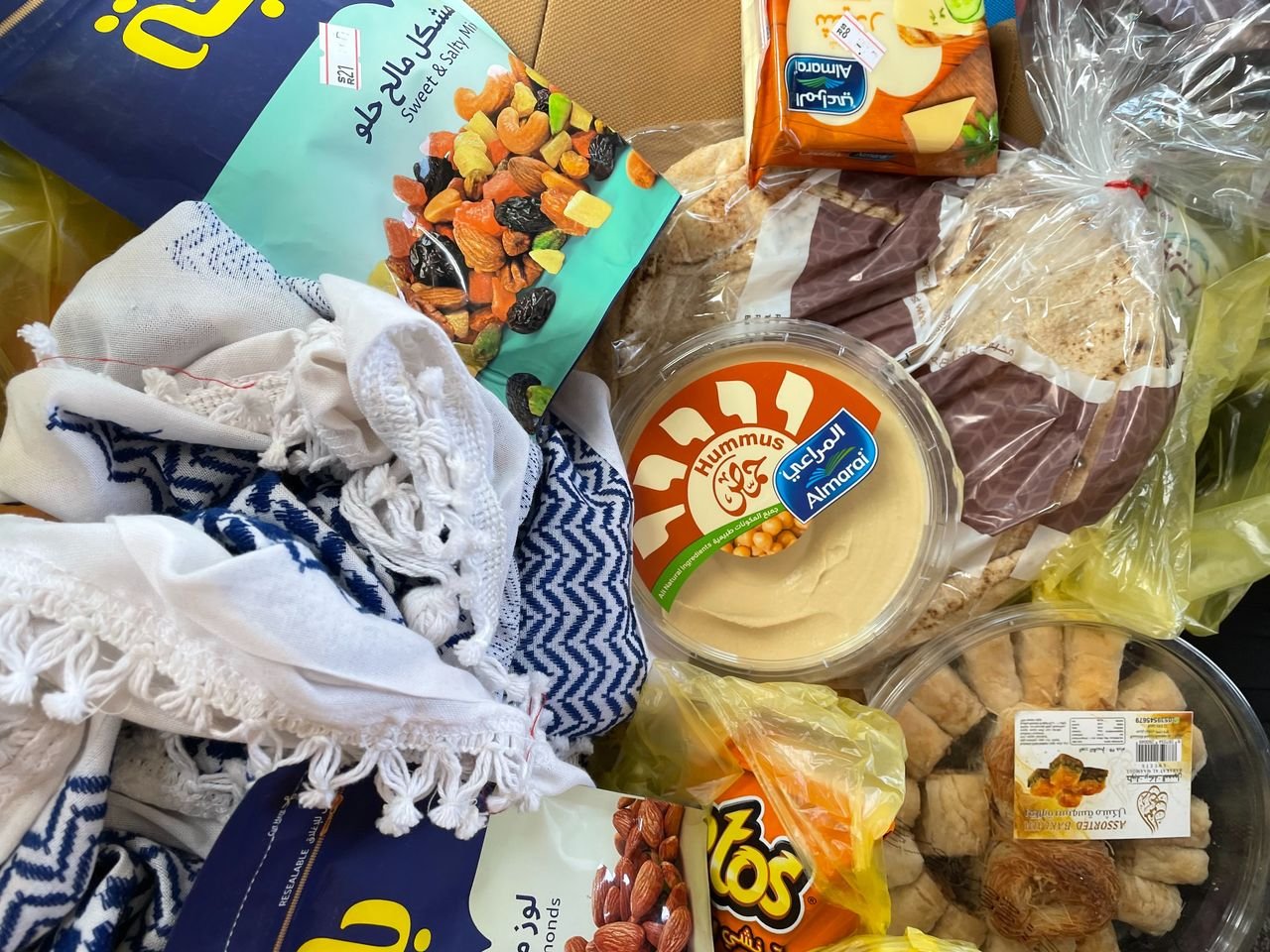
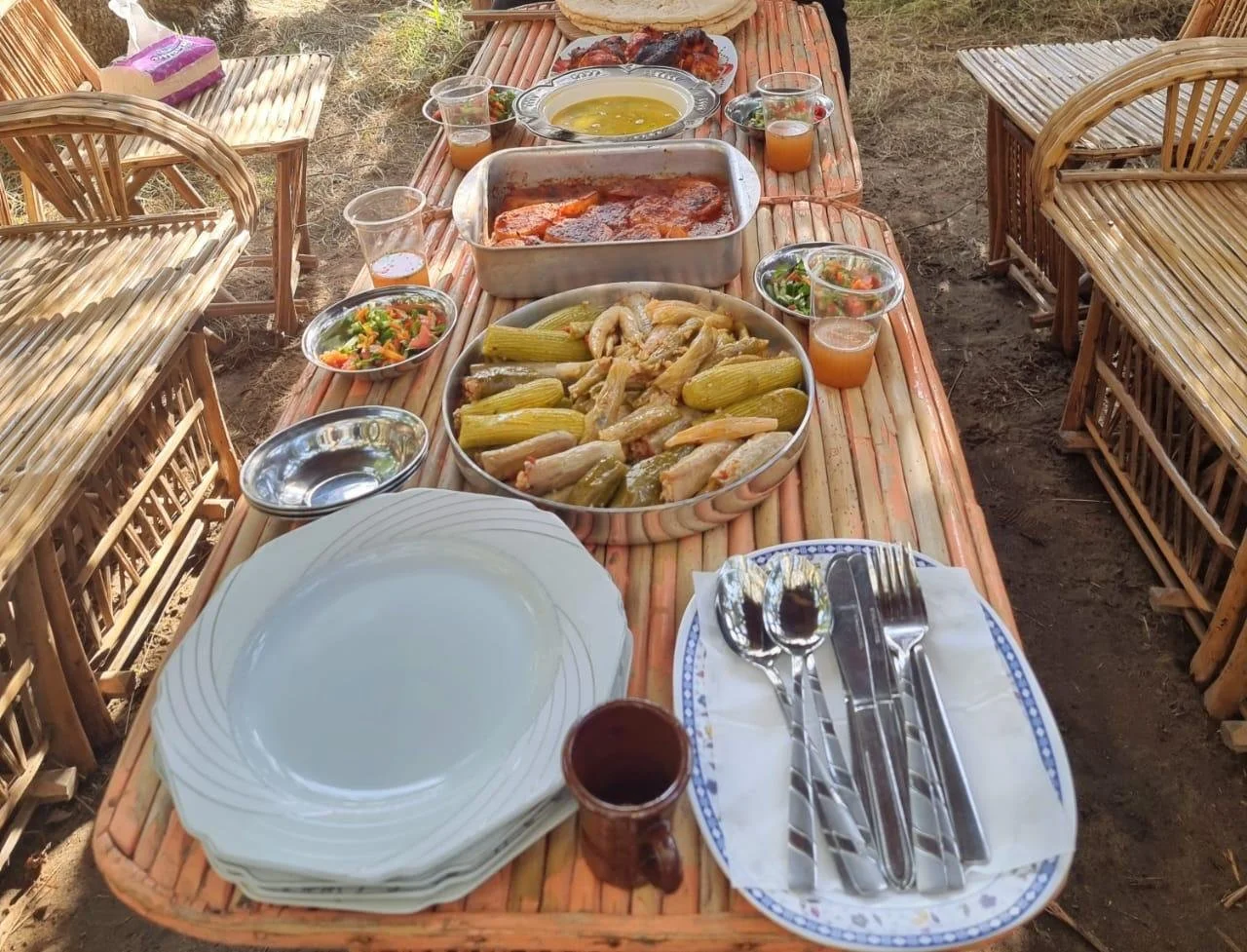
Food in Saudi Arabia isn’t rushed. It’s shared, offered generously, and shaped by geography — from desert interiors to Red Sea coasts. Meals are rarely plated individually. Instead, dishes arrive in the center of the table, meant to be passed, tasted, discussed, and lingered over long after the plates are cleared.
As you move through cities like Riyadh, AlUla, and Jeddah, food becomes one of the most intimate ways to understand daily life — how families gather, how traditions endure, and how modern Saudi culture is quietly evolving.
Gathered Around the Dish: Food and Everyday Life in Saudi Arabia
On our Traverse journey, some of the most memorable moments don’t happen at monuments or museums. They happen around low tables, in home-style restaurants, or in quiet courtyards where a host pours gahwa with both hands and insists you take more rice.
Here are ten Saudi foods that reveal the country from the inside out.
1. Kabsa
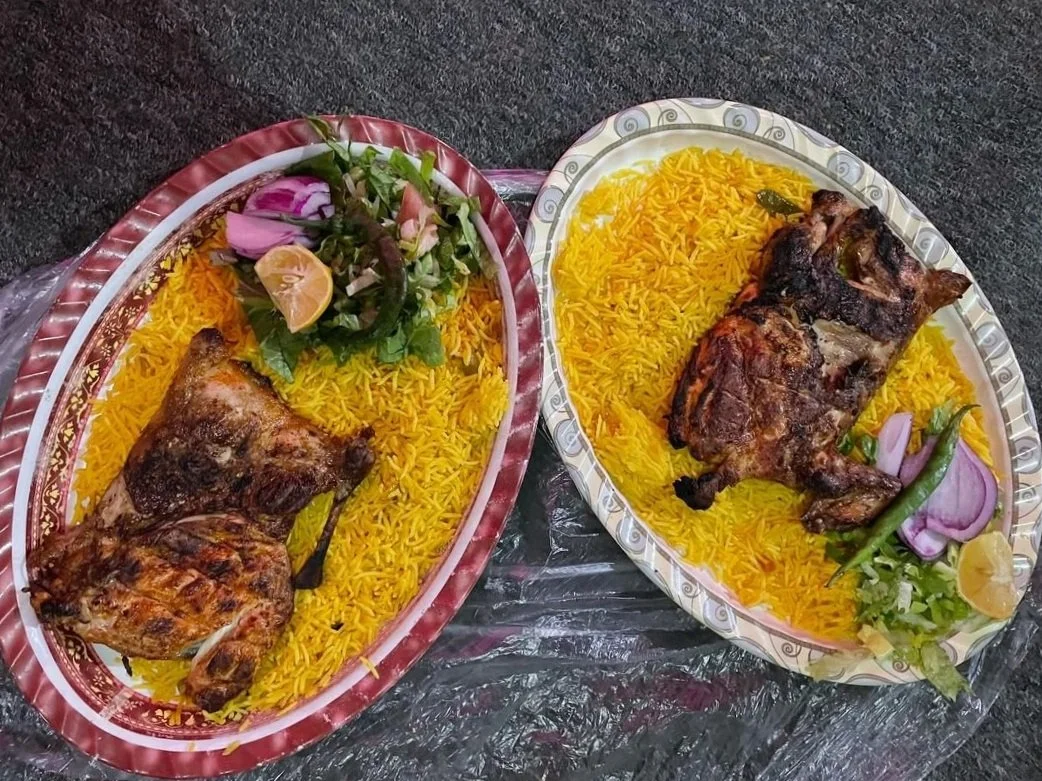
Kabsa is more than a meal; it’s a social ritual. Long-grain rice is simmered with tomatoes, cardamom, cloves, black lime, and slow-braised chicken or lamb until the kitchen fills with a warm, spiced aroma. The dish is served on a single large platter, placed at the center of the table.
Why Kabsa Matters
Traditionally eaten during family gatherings, weddings, and religious holidays, kabsa symbolizes generosity and communal hospitality. Everyone eats from the same dish — a quiet reminder that food here is meant to connect people, not separate them.
2. Jareesh
Jareesh is made from crushed wheat cooked slowly with yogurt or broth until it becomes thick, creamy, and deeply nourishing. Its texture is closer to porridge than rice, and it’s often finished with buttered onions or spiced meat.
This dish comes from the Najd region (central Saudi Arabia) and dates back centuries to nomadic traditions, when grains and dairy were reliable staples for long journeys. Locals associate jareesh with care, healing, and continuity— the kind that locals associate with nourishment and care.
3. Saleeg
Saleeg is a rich, risotto-like rice dish cooked with milk or broth and served with tender chicken. The rice absorbs the liquid slowly, becoming soft, fragrant, and subtly savory.
This dish comes from western Saudi Arabia, especially around Taif and Mecca, where dairy and poultry farming shaped the local cuisine. Saleeg is often served to guests as a sign of welcome — comforting, filling, and quietly celebratory. Its pale color and gentle flavor profile mirror the region’s softer culinary style compared to the spiced dishes of central Saudi Arabia.
4. Mutabbaq
Crisp on the outside and soft inside, mutabbaq is a folded flatbread filled with spiced meat, eggs, vegetables, or banana and sugar for a sweet version. It’s cooked on hot griddles and served fresh, often eaten standing in night markets. In Jeddah, mutabbaq reflects the city’s layered history — influenced by Yemeni, Hijazi, and South Asian food traditions brought through centuries of Red Sea trade and migration.
Experiential moment:
In Al-Balad, steam rose from a row of iron griddles as a vendor folded dough with lightning speed. Locals lined up casually, greeting him by name, while tourists hovered nearby, drawn in by the scent.
5. Dates & Gahwa
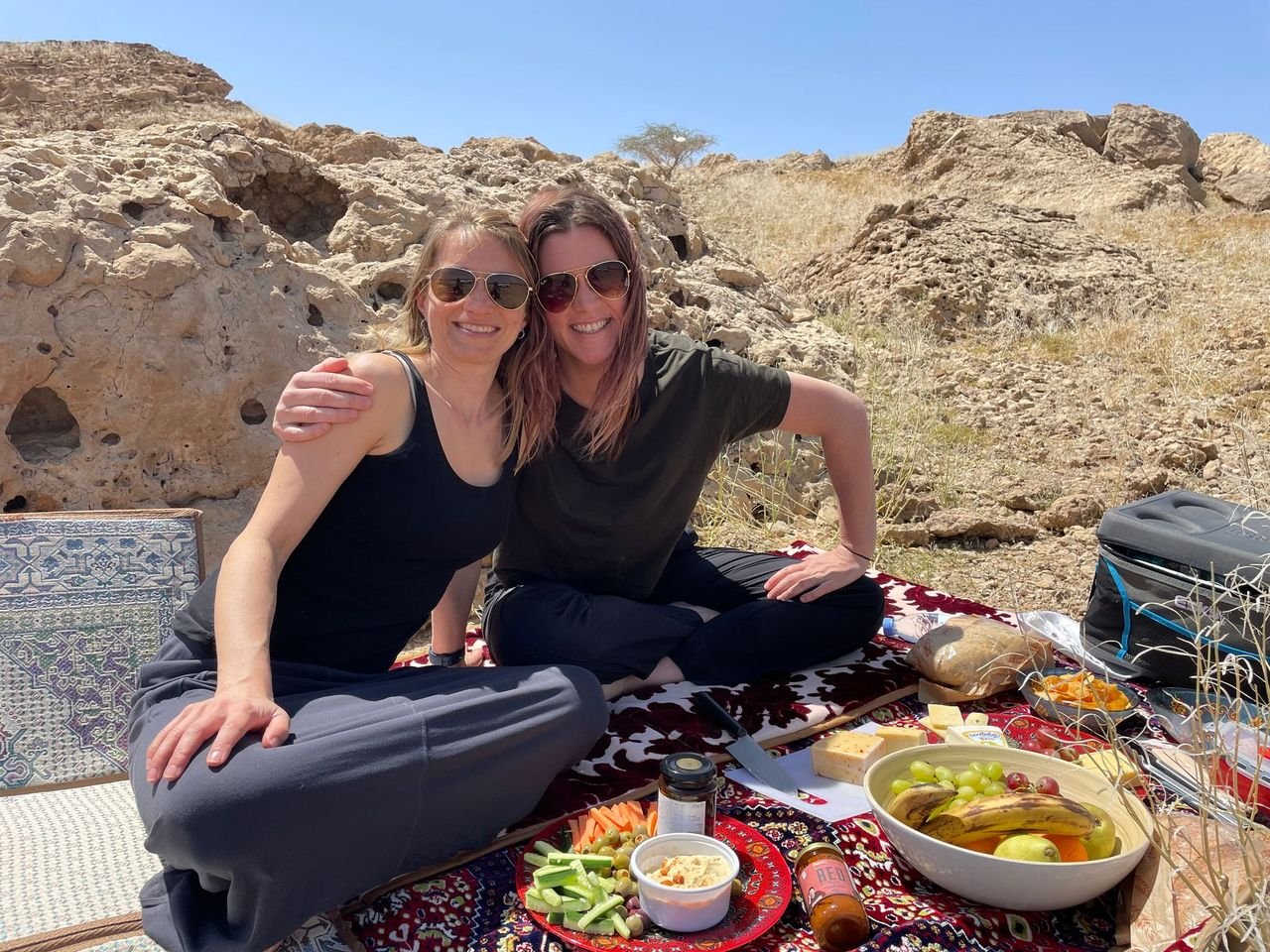
Before any meal begins, guests are often offered dates and lightly spiced Arabic coffee (gahwa). The coffee is poured into small cups, never filled more than halfway, and continuously refilled as long as the guest remains seated as a sign of hospitality.
Where the Welcome Begins
A Language of Hospitality
This ritual signals respect, generosity, and honor. Dates — historically life-sustaining in the desert — symbolize abundance. Gahwa is flavored with cardamom, sometimes saffron or cloves, using recipes passed down through generations.
This ritual is one of the most meaningful cultural experiences travelers encounter.
6. Samboosa
These golden, triangular pastries are filled with meat, cheese, or vegetables and fried until crisp. During Ramadan, samboosas appear at nearly every iftar table.
Families often prepare them together, and bakeries sell them fresh in the evenings — turning them into a shared symbol of breaking the fast and celebrating community. They’re light, comforting, and endlessly snackable — but their emotional weight far exceeds their size.
7. Mandi
Mandi is cooked in an underground pit, allowing meat to become impossibly tender while absorbing a smoky depth. The rice below captures all the flavor as juices drip down during cooking. This method comes from Bedouin life, originally developed for travelers and desert gatherings. It reflects ingenuity, hospitality, and reverence for slow, communal cooking.
8. Ful Medames
Ful medames is a bowl of slow-simmered fava beans topped with olive oil, lemon, garlic, and cumin. It’s warm, creamy, and deeply grounding. Eaten across Saudi Arabia, especially in Jeddah, ful is tied to everyday life. It’s what people eat before work, school, or long mornings, reflecting how nourishment is woven quietly into daily routine.
9. Hasawi Rice Dishes
Hasawi rice is a reddish-brown grain grown in the Al-Ahsa oasis, one of Saudi Arabia’s oldest agricultural regions. Nutty and aromatic, it’s often served with lamb or fish. This rice represents regional pride and the possibility of abundance in a desert environment. Meals featuring Hasawi rice connect diners directly to oasis farming traditions and trade routes that once linked Saudi Arabia to the wider world.
10. Luqaimat — Sweet Bites to Close the Meal
These small fried dough balls are crisp on the outside, soft inside, and drizzled with date syrup or honey. They’re sprinkled with sesame seeds and served warm.Luqaimat appear during festivals, Ramadan, and celebrations — a shared way to close a meal. Their sweetness isn’t extravagant; it’s comforting and familiar, mirroring the understated hospitality of Saudi culture itself.
Why Food Is Central to the Saudi Journey
Eating in Saudi Arabia isn’t about chasing trends. It’s about sitting longer than planned, accepting second helpings, and letting meals become moments of connection. Food becomes a language — one that speaks hospitality, history, and belonging.
The flavors of Saudi Arabia don’t announce themselves loudly. They unfold — slowly, generously, and in good company. To eat well here is not just to taste something new, but to be welcomed into a culture that still believes food is meant to be shared.
Many of the foods above are part of how we experience Saudi Arabia on our small-group journey — through guided cultural meals, local restaurants, and moments of shared hospitality. If you’re curious about exploring Saudi Arabia through its landscapes, people, and cuisine, you can explore our Saudi Arabia Itinerary Add On!
more food blogs for you





Discover why Southwest France captivates with medieval history, rich cuisine, world‑class landscapes, and slow culture — perfect for a transformative journey.