

Written By: Sophie Echeverry
Japan’s food culture is deeply tied to its geography, history, and the seasons. While sushi and ramen might be the first things that come to mind, Japanese cuisine is incredibly diverse, hyper-local, and rooted in centuries-old traditions. From homestyle cooking to lively izakayas to refined Buddhist monk cuisine, food in Japan reflects not just taste, but values: balance, respect for nature, and care in preparation.
While we can’t take you through every flavor Japan has to offer in a single blog, we can give you a meaningful foundation for understanding Japan’s culinary landscape — and how travelers can experience it thoughtfully and respectfully.
Japan’s Seasonal & Local Approach to Food
Japanese cuisine is deeply rooted in seasonality and locality, with dishes evolving throughout the year to highlight the freshest ingredients available. This emphasis on balance, both nutritional and spiritual, shows up everywhere, from casual home-cooked meals to the country’s most refined dining experiences.
Whether you’re enjoying breakfast at a traditional ryokan or indulging in a multi-course kaiseki meal, ingredients are selected with intention. What’s in season matters. Where it comes from matters. Even how it’s presented reflects the time of year.
This seasonal awareness is one of the most powerful ways travelers connect with Japan — not as spectators, but as participants in a living cultural rhythm.
Homestyle Japanese Cooking: Obansai
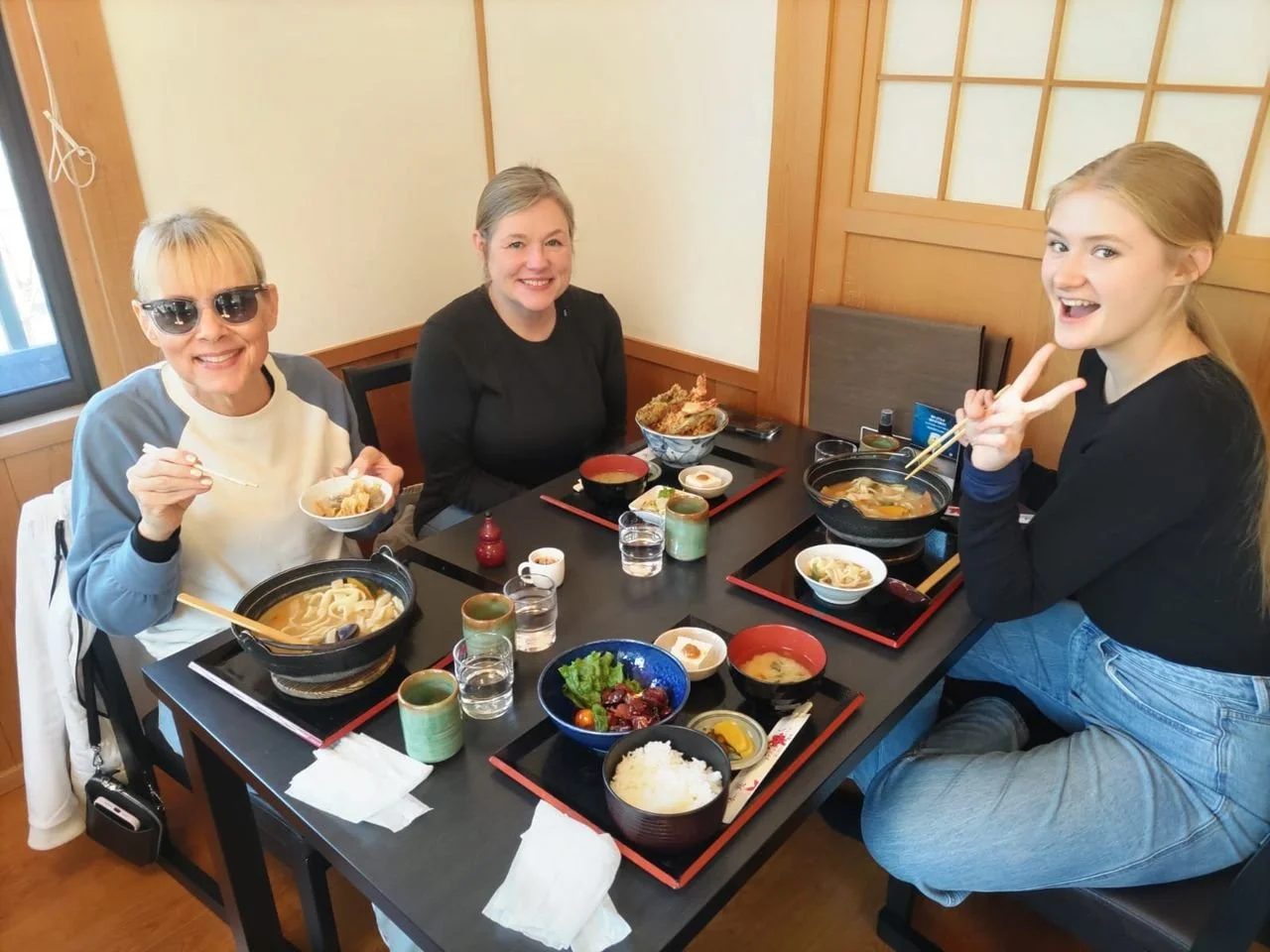
One of the most traditional expressions of Japan’s seasonal and local food philosophy is obansai, a style of home cooking that originated in Kyoto. Obansai features small, simple dishes made with locally sourced ingredients, emphasizing minimal waste and deep respect for natural flavors.
Common ingredients include pickled vegetables, tofu, mushrooms, root vegetables, seafood, and miso-based preparations — staples that shift subtly with the seasons. Rather than showcasing extravagance, obansai celebrates nourishment, balance, and restraint.
Obansai isn’t tied to a specific meal. It may appear at breakfast, lunch, or dinner, and is often experienced as part of a traditional Japanese breakfast at ryokans. Meals are designed to energize without excess — grounding travelers before a day of exploration.
Japanese Haute Cuisine: Kaiseki
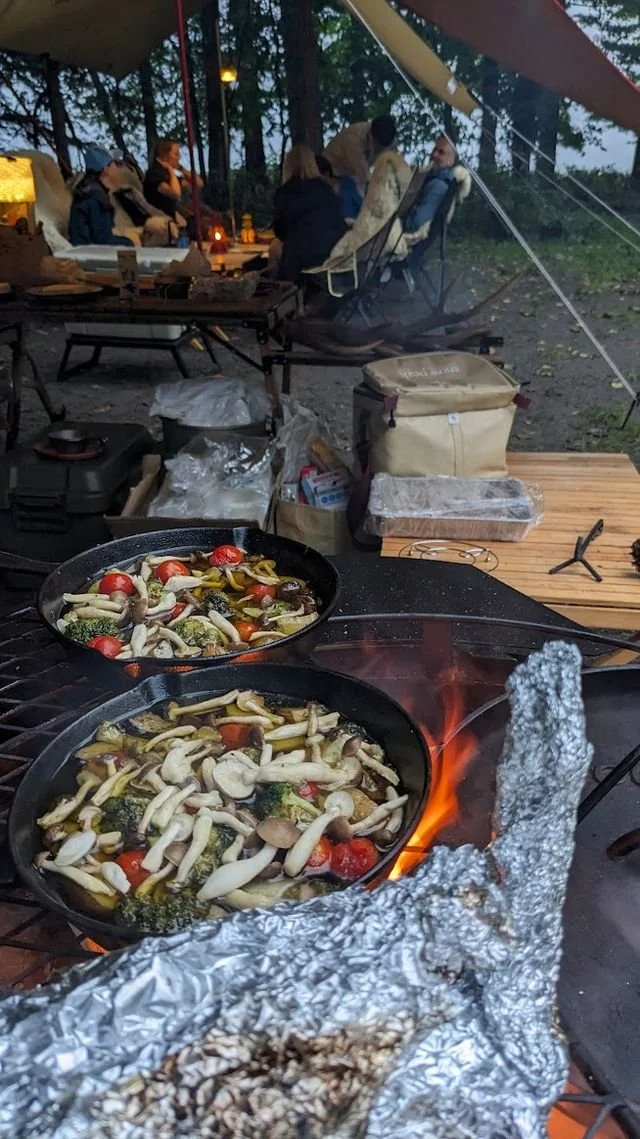
If obansai represents the heart of Japanese home cooking, kaiseki reflects the artistry of Japan’s culinary tradition. Rooted in Zen philosophy and the tea ceremony, kaiseki is a multi-course meal designed to engage all five senses while honoring nature, time, and place.
Each course unfolds slowly and intentionally — from delicate broths to precisely plated vegetables and seasonal seafood. Presentation is just as important as flavor, often echoing the landscape or season outside.
While obansai offers warmth and familiarity, kaiseki invites presence and reflection. It’s less about indulgence and more about attention — a meal that feels as nourishing to the spirit as it is to the body.
Dining in Japan: Reservations & Dietary Considerations
Reservations
Despite Japan’s overwhelming number of restaurants, reservations are often necessary. Many establishments are small, family-run, and prioritize quality over volume. Japan’s strong mindfulness around food waste also means restaurants plan carefully for their guests. Spontaneity is possible — but planning ahead is often rewarded with more meaningful dining experiences.
Dietary Restrictions
Japan can be challenging for travelers with dietary restrictions, particularly those with strict gluten-free or Celiac needs. Soy sauce, which contains wheat, is used widely, and cross-contamination is common.
Vegan and vegetarian travelers may also face challenges. Dashi — a broth made from dried bonito flakes — is a foundational ingredient used to flavor everything from soups to vegetables and rice.
Language barriers and cultural norms can also make communicating dietary needs difficult. Learning a few key phrases and researching restaurants in advance can make a significant difference.
Regional Specialties & Must-Try Dishes in Japan
Japan’s culinary identity is deeply regional, shaped by climate, geography, and local traditions. Exploring food by region offers one of the most immersive ways to understand the country.
Kyoto: Matcha & Shojin Cuisine
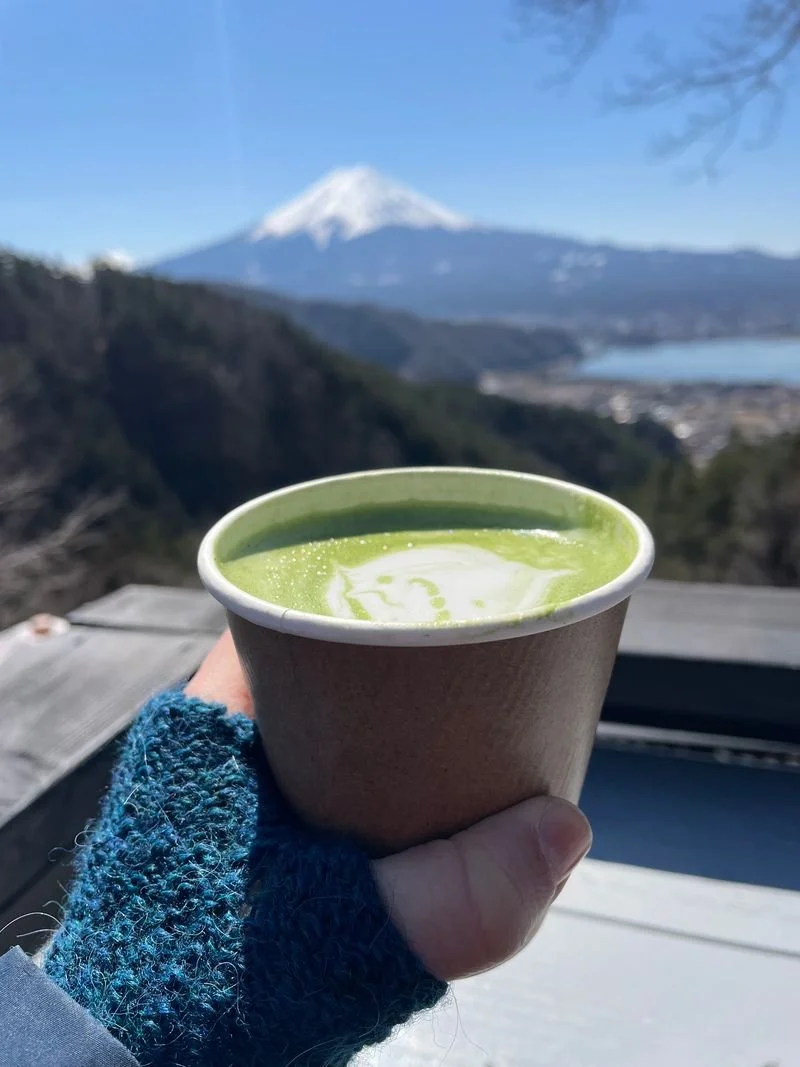
Kyoto is the heart of Japan’s tea culture, and the nearby Uji region produces some of the finest matcha in the country. Matcha appears not only in tea ceremonies, but in desserts, sweets, and everyday confections throughout the city.
Kyoto is also known for shojin ryori, a plant-based Buddhist cuisine focused on simplicity, mindfulness, and seasonal vegetables. A highlight is yuba, or tofu skin, enjoyed fresh or dried in soups.
Tokyo: Soba Noodle Capital
Tokyo is a paradise for soba lovers. These thin buckwheat noodles are served hot or chilled, depending on the season, and vary subtly in texture and flavor from shop to shop.
Historic neighborhoods like Asakusa and Shinjuku are home to long-standing soba restaurants that have upheld traditions for generations. Eating soba in Tokyo is less about novelty and more about appreciating craftsmanship and restraint.
Osaka: Street Food & Takoyaki Central
Osaka is famously known as Japan’s “Kitchen”, a city where food is bold, playful, and deeply communal. Its street food culture is legendary, with takoyaki (octopus balls) and okonomiyaki (savory pancakes) leading the way.
For the full experience, wander Dotonbori, where neon signs, sizzling grills, and late-night crowds create one of Japan’s most energetic food scenes
Ready to explore Japan’s food culture for yourself?
Izakayas: Japan’s Pub Culture
To experience Japan like a local, visit an izakaya — a casual pub serving small plates meant to be shared over drinks. Izakayas are lively, social spaces where food is secondary to connection. Typical orders include yakitori (grilled skewers), karaage (fried chicken), sashimi, and seasonal specialties, paired with sake or highballs.
Unexpected Culinary Surprises: 7-11 & Konbini Culture
Japan’s convenience stores, known as konbini, are a revelation. Far from typical gas-station snacks, places like 7-11 offer high-quality, affordable meals prepared daily. Favorites include onigiri, fresh egg salad sandwiches, bento boxes, and seasonal sweets.
A Final Thought on Eating in Japan
Japanese food is not just about flavor — it’s about rhythm, restraint, and respect. Meals mirror the seasons, honor craftsmanship, and create moments of connection, whether shared at a bustling izakaya or eaten quietly at a ryokan breakfast table.
For travelers willing to slow down, plan ahead, and eat with curiosity, Japan’s food culture becomes a gateway to understanding the country itself.