Written By: Michelle Fajkus & Sophie Echeverry
The Mayan calendar is one of the most fascinating legacies of Mesoamerican civilization. More than just a system for tracking days, it reflects the Mayans’ deep understanding of astronomy, agriculture, and human experience. Traveling to Guatemala, the heartland of the ancient and living Maya, offers a unique chance to see this culture come alive, from archaeological sites to local traditions that have endured for centuries.
(Internal link suggestion: Link “traveling to Guatemala” to your Guatemala itinerary page.)
What is the Sacred Mayan Calendar?
The sacred Mayan calendar is known as the Cholqi’j, a:260-day ritual calendar that governed religious ceremonies and spiritual life. Every day in the Gregorian calendar corresponds to a Mayan day sign and number. The sign and number of your birth define your nawal, a guardian energy or spirit that guides you throughout your life. By understanding our energies, we grow as individuals and as members of our communities.
The Mayans have multiple other calendars, including the Haab’, a 365-day solar calendar similar to the modern year, used for agriculture and civil planning, and he Long Count, a linear timeline counting baktuns, which are periods of 52,000 years. The most recent baktun ended on December 21, 2012 — and the next one began the following day!
Each cycle reflects a deep connection to the natural world. The calendar is about both measuring time and understanding cycles of life, growth, and the universe itself.
Experiencing the Sacred Mayan Calendar in Guatemala
Guatemala is home to numerous iconic Mayan sites, where the calendar’s influence is visible in architecture, inscriptions, and sacred landscapes. Visiting these sites is a journey through time.
Top Mayan Sites to Visit in Guatemala
Guatemala offers travelers a rare opportunity to experience Mayan culture both in daily life and at ancient sites. On our itinerary, you’ll explore communities, markets, and rituals that bring the calendar and Mayan traditions to life.
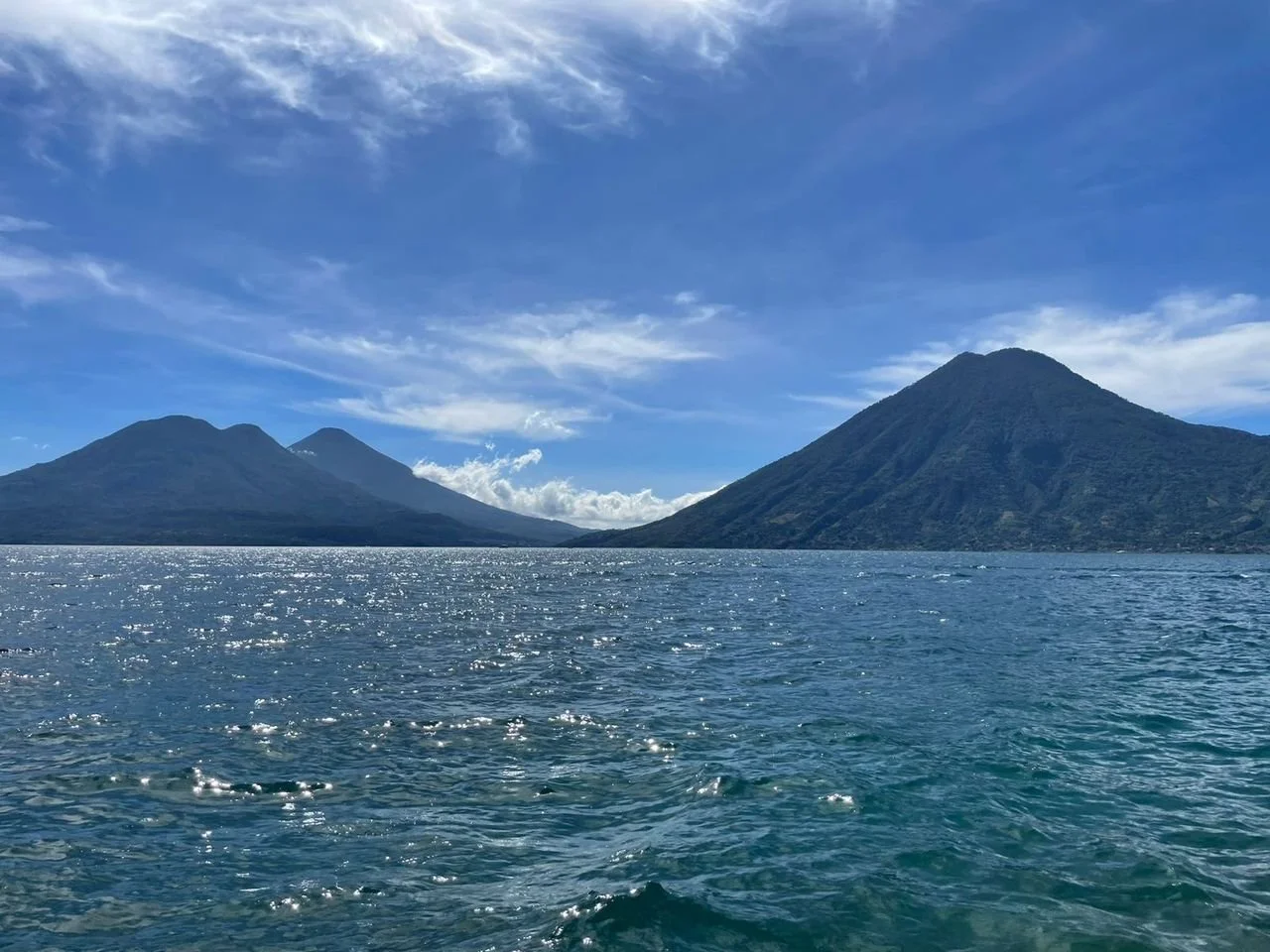
Santiago Atitlán & Lake Atitlán Villages
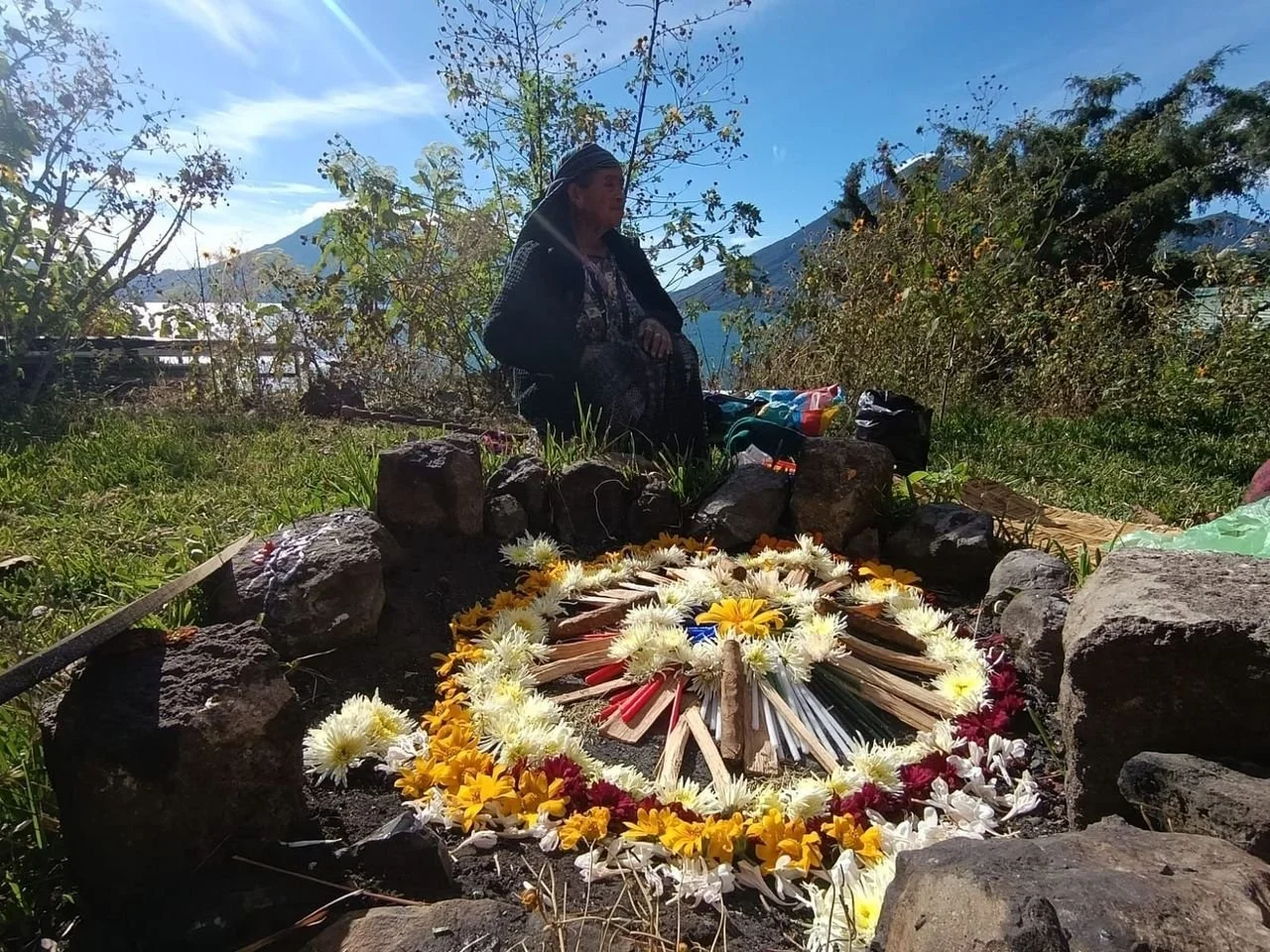
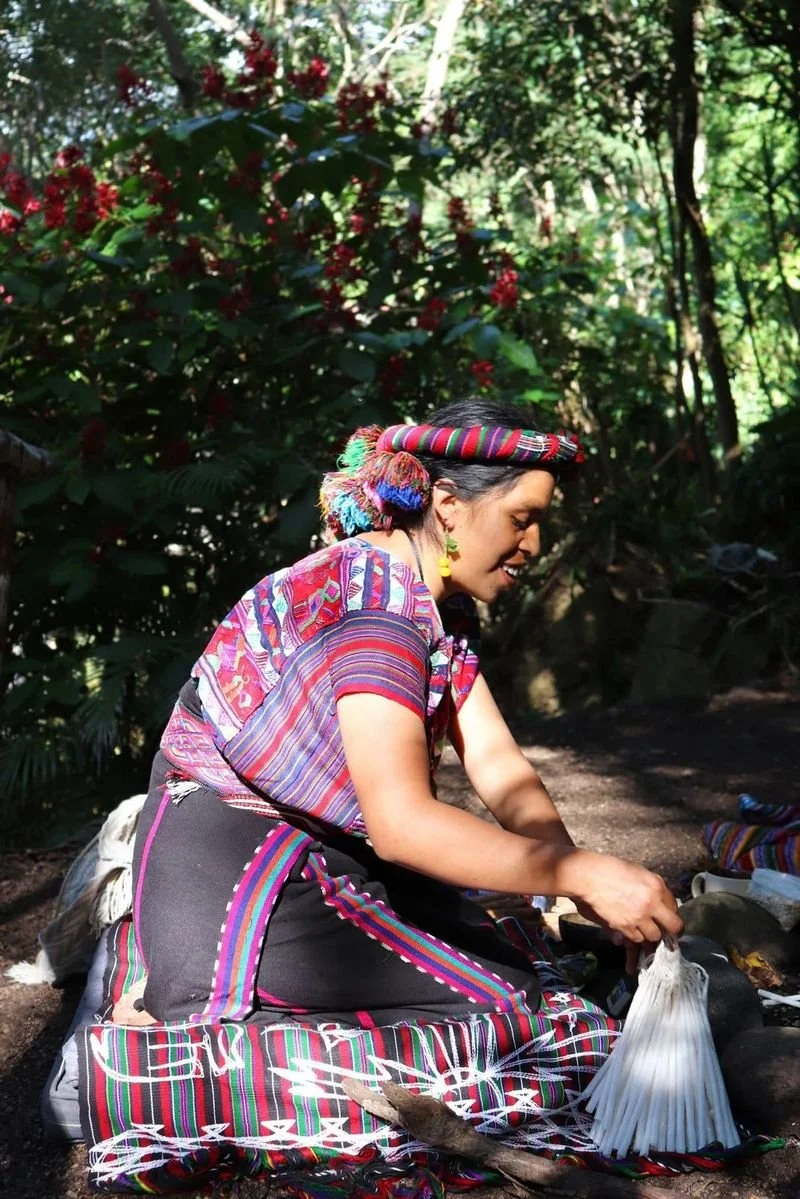
Visit indigenous Tz’utujil and Kaqchikel communities around Lake Atitlán. Here, local guides demonstrate how the Cholq’ij calendar informs agricultural cycles, ceremonial days, and festivals. Walking through the villages, you’ll see how Mayan heritage is woven into daily life.
Chichicastenango Market
One of Central America’s most vibrant markets, Chichicastenango is also a ceremonial hub. Traditional Mayan fire ceremonies are often performed here in front of the Catholic church, connecting spiritual life with the rhythms of the calendar. Travelers can browse local textiles, crafts, and foods while observing how ceremonial dates guide community life.
Museums & Cultural Centers
In Guatemala City and Antigua, museums like the Museo Popol Vuh and Casa Santo Domingo house Mayan artifacts and inscriptions. These collections reveal how the Long Count calendar was used to record historical events, blending astronomy, ritual, and civic life.
Tikal National Park
For travelers wishing to explore further, Guatemala is home to Tikal, an iconic Mayan city. Its pyramids, plazas, and astronomical alignments demonstrate how the calendar shaped architecture, rituals, and urban planning.
Quiriguá
Another impressive site for extended exploration, Quiriguá features massive stelae carved with dates in the Long Count, offering insight into how the Maya recorded history and honored cycles of time. Its artistic and astronomical significance complements the experiences travelers gain while travelling through Guatemala.
These experiences are a reminder that the Mayan calendar is a way of life even to this day, guiding spiritual practices, planting cycles, and community celebrations.
How the Mayan Calendar Connects to Modern Travelers
At Traverse Journeys, we believe travel should be immersive, reflective, and transformational. Exploring Guatemala’s Mayan heritage allows travelers to:
Feel the rhythm of the land: Learn how agricultural cycles and celestial observations shape everyday life.
Engage with local communities: Experience ceremonies and markets where the calendar continues to inform social and spiritual life.
Reflect on time and connection: The calendar encourages contemplation of cycles, continuity, and our place in the universe — a perspective that resonates deeply when traveling mindfully.
Why the Mayan Calendar Matters Today
Understanding the sacred Mayan calendar is more than an academic exercise. It’s an invitation to experience time differently, to notice natural cycles, and to appreciate the wisdom of a culture that lives in harmony with the stars, the sun and moon, and the elements of earth, wind, fire and water.
For travelers, it’s a chance to slow down, engage, and discover how ancient knowledge can still inspire meaningful travel today.
Visiting Guatemala in a Purposeful Way
Our Guatemala itinerary is designed to bring these ancient cycles to life. Guests meet local guides deeply rooted in Mayan traditions, and participate in cultural experiences that honor heritage and sustainability. Every step is curated to connect travelers to both the past and, most importantly, to the present moment.