Saudi Arabia

Top 5 Experiences in Saudi Arabia

Written By: Sophie Echeverry

Saudi Arabia is not a destination you simply “see.” It’s one you feel, through silence in the desert, shared coffee in family homes, ancient stone cities carved into cliffs, and modern cities reshaping themselves in real time.

For travelers drawn to culture, history, and meaningful first-time experiences, Saudi Arabia offers something rare: a place that still feels largely undiscovered, yet deeply rooted in tradition.

Here are five of the most powerful experiences that define what travel in Saudi Arabia feels like right now, and why it’s becoming one of the most compelling destinations in the world.


1. Explore the Ancient Nabataean City of Hegra (AlUla)

Hegra (also known as Madain صالح) is Saudi Arabia’s first UNESCO World Heritage Site — and one of the most awe-inspiring archaeological landscapes in the Middle East.

Carved into rose-colored sandstone cliffs more than 2,000 years ago, its monumental tombs rival Petra in scale, yet remain far quieter and more contemplative. Walking through Hegra feels intimate and reverent. There are no crowds, no souvenir stalls, no noise — just wind, stone, and stories etched into the rock. Guided visits offer insight into Nabataean engineering, burial rituals, and trade routes that once connected Arabia to the Mediterranean world.

Why it matters:
This isn’t a highlight reel stop. It’s a moment of historical immersion that reshapes how travelers understand Arabia’s ancient role in global civilization.


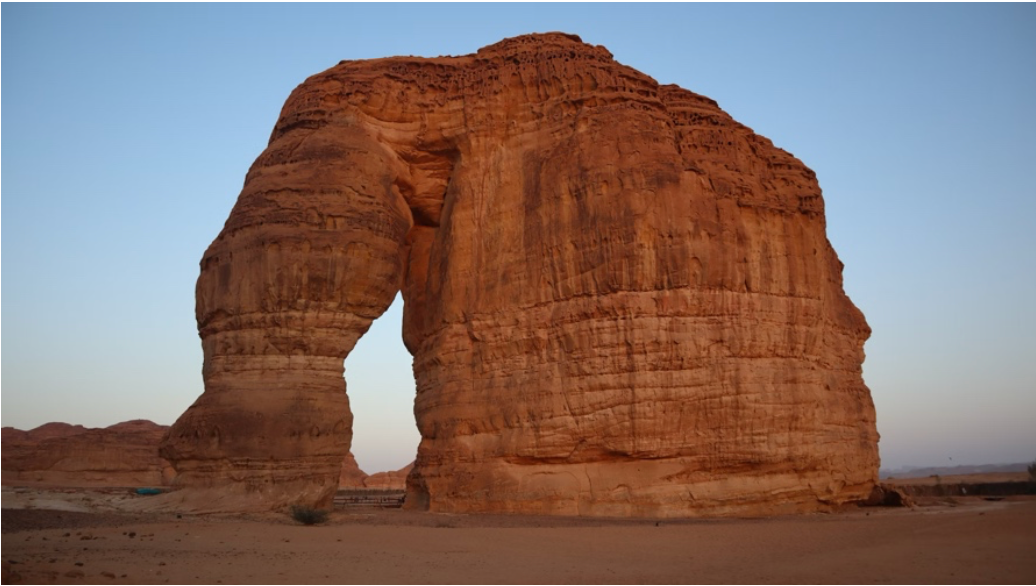
2. Wander AlUla’s Desert Landscapes & Elephant Rock at Sunset

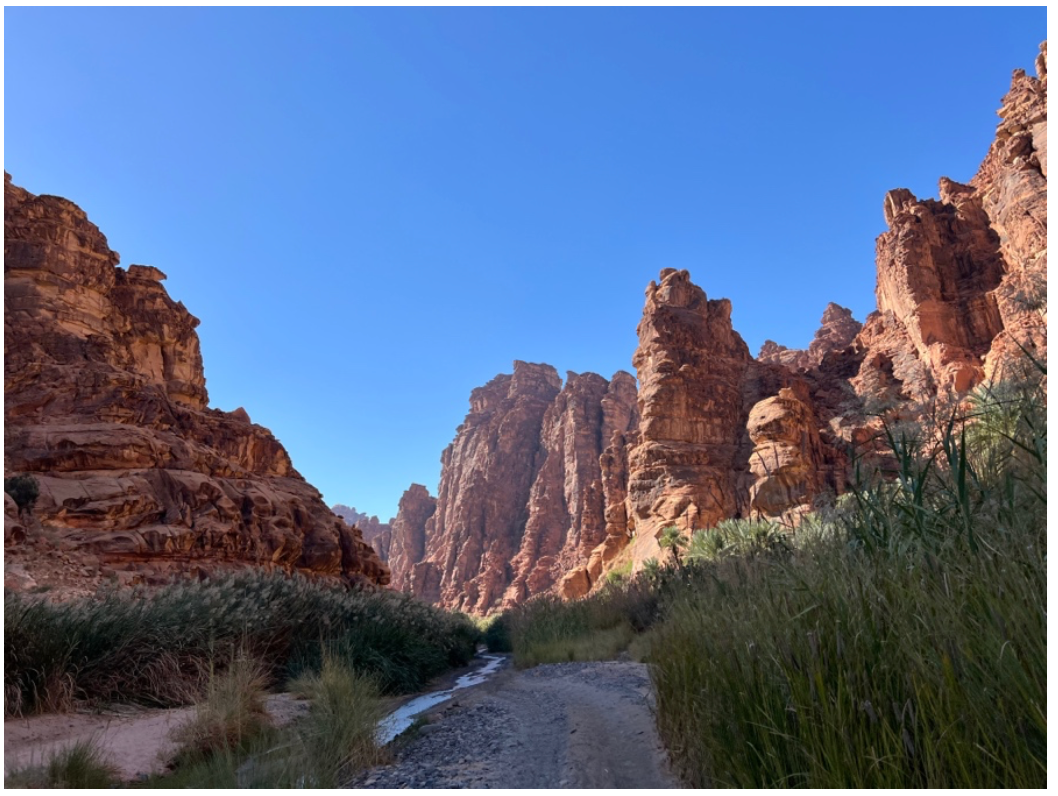
Beyond its archaeology, AlUla is a living desert sculpture garden.

Towering sandstone formations, vast canyons, and isolated rock monoliths shape a landscape that feels cinematic — and deeply quiet.

Where the Desert Tells Its Stories

Elephant Rock (Jabal AlFil) is one of the region’s most iconic formations. Watching the sun drop behind it, painting the desert in gold and rose tones, is a grounding, almost spiritual experience.

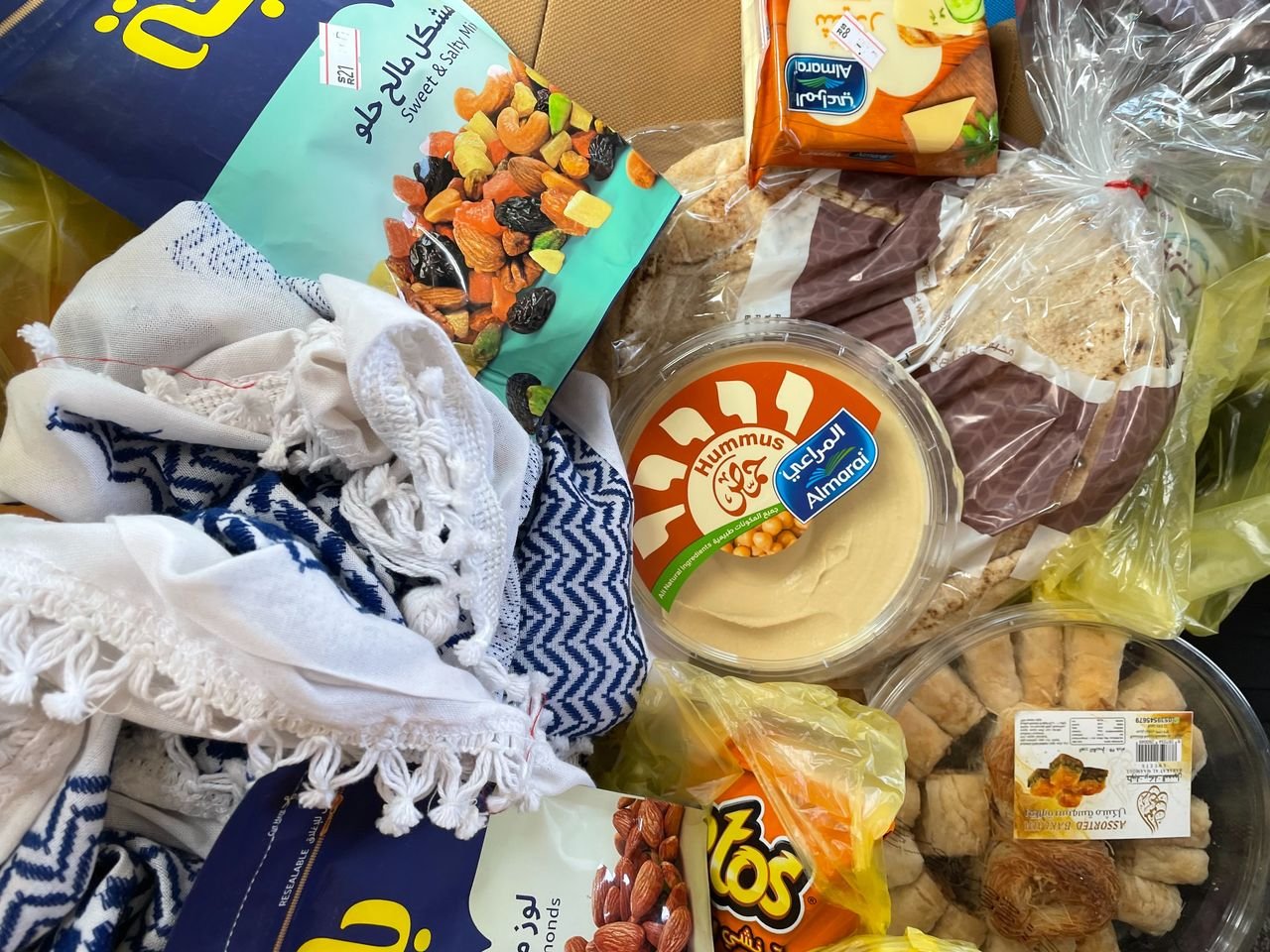
Evenings here are often spent under the stars, sipping gahwa (Saudi coffee) and dates, listening to stories from local guides whose families have lived in the region for generations.

Why it matters:
This is slow travel at its best — rooted in place, stillness, and natural wonder.

3. Walk Through Old Jeddah (Al-Balad) & Red Sea Culture

Jeddah’s historic district, Al-Balad, is a UNESCO-listed maze of coral-stone houses, carved wooden balconies (rawashin), spice shops, and hidden courtyards.

It’s one of the best places in the country to experience everyday life — children playing soccer in narrow lanes, elders gathering for evening tea, shopkeepers calling out greetings.

Along the nearby Red Sea corniche, modern cafés and art spaces coexist with fishing boats and seaside mosques, reflecting the city’s centuries-old role as a gateway for pilgrims, traders, and travelers.

Why it matters:
This is where Saudi Arabia’s openness feels most visible — layered, human, and alive.

4. Experience Desert Life in the Empty Quarter (Rub’ al Khali)

The Empty Quarter is the largest continuous sand desert on Earth — and one of the most humbling places a traveler can stand.

Golden dunes stretch endlessly. Silence feels physical.
Even short desert stays shift your sense of time and scale.

Many experiences include:

  • 4x4 dune crossings

  • Sunset walks along high dune ridges

  • Traditional Bedouin-style dinners

  • Stargazing far from light pollution

Sharing a simple meal around a fire, listening to stories of desert survival and hospitality, offers a rare glimpse into Arabia’s nomadic roots.

Why it matters:
This is not an “activity.” It’s a perspective shift — one that leaves travelers quieter, calmer, and deeply grounded.

External link suggestion:

  • Saudi Tourism Authority page on Rub’ al Khali

  • BBC Travel feature on the Empty Quarter

5. Share Saudi Hospitality in Homes, Markets & Cafés

One of the most meaningful experiences in Saudi Arabia isn’t found on any map.

It happens in:

Hospitality as a Way of Life
  • Family homes

  • Local cafés

  • Art studios

  • Date markets

  • Small-town shops

Guests are often welcomed with gahwa, fresh dates, and genuine curiosity. Conversations unfold slowly. Stories are shared generously.

For women travelers especially, this human warmth often becomes the most surprising and memorable part of the journey.

Why it matters:
This is where travel becomes relational — not performative. It’s the heart of Saudi Arabia’s cultural richness.

External link suggestion:

  • Cultural Atlas on Saudi hospitality

  • Saudi Ministry of Tourism cultural etiquette page

Why These Experiences Matter Right Now

Saudi Arabia is opening deliberately — not chaotically.

What makes these experiences powerful today is not just what you see, but how you experience them:

  • Fewer crowds

  • Deep cultural access

  • High personal safety

  • Respectful pacing

  • Strong sustainability focus

This is a destination best explored slowly, thoughtfully, and with guides who prioritize context over checklists.

Final Reflection

Saudi Arabia isn’t a place you rush through. It’s a place that unfolds — slowly, quietly, and meaningfully. These five experiences offer a window into a country in transition, one that’s sharing its landscapes, stories, and traditions on its own terms. For travelers seeking cultural depth, safety, and something genuinely new, Saudi Arabia may just be one of the most powerful journeys you’ll ever take.

Our Saudi Arabia itinerary Add On weaves together heritage sites, desert landscapes, historic cities, and intimate cultural moments — all guided by local experts who bring the country’s story to life.

Check out our Jordan and Egypt itineraries, which have a 5-day Saudi add-on that you can join or inquire about a custom trip!

Tourism in Saudi Arabia: What Travelers Should Know

Written By: Sophie Echeverry

Not long ago, Saudi Arabia was a place most travelers only encountered through headlines, business trips, or religious pilgrimage. Today, it’s opening quietly, deliberately, and on its own terms — inviting visitors to experience landscapes, heritage, and daily life that have remained largely unseen by the outside world.

But this isn’t mass tourism. And it isn’t a glossy, resort-style reinvention.

Tourism in Saudi Arabia is evolving in a way that feels distinctly intentional. Shaped by national reforms, cultural values, and a desire to share the country’s story without losing its integrity.

For travelers curious about going now, here’s what’s actually changing — and what it means for you.

A Country Opening on Its Own Terms

In 2019, Saudi Arabia introduced its first tourist visas for international visitors — a quiet but historic shift. Since then, the country has been steadily building tourism infrastructure while keeping visitor numbers relatively low compared to global hotspots.

This means travelers today experience:

  • Fewer crowds

  • A slower, more personal rhythm of travel

  • Genuine curiosity from locals rather than over-tourism fatigue

At the same time, Saudi Arabia has chosen to spotlight heritage over hype.

You’ll now find:

Rather than presenting a single, polished narrative, the country is sharing its regional diversity — from the desert cultures of AlUla to the Red Sea rhythms of Jeddah.

What It’s Actually Like to Travel There Now

For most travelers, the reality on the ground feels far more normal, and far more welcoming, than expected.

Here’s what visitors consistently notice:

  • Hospitality: Guests are treated with genuine warmth. Being offered coffee (gahwa), dates, and conversation is common.

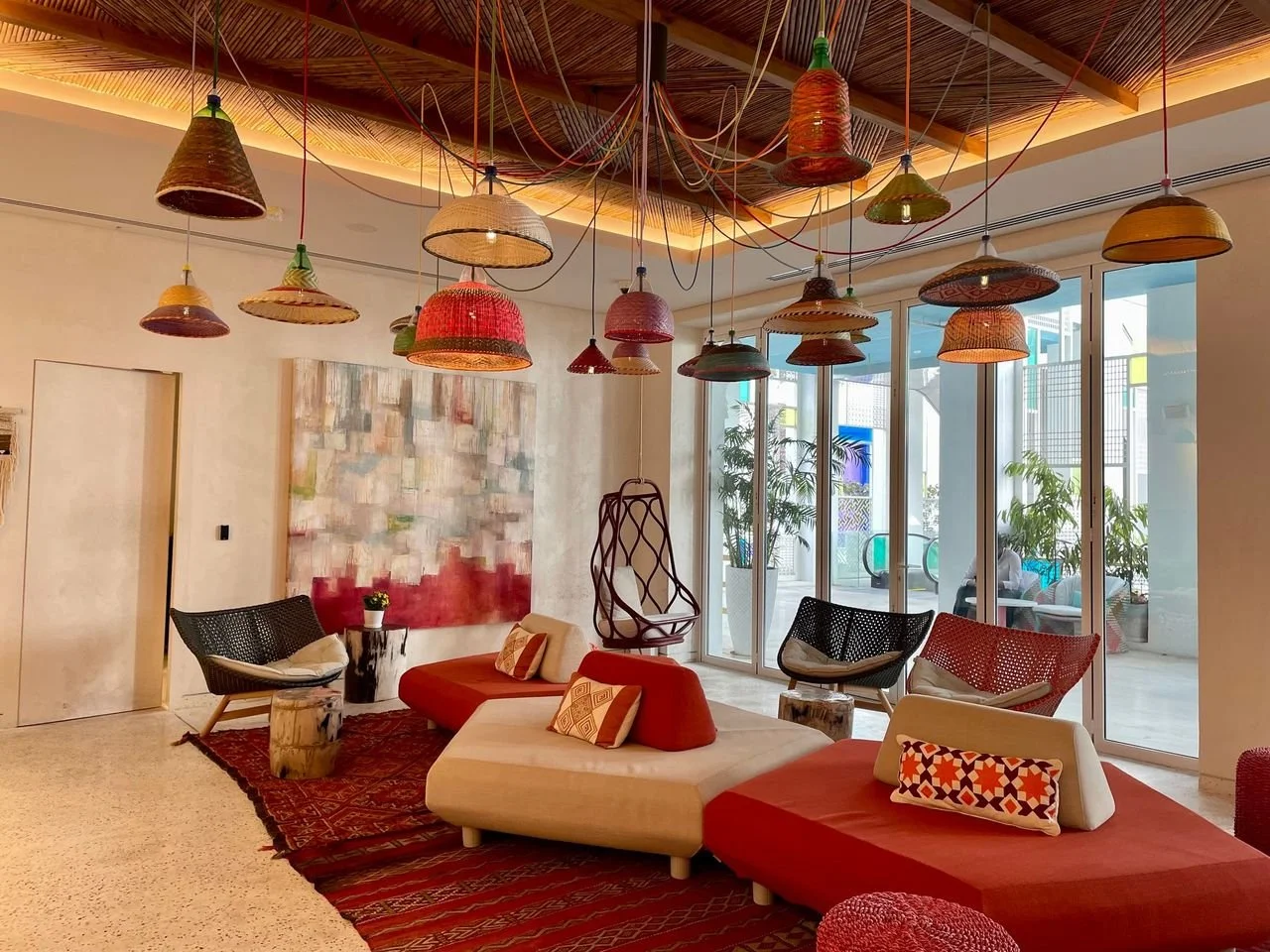
  • Infrastructure: Roads, airports, hotels, and internal flights are modern and reliable.

  • Navigation: English is widely spoken in major cities and tourist areas.

  • Comfort: High standards of cleanliness, service, and personal safety.

For women travelers in particular, this often comes as a surprise. Many arrive expecting restrictions and formality — and leave speaking about kindness, ease, and how unexpectedly relaxed daily life feels.

Safety: What Travelers Really Need to Know

Saudi Arabia consistently ranks as one of the safer countries in the region for visitors, with low rates of violent crime and strong public security presence.

That said, safety here is more about cultural awareness than physical risk.

Key things to know:

  • Public behavior should be respectful and low-key

  • Displays of affection are discouraged

  • Alcohol is illegal

  • Modest dress is expected in public spaces (especially outside major cities)

  • Photography of government buildings, locals without consent, or military areas is restricted

Women travelers are no longer required to wear abayas, but loose, modest clothing remains the norm — and is often experienced as a sign of respect rather than restriction.

Most travelers report feeling very safe walking in cities, dining out, and exploring markets, even at night.

Cultural Change, Sustainability & What’s Still Evolving

Saudi Arabia is changing quickly, but not chaotically.

You’ll see:

  • Women driving, working in tourism, leading businesses

  • Mixed-gender cafés, art spaces, and cultural events

  • A growing public arts scene, music festivals, and exhibitions

At the same time, you’ll still encounter:

  • Daily prayer rhythms shaping business hours

  • Deep respect for family structures

  • Strong traditions around hospitality and privacy

This coexistence, modern life layered onto conservative cultural foundations, is what makes Saudi Arabia such a fascinating place to experience right now.

The country is also investing heavily in sustainability, particularly in regions like AlUla and the Red Sea coast.

Projects emphasize:

  • Landscape protection

  • Controlled visitor numbers

  • Cultural preservation

  • Renewable energy in tourism zones

That said, this is still a work in progress. Traveling with a values-led operator — one that prioritizes local guides, respectful pacing, and cultural context — matters more here than in established destinations.

What This Means for You as a Traveler

Right now, Saudi Arabia offers something rare:

  • A place that feels new without being chaotic

  • Cultural depth without over-tourism

  • High safety without heavy-handed tourism theatrics

  • Warm hospitality without commercialization

It’s not a destination for travelers seeking nightlife, beach clubs, or resort bubbles.

It is a destination for those drawn to:

  • Culture and history

  • Human connection

  • Desert landscapes

  • Meaningful first-time experiences

  • Travel that feels quietly transformative

It’s especially powerful for travelers who want to witness a country in transition — not as spectators, but as respectful guests.

Saudi Arabia isn’t reinventing itself for tourists. It’s choosing what to share — slowly, carefully, and on its own terms. Explore our Saudi Arabia Itinerary Add On and you’ll witness a country in a rare moment of transition — one that still values depth over display and hospitality over performance.

Check out our Jordan and Egypt itineraries, which have a 5-day Saudi add-on that you can join or inquire about a custom trip!