Top 5 Experiences in Saudi Arabia

Written By: Sophie Echeverry

Saudi Arabia is not a destination you simply “see.” It’s one you feel, through silence in the desert, shared coffee in family homes, ancient stone cities carved into cliffs, and modern cities reshaping themselves in real time.

For travelers drawn to culture, history, and meaningful first-time experiences, Saudi Arabia offers something rare: a place that still feels largely undiscovered, yet deeply rooted in tradition.

Here are five of the most powerful experiences that define what travel in Saudi Arabia feels like right now, and why it’s becoming one of the most compelling destinations in the world.


1. Explore the Ancient Nabataean City of Hegra (AlUla)

Hegra (also known as Madain صالح) is Saudi Arabia’s first UNESCO World Heritage Site — and one of the most awe-inspiring archaeological landscapes in the Middle East.

Carved into rose-colored sandstone cliffs more than 2,000 years ago, its monumental tombs rival Petra in scale, yet remain far quieter and more contemplative. Walking through Hegra feels intimate and reverent. There are no crowds, no souvenir stalls, no noise — just wind, stone, and stories etched into the rock. Guided visits offer insight into Nabataean engineering, burial rituals, and trade routes that once connected Arabia to the Mediterranean world.

Why it matters:
This isn’t a highlight reel stop. It’s a moment of historical immersion that reshapes how travelers understand Arabia’s ancient role in global civilization.


2. Wander AlUla’s Desert Landscapes & Elephant Rock at Sunset

Beyond its archaeology, AlUla is a living desert sculpture garden.

Towering sandstone formations, vast canyons, and isolated rock monoliths shape a landscape that feels cinematic — and deeply quiet.

Where the Desert Tells Its Stories

Elephant Rock (Jabal AlFil) is one of the region’s most iconic formations. Watching the sun drop behind it, painting the desert in gold and rose tones, is a grounding, almost spiritual experience.

Evenings here are often spent under the stars, sipping gahwa (Saudi coffee) and dates, listening to stories from local guides whose families have lived in the region for generations.

Why it matters:
This is slow travel at its best — rooted in place, stillness, and natural wonder.

3. Walk Through Old Jeddah (Al-Balad) & Red Sea Culture

Jeddah’s historic district, Al-Balad, is a UNESCO-listed maze of coral-stone houses, carved wooden balconies (rawashin), spice shops, and hidden courtyards.

It’s one of the best places in the country to experience everyday life — children playing soccer in narrow lanes, elders gathering for evening tea, shopkeepers calling out greetings.

Along the nearby Red Sea corniche, modern cafés and art spaces coexist with fishing boats and seaside mosques, reflecting the city’s centuries-old role as a gateway for pilgrims, traders, and travelers.

Why it matters:
This is where Saudi Arabia’s openness feels most visible — layered, human, and alive.

4. Experience Desert Life in the Empty Quarter (Rub’ al Khali)

The Empty Quarter is the largest continuous sand desert on Earth — and one of the most humbling places a traveler can stand.

Golden dunes stretch endlessly. Silence feels physical.
Even short desert stays shift your sense of time and scale.

Many experiences include:

  • 4x4 dune crossings

  • Sunset walks along high dune ridges

  • Traditional Bedouin-style dinners

  • Stargazing far from light pollution

Sharing a simple meal around a fire, listening to stories of desert survival and hospitality, offers a rare glimpse into Arabia’s nomadic roots.

Why it matters:
This is not an “activity.” It’s a perspective shift — one that leaves travelers quieter, calmer, and deeply grounded.

External link suggestion:

  • Saudi Tourism Authority page on Rub’ al Khali

  • BBC Travel feature on the Empty Quarter

5. Share Saudi Hospitality in Homes, Markets & Cafés

One of the most meaningful experiences in Saudi Arabia isn’t found on any map.

It happens in:

Hospitality as a Way of Life
  • Family homes

  • Local cafés

  • Art studios

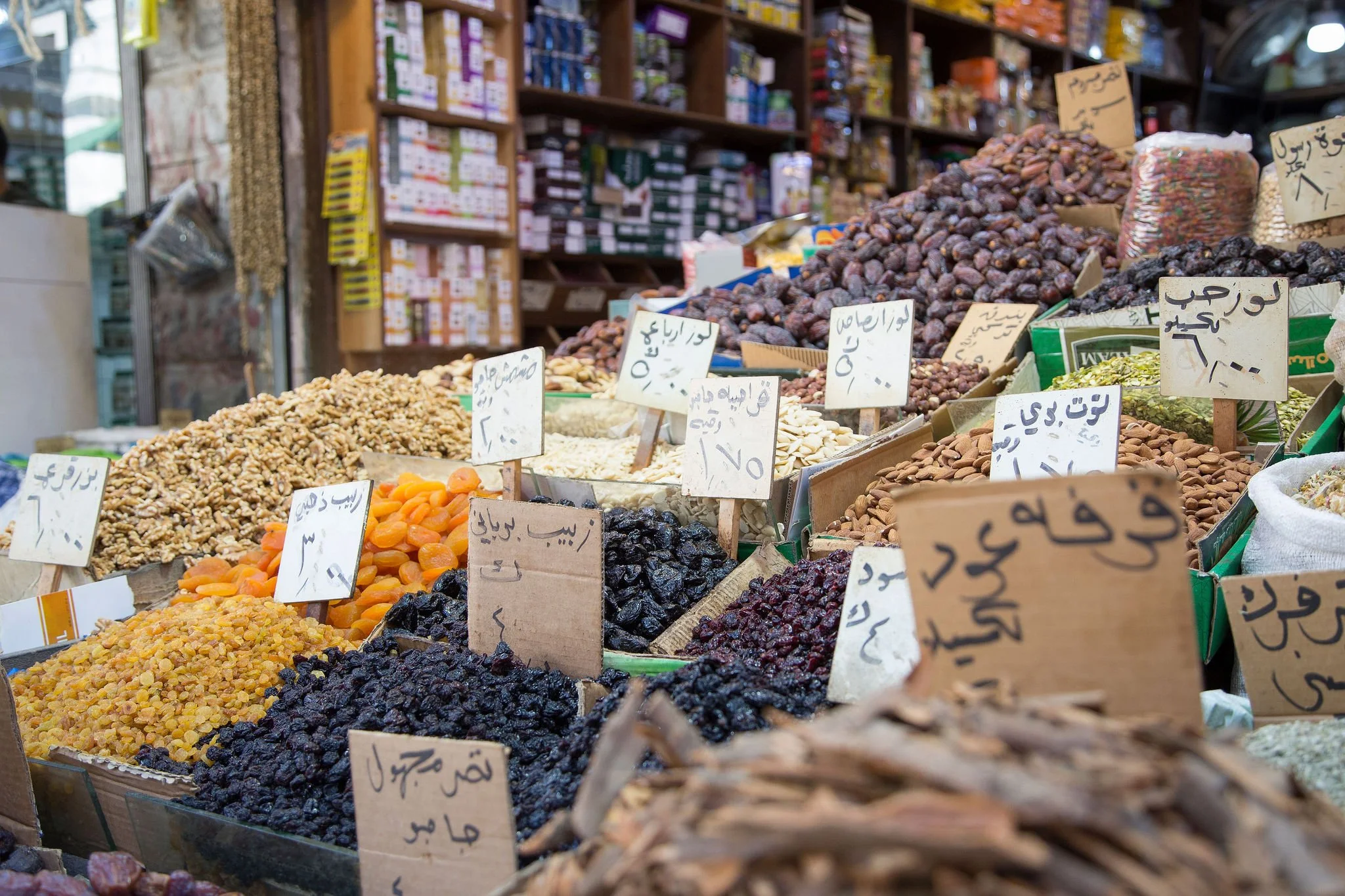
  • Date markets

  • Small-town shops

Guests are often welcomed with gahwa, fresh dates, and genuine curiosity. Conversations unfold slowly. Stories are shared generously.

For women travelers especially, this human warmth often becomes the most surprising and memorable part of the journey.

Why it matters:
This is where travel becomes relational — not performative. It’s the heart of Saudi Arabia’s cultural richness.

External link suggestion:

  • Cultural Atlas on Saudi hospitality

  • Saudi Ministry of Tourism cultural etiquette page

Why These Experiences Matter Right Now

Saudi Arabia is opening deliberately — not chaotically.

What makes these experiences powerful today is not just what you see, but how you experience them:

  • Fewer crowds

  • Deep cultural access

  • High personal safety

  • Respectful pacing

  • Strong sustainability focus

This is a destination best explored slowly, thoughtfully, and with guides who prioritize context over checklists.

Final Reflection

Saudi Arabia isn’t a place you rush through. It’s a place that unfolds — slowly, quietly, and meaningfully. These five experiences offer a window into a country in transition, one that’s sharing its landscapes, stories, and traditions on its own terms. For travelers seeking cultural depth, safety, and something genuinely new, Saudi Arabia may just be one of the most powerful journeys you’ll ever take.

Our Saudi Arabia itinerary Add On weaves together heritage sites, desert landscapes, historic cities, and intimate cultural moments — all guided by local experts who bring the country’s story to life.

Check out our Jordan and Egypt itineraries, which have a 5-day Saudi add-on that you can join or inquire about a custom trip!

Tourism in Saudi Arabia: What Travelers Should Know

Written By: Sophie Echeverry

Not long ago, Saudi Arabia was a place most travelers only encountered through headlines, business trips, or religious pilgrimage. Today, it’s opening quietly, deliberately, and on its own terms — inviting visitors to experience landscapes, heritage, and daily life that have remained largely unseen by the outside world.

But this isn’t mass tourism. And it isn’t a glossy, resort-style reinvention.

Tourism in Saudi Arabia is evolving in a way that feels distinctly intentional. Shaped by national reforms, cultural values, and a desire to share the country’s story without losing its integrity.

For travelers curious about going now, here’s what’s actually changing — and what it means for you.

A Country Opening on Its Own Terms

In 2019, Saudi Arabia introduced its first tourist visas for international visitors — a quiet but historic shift. Since then, the country has been steadily building tourism infrastructure while keeping visitor numbers relatively low compared to global hotspots.

This means travelers today experience:

  • Fewer crowds

  • A slower, more personal rhythm of travel

  • Genuine curiosity from locals rather than over-tourism fatigue

At the same time, Saudi Arabia has chosen to spotlight heritage over hype.

You’ll now find:

Rather than presenting a single, polished narrative, the country is sharing its regional diversity — from the desert cultures of AlUla to the Red Sea rhythms of Jeddah.

What It’s Actually Like to Travel There Now

For most travelers, the reality on the ground feels far more normal, and far more welcoming, than expected.

Here’s what visitors consistently notice:

  • Hospitality: Guests are treated with genuine warmth. Being offered coffee (gahwa), dates, and conversation is common.

  • Infrastructure: Roads, airports, hotels, and internal flights are modern and reliable.

  • Navigation: English is widely spoken in major cities and tourist areas.

  • Comfort: High standards of cleanliness, service, and personal safety.

For women travelers in particular, this often comes as a surprise. Many arrive expecting restrictions and formality — and leave speaking about kindness, ease, and how unexpectedly relaxed daily life feels.

Safety: What Travelers Really Need to Know

Saudi Arabia consistently ranks as one of the safer countries in the region for visitors, with low rates of violent crime and strong public security presence.

That said, safety here is more about cultural awareness than physical risk.

Key things to know:

  • Public behavior should be respectful and low-key

  • Displays of affection are discouraged

  • Alcohol is illegal

  • Modest dress is expected in public spaces (especially outside major cities)

  • Photography of government buildings, locals without consent, or military areas is restricted

Women travelers are no longer required to wear abayas, but loose, modest clothing remains the norm — and is often experienced as a sign of respect rather than restriction.

Most travelers report feeling very safe walking in cities, dining out, and exploring markets, even at night.

Cultural Change, Sustainability & What’s Still Evolving

Saudi Arabia is changing quickly, but not chaotically.

You’ll see:

  • Women driving, working in tourism, leading businesses

  • Mixed-gender cafés, art spaces, and cultural events

  • A growing public arts scene, music festivals, and exhibitions

At the same time, you’ll still encounter:

  • Daily prayer rhythms shaping business hours

  • Deep respect for family structures

  • Strong traditions around hospitality and privacy

This coexistence, modern life layered onto conservative cultural foundations, is what makes Saudi Arabia such a fascinating place to experience right now.

The country is also investing heavily in sustainability, particularly in regions like AlUla and the Red Sea coast.

Projects emphasize:

  • Landscape protection

  • Controlled visitor numbers

  • Cultural preservation

  • Renewable energy in tourism zones

That said, this is still a work in progress. Traveling with a values-led operator — one that prioritizes local guides, respectful pacing, and cultural context — matters more here than in established destinations.

What This Means for You as a Traveler

Right now, Saudi Arabia offers something rare:

  • A place that feels new without being chaotic

  • Cultural depth without over-tourism

  • High safety without heavy-handed tourism theatrics

  • Warm hospitality without commercialization

It’s not a destination for travelers seeking nightlife, beach clubs, or resort bubbles.

It is a destination for those drawn to:

  • Culture and history

  • Human connection

  • Desert landscapes

  • Meaningful first-time experiences

  • Travel that feels quietly transformative

It’s especially powerful for travelers who want to witness a country in transition — not as spectators, but as respectful guests.

Saudi Arabia isn’t reinventing itself for tourists. It’s choosing what to share — slowly, carefully, and on its own terms. Explore our Saudi Arabia Itinerary Add On and you’ll witness a country in a rare moment of transition — one that still values depth over display and hospitality over performance.

Check out our Jordan and Egypt itineraries, which have a 5-day Saudi add-on that you can join or inquire about a custom trip!

10 Cultural Tips for Traveling in Cyprus

Written By: Sophie Echeverr

Cyprus is often described as warm, relaxed, and welcoming — and while that’s true, understanding the cultural rhythm of the island makes all the difference between simply visiting and truly feeling at home.

From how meals unfold to how hospitality is expressed, Cyprus invites travelers to slow down, stay present, and engage with people as much as with places. These ten cultural tips will help you arrive informed, respectful, and ready to experience Cyprus the Traverse way.

1. Hospitality Is Sacred


In Cyprus, hospitality is not performative — it’s deeply cultural. If someone offers you coffee, fruit, sweets, or a seat, it’s considered polite to accept, even if only briefly.

Refusing outright can unintentionally feel dismissive. Accepting, even in small ways, is seen as a sign of respect and connection. You’ll feel this most clearly in villages and family-run cafés, where generosity is instinctive and offered without expectation.


2. Meals Are Meant to Linger


Cypriot meals are slow, social, and generous. Food often arrives in waves, meant to be shared, and conversation is as important as what’s on the plate.


Waiting longer than expected for food isn’t poor service — it’s simply the rhythm of life. Meals here are meant to unfold, not be rushed. Many of our most meaningful moments happen around shared tables — long lunches, late dinners, and conversations that stretch well past sunset.


3. Cyprus Is Safe — With Mindful Awareness

Cyprus is widely considered a safe destination, especially for women travelers. That said, common-sense awareness is still important:

  • Walk confidently and be aware of who’s around you

  • Avoid wandering alone late at night in empty areas

  • Leave valuables secured in your room

  • Carry a copy of your passport, not the original

  • Don’t go anywhere with strangers or accept unknown substances


    Safety in Cyprus is less about fear and more about presence and awareness.

4. Money Is Simple — But Cash Still Matters

Cyprus is part of the European Union and uses the Euro (€).

While credit cards are widely accepted, cash is still useful for:

  • Taxis

  • Small village shops

  • Street purchases like fruit, nuts, and snacks

ATMs are readily available in towns and at the airport. Before traveling, notify your bank to avoid card issues abroad.

5. Tipping Is Appreciated, Not Expected

Tipping culture in Cyprus is modest and informal. Typical practices include:

  • Restaurants: round up or tip ~10%

  • Taxis: round up

  • Guides: €10–15 per day

  • Drivers: €7–10 per day

Locals may not tip at all, but visitors often do — and it’s appreciated when offered kindly, not obligatorily.

6. Quiet Evenings Are Part of the Rhythm

Cyprus values rest and community. Quiet hours after 10 p.m. are common, especially in villages and boutique accommodations. Respecting this rhythm helps preserve the peaceful atmosphere that makes Cyprus so special. Packing earplugs and an eye mask is always a good idea — both for comfort and courtesy.


7. Water, Toilets & Small Details Matter

A few practical realities travelers should know:

  • Tap water is generally not potable, even though locals might be seen doing so.

  • Toilets often require paper to be placed in bins instead of flushed

  • Reusable water bottles are encouraged

Using a water filter helps reduce plastic waste and aligns with Cyprus’s growing sustainability efforts.

8. Weather Changes by Region

October is an ideal time to travel in Cyprus, offering a balance of warmth and comfort.

  • Daytime temperatures average around 26°C (78°F)

  • Nights cool to around 14°C (57°F)

  • Mountain regions like Troodos and Lefkara are cooler

  • Coastal areas like Paphos are warmer

Layering is key, especially in the mountains and evenings.

9. Language Is Personal: Even a Few Words Matter

Greek is the official and primary language in Cyprus, though English is widely spoken.

Learning a few phrases goes a long way:

  • Hello: Γειά σου (Yah-sas)

  • Thank you: Ευχαριστώ (eff-ha-ri-STOE)

  • Please / You’re welcome: Παρακαλώ (para-kah-LOE)

  • Cheers: Yia mas!

Cypriots may ask personal questions — about family, marriage, or children. This is curiosity and warmth, not intrusion.


10. Community Care Is a Core Value

Family, elders, and community bonds are deeply respected in Cyprus. This sense of care extends beyond borders.

On our Cyprus journey, we partner with Lighthouse Relief, supporting humanitarian aid and refugee assistance in the region. Though based in Greece, this work resonates deeply with many Cypriots, who are closely connected to migration and displacement issues in the Eastern Mediterranean.

Why These Cultural Tips Matter

Traveling in Cyprus is not about checking boxes, it’s about tuning into a rhythm that values generosity, presence, and human connection.

When travelers arrive with curiosity and respect, Cyprus responds with warmth, openness, and moments that linger long after the journey ends.

This is the kind of travel that transforms — quietly, gently, and deeply.

10 Mythological Sites to Explore in Cyprus

Written By: Sophie Echeverry

Cyprus is not just sun-drenched beaches and olive groves, it’s a land steeped in myth. Ancient stories of gods, goddesses, and legendary heroes linger in temples, caves, and mountains. Traveling to these sites isn’t just sightseeing; it’s stepping into the stories that shaped civilization and culture on this island.

From the birthplace of Aphrodite to sacred tombs of kings, these ten mythological sites invite travelers to connect with Cyprus in a way that is both historical and deeply human.

1. Petra tou Romiou – The Birthplace of Aphrodite

The Birthplace of Beauty

Legend says Aphrodite, goddess of love and beauty, rose from the sea in Petra you Romiou. The jagged rocks and foamy waves create a dramatic backdrop, making it one of the most photographed spots in Cyprus. Stand barefoot at the water’s edge and imagine the goddess emerging from the surf — a moment of quiet reflection and awe.


2. Kourion Archaeological Site


Kourion’s ruins reveal a city that blended myth, governance, and daily life. The theater overlooks the sea, reminding visitors of how myth and art intertwined in public life.Sit in the ancient theater and imagine tragedies of Greek myth performed under the Cypriot sun.


3. Tombs of the Kings, Paphos

Despite the grandiose name, Tombs of the Kings are underground tombs from the 4th century BCE, built for high-ranking officials. Local lore suggests that spirits of past kings and heroes linger here. Visiting early in the morning to enjoy cooler temperatures and a sense of solitude that connects you with centuries of history, is our suggestion.

4. Sanctuary of Apollo Hylates, Kourion

Dedicated to Apollo, god of music, prophecy, and healing, this sanctuary was a spiritual hub for the ancient city. Stone altars, columns, and sacred courtyards offer insight into ceremonial life. Trust us, pause by the altars and imagine rituals that invoked the gods’ favor on crops, families, and the city itself.

Dedicated to the God of Light

5. Ancient Salamis

Once a bustling city-state, ancient Salamis carries mythic weight: its founders were said to descend from Teucer, a hero of the Trojan War. Walking its marble streets, columns, and baths connects travelers to legends embedded in everyday life.

Tip: Wander slowly to appreciate mosaics and inscriptions that echo stories from Homeric epics.

6. Sanctuary of Aphrodite at Kouklia (Old Palaipaphos)

Before Petra tou Romiou became symbolic, the sanctuary in Kouklia was the religious heart of Aphrodite’s worship. Large altars, ancient walls, and votive offerings reveal centuries of devotion. Visiting here gives perspective on how myth shaped public life and ritual in Cyprus.

7. Mount Olympus, Troodos Mountains

Not the Greek Olympus, but the highest mountain in Cyprus has its own mythic significance. Ancient folklore links it to gods and nymphs who danced in the forests and caves.

Tip: Hiking here combines adventure, legend, and breathtaking views. You might even feel a touch of divine inspiration.

8. Agia Napa Monastery & Church Legends

Agia Napa’s monastery was a spiritual center, but surrounding villages carry folktales of saints, spirits, and miraculous events. Stroll the gardens and listen to local guides — these oral traditions are a bridge between history and myth.

9. Choirokoitia – Neolithic Village

One of the best-preserved prehistoric sites, Choirokoitia may predate classical myths but inspired later stories. Its circular houses and defensive walls give a tangible sense of community life that fueled mythmaking. The best way to explore this unique location is with a local, who can weave stories about daily life, survival, and local legends.

10. Aphrodite’s Rock Caves (Petra tou Romiou Coastline)

Beyond the main beach, hidden caves along the coastline are said to have been sacred spaces where followers of Aphrodite gathered. The caves and cliffs carry the island’s marine mythology and ancient rituals.

Experiential note: Explore these carefully with a guide; the tactile connection to the sea and stone brings myth alive.

Why Myth Matters in Cyprus Travel

Cyprus is a living museum of stories. Every temple, ruin, and coastal rock whispers the myths that shaped Mediterranean culture. Traveling here is not just sightseeing — it’s stepping into a narrative where gods, heroes, and humans meet in the landscape itself.

When you explore Cyprus with intention, these mythological sites don’t just impress — they transform your understanding of the island.

Top Books to Read Before Traveling to Cyprus

Written By: Sophie Echeverry

Cyprus is a land of layered histories — Greek, Turkish, Ottoman, and British influences converge across its landscapes, towns, and coastlines. Reading books by or about Cypriots, or novels inspired by the island, is one of the best ways to deepen your understanding before stepping foot on the island. These stories illuminate culture, memory, mythology, and the nuances of daily life in ways that sightseeing alone can’t.

Whether you’re drawn to fiction, history, or contemporary voices, these ten books offer a lens into the heart of Cyprus – and will help you be ready for your next adventure.

Where Personal and Collective Histories Meet

Where Personal and Collective Histories Meet

1. The Island Beneath the Trees by Elif Shafak

This novel blends history, memory, and identity across generations. Shafak tells a story set on a small, forested island — a place that resonates with Cyprus’s layered history of displacement and belonging. Themes of family, conflict, and reconciliation mirror the complexities travelers will encounter on the island today.

Note: Reading this book gives you a nuanced sense of how personal and collective histories intertwine — perfect context before visiting villages, towns, and heritage sites.


2. Bitter Lemons of Cyprus by Lawrence Durrell

Durrell’s memoir from the 1950s offers an expatriate’s view of Cyprus’s culture, politics, and daily life during British colonial times. While written decades ago, it captures a vivid portrait of the island’s landscape, traditions, and tensions that still resonate.

Tip: Use Durrell’s descriptions as a visual and cultural map while visiting Lefkara or Troodos villages.

3. All The Diaries of Ioanna Tsatsou

Everyday Life in Extraordinary Times

Everyday Life in Extraordinary Times

Ioanna Tsatsou, a Cypriot author, offers firsthand insight into 20th-century life in Cyprus and Greece, capturing both the challenges of wartime and the warmth of everyday cultural traditions. Reading her diaries gives travelers a personal, human perspective on Cypriot life, helping to understand how history, family, and community shaped the rhythms and customs still visible in villages, markets, and homes today. Her reflections allow visitors to see beyond the surface, connecting historical context to the lived experiences encountered on the island.


4. Aphrodite: The Mythology of Cyprus by Stass Paraskos

This book blends myth, history, and culture to reveal how ancient stories continue to shape Cyprus’s identity. It is ideal for travelers who want to step beyond the ruins and beaches and understand the legends woven into the landscape — from Petra tou Romiou, said to be Aphrodite’s birthplace, to hidden temples and sacred sites. Reading it beforehand enriches your visit, helping you see the myths come alive in archaeological sites, village stories, and local traditions, making every encounter with Cyprus’s heritage more meaningful and memorable.

Stories Written in Stone and Sea

Stories Written in Stone and Sea

5. The Island of Love by Denise Larkin

A mystery-romance set in Paphos, Cyprus, following Phillipa as she seeks renewal after a breakup and encounters romance, suspense, and adventure. The island’s villages, coastlines, and everyday life are woven into the story, giving readers a vivid sense of place. This novel is perfect for travelers who want to feel the atmosphere of Cyprus before arriving.

Why Reading Cyprus Matters

Books allow travelers to arrive with depth, curiosity, and respect. Fiction captures emotion and culture, non-fiction contextualizes history, and memoirs provide personal insight. Together, they equip you to not just see Cyprus, but feel it.

While you explore what Cyprus has to offer – from villages, archaeological sites, and coastal landscapes with these stories in mind, the myths, traditions, and human connections come alive in ways that no tour brochure can convey.


10 Traditional Foods to Try in Cyprus

Written By: Sophie Echeverry

Cyprus is a sun-soaked island where food is more than sustenance — it’s culture, hospitality, and connection. Meals are shared, celebrated, and deeply tied to the island’s history, geography, and family traditions. From coastal villages to mountain towns, tasting local dishes is one of the best ways to understand Cyprus.

1. Halloumi – Cyprus’s Culinary Icon

Halloumi cheese is perhaps Cyprus’s most famous culinary export. Traditionally made from goat and sheep milk, it has a firm texture that holds up beautifully when grilled, fried, or added to salads. On your travels, you’ll find halloumi served at nearly every meze or village taverna. Its salty, tangy flavor and squeaky texture make it unforgettable, and it’s often featured in local festivals or freshly prepared in markets. Tasting halloumi offers more than flavor—it’s a connection to centuries of Cypriot dairy traditions.

2. Cyprus Mezze – The Ultimate Shared Meal

More Than a Meal: The Art of Cypriot Meze

More Than a Meal: The Art of Cypriot Meze

A true Cyprus meze can include 20–30 dishes, ranging from dips like tzatziki and tahini to grilled vegetables, seafood, meats, olives, and freshly baked bread. This isn’t just a meal; it’s a social ritual, meant to gather people around the table and celebrate hospitality. Each dish tells a story: local herbs reflect mountain valleys, olive oil speaks to centuries of cultivation, and every bite is a lesson in tradition and generosity. Travelers experience meze best in village tavernas or family-run restaurants, where sharing and conversation are as important as the food itself.

3. Loukanika – Village Sausages

Loukanika are spiced Cypriot sausages, often made with pork, herbs, and occasionally a hint of wine. They’re grilled or fried and served as part of a meze or as a street snack. Every bite reflects regional flavors, from local herbs to traditional curing methods, giving insight into how food connects rural communities with cultural identity. Tasting loukanika in a small village or at a local market is like stepping into the daily life of Cypriot locals.

4. Anari Cheese – Light & Fresh

Everyday Ingredients, Lasting Traditions

Everyday Ingredients, Lasting Traditions

Anari is a soft, fresh cheese often served with honey or baked into pastries. It’s mild, slightly sweet, and incredibly versatile. In Cyprus, it’s used both as a breakfast treat and a dessert ingredient. Trying Anari helps travelers understand the importance of dairy in Cypriot cuisine, and how simple, seasonal ingredients are celebrated in everyday meals.

5. Moussaka – Mediterranean Comfort

The Cypriot version of moussaka layers eggplant, potatoes, and spiced meat, all topped with a rich béchamel sauce. This dish is hearty, fragrant, and steeped in Mediterranean tradition. Beyond the flavors, it tells a story of how Greek, Ottoman, and Middle Eastern culinary influences converged on the island. Enjoying it in a village taverna allows travelers to taste history while soaking in the local atmosphere.

6. Grape Leaf Rolls – Traditional Dolmades

Food Meant to Be Shared

Grape leaf rolls, or dolmades, are tender vine leaves stuffed with a mixture of rice, herbs, sometimes minced meat, and pine nuts, then gently simmered in lemony olive oil. Eating dolmades gives travelers a taste of Cyprus’s culinary ingenuity, where simple, local ingredients are transformed into dishes that have been passed down for generations. They reflect the importance of family, seasonal harvests, and shared meals—core elements of Cypriot hospitality. 

7. Many Fresh & Colorful Salads

More Than a Greek Salad

Cypriot salads go beyond the standard Greek salad, featuring locally grown tomatoes, cucumbers, peppers, fresh herbs, olives, and halloumi. A drizzle of native olive oil completes the dish. Eating it is like tasting the Mediterranean sun and soil in every bite, offering a sensory connection to Cyprus’s agricultural heritage. These salads are often accompanied by bread baked on-site, creating a simple yet authentic culinary experience.

8. Cypriot Honey Liquid Gold of the Island

The Sweet Heart of Cyprus

Honey is a central part of Cypriot culinary and cultural life. Produced in mountain villages and coastal areas, it is often drizzled over halloumi, pastries, or yogurt, used in sweets, or served with coffee as a symbol of hospitality. Local varieties like thyme, pine, and carob honey each have distinct flavors tied to the island’s flora. Sampling honey is not just tasting sweetness—it’s experiencing the landscapes, seasonal rhythms, and care of local beekeepers who have preserved these traditions for generations.

9. Carob – Cyprus’s Black Gold

Carob trees have been cultivated for centuries on the island. The pods are used to make syrup, powder, and traditional sweets. Carob reflects Cyprus’s agricultural ingenuity and desert-adapted crops. Tasting carob products connects visitors to the island’s history of trade, resourcefulness, and culinary creativity.

10. Fresh Seafood – From Coast to Table

Flavors of the Mediterranean Tide

Cyprus’s Mediterranean location ensures a bounty of fresh fish and seafood, from red mullet to squid and octopus. Often simply grilled with lemon and olive oil, seafood on the island celebrates freshness and the sea’s influence on local life. Sampling it at a seaside taverna or harbor restaurant connects travelers to both Cyprus’s culinary traditions and its coastal culture.


Why Food Matters in Cyprus

Eating in Cyprus is storytelling, culture, and connection in every bite. Shared meals, meze spreads, and local delicacies invite travelers to participate in traditions, meet locals, and feel the rhythms of daily life. From grilled halloumi in village squares to fresh seafood on the coast, food is one of the most intimate ways to experience Cyprus.

An Introduction to the Mayan Calendar: Exploring Guatemala’s Timeless Heritage

Written By: Michelle Fajkus & Sophie Echeverry

The Mayan calendar is one of the most fascinating legacies of Mesoamerican civilization. More than just a system for tracking days, it reflects the Mayans’ deep understanding of astronomy, agriculture, and human experience. Traveling to Guatemala, the heartland of the ancient and living Maya, offers a unique chance to see this culture come alive, from archaeological sites to local traditions that have endured for centuries.

(Internal link suggestion: Link “traveling to Guatemala” to your Guatemala itinerary page.)

What is the Sacred Mayan Calendar?

The sacred Mayan calendar is known as the Cholqi’j, a:260-day ritual calendar that governed religious ceremonies and spiritual life. Every day in the Gregorian calendar corresponds to a Mayan day sign and number. The sign and number of your birth define your nawal, a guardian energy or spirit that guides you throughout your life. By understanding our energies, we grow as individuals and as members of our communities.

The Mayans have multiple other calendars, including the Haab’, a 365-day solar calendar similar to the modern year, used for agriculture and civil planning, and he Long Count, a linear timeline counting baktuns, which are periods of 52,000 years. The most recent baktun ended on December 21, 2012 — and the next one began the following day!

Each cycle reflects a deep connection to the natural world. The calendar is about both measuring time and understanding cycles of life, growth, and the universe itself.

Experiencing the Sacred Mayan Calendar in Guatemala

Guatemala is home to numerous iconic Mayan sites, where the calendar’s influence is visible in architecture, inscriptions, and sacred landscapes. Visiting these sites is a journey through time.

Top Mayan Sites to Visit in Guatemala

Guatemala offers travelers a rare opportunity to experience Mayan culture both in daily life and at ancient sites. On our itinerary, you’ll explore communities, markets, and rituals that bring the calendar and Mayan traditions to life.

Santiago Atitlán & Lake Atitlán Villages

Visit indigenous Tz’utujil and Kaqchikel communities around Lake Atitlán. Here, local guides demonstrate how the Cholq’ij calendar informs agricultural cycles, ceremonial days, and festivals. Walking through the villages, you’ll see how Mayan heritage is woven into daily life.

Chichicastenango Market

One of Central America’s most vibrant markets, Chichicastenango is also a ceremonial hub. Traditional Mayan fire ceremonies are often performed here in front of the Catholic church, connecting spiritual life with the rhythms of the calendar. Travelers can browse local textiles, crafts, and foods while observing how ceremonial dates guide community life.

Museums & Cultural Centers

In Guatemala City and Antigua, museums like the Museo Popol Vuh and Casa Santo Domingo house Mayan artifacts and inscriptions. These collections reveal how the Long Count calendar was used to record historical events, blending astronomy, ritual, and civic life.

Tikal National Park

For travelers wishing to explore further, Guatemala is home to Tikal, an iconic Mayan city. Its pyramids, plazas, and astronomical alignments demonstrate how the calendar shaped architecture, rituals, and urban planning. 

Quiriguá

Another impressive site for extended exploration, Quiriguá features massive stelae carved with dates in the Long Count, offering insight into how the Maya recorded history and honored cycles of time. Its artistic and astronomical significance complements the experiences travelers gain while travelling through Guatemala.

These experiences are a reminder that the Mayan calendar is a way of life even to this day, guiding spiritual practices, planting cycles, and community celebrations.

How the Mayan Calendar Connects to Modern Travelers

At Traverse Journeys, we believe travel should be immersive, reflective, and transformational. Exploring Guatemala’s Mayan heritage allows travelers to:

  • Feel the rhythm of the land: Learn how agricultural cycles and celestial observations shape everyday life.

  • Engage with local communities: Experience ceremonies and markets where the calendar continues to inform social and spiritual life.

  • Reflect on time and connection: The calendar encourages contemplation of cycles, continuity, and our place in the universe — a perspective that resonates deeply when traveling mindfully.

Why the Mayan Calendar Matters Today

Understanding the sacred Mayan calendar is more than an academic exercise. It’s an invitation to experience time differently, to notice natural cycles, and to appreciate the wisdom of a culture that lives in harmony with the stars, the sun and moon, and the elements of earth, wind, fire and water.

For travelers, it’s a chance to slow down, engage, and discover how ancient knowledge can still inspire meaningful travel today.

Visiting Guatemala in a Purposeful Way

Our Guatemala itinerary is designed to bring these ancient cycles to life. Guests meet local guides deeply rooted in Mayan traditions, and participate in cultural experiences that honor heritage and sustainability. Every step is curated to connect travelers to both the past and, most importantly, to the present moment.

Japan’s Food 101: A Beginner’s Guide to Japanese Cuisine

Written By: Sophie Echeverry

Japan’s food culture is deeply tied to its geography, history, and the seasons. While sushi and ramen might be the first things that come to mind, Japanese cuisine is incredibly diverse, hyper-local, and rooted in centuries-old traditions. From homestyle cooking to lively izakayas to refined Buddhist monk cuisine, food in Japan reflects not just taste, but values: balance, respect for nature, and care in preparation.

While we can’t take you through every flavor Japan has to offer in a single blog, we can give you a meaningful foundation for understanding Japan’s culinary landscape — and how travelers can experience it thoughtfully and respectfully.

Japan’s Seasonal & Local Approach to Food

Japanese cuisine is deeply rooted in seasonality and locality, with dishes evolving throughout the year to highlight the freshest ingredients available. This emphasis on balance, both nutritional and spiritual, shows up everywhere, from casual home-cooked meals to the country’s most refined dining experiences.

Whether you’re enjoying breakfast at a traditional ryokan or indulging in a multi-course kaiseki meal, ingredients are selected with intention. What’s in season matters. Where it comes from matters. Even how it’s presented reflects the time of year.

This seasonal awareness is one of the most powerful ways travelers connect with Japan — not as spectators, but as participants in a living cultural rhythm.

Homestyle Japanese Cooking: Obansai

One of the most traditional expressions of Japan’s seasonal and local food philosophy is obansai, a style of home cooking that originated in Kyoto. Obansai features small, simple dishes made with locally sourced ingredients, emphasizing minimal waste and deep respect for natural flavors.

Common ingredients include pickled vegetables, tofu, mushrooms, root vegetables, seafood, and miso-based preparations — staples that shift subtly with the seasons. Rather than showcasing extravagance, obansai celebrates nourishment, balance, and restraint.

Obansai isn’t tied to a specific meal. It may appear at breakfast, lunch, or dinner, and is often experienced as part of a traditional Japanese breakfast at ryokans. Meals are designed to energize without excess — grounding travelers before a day of exploration.

Japanese Haute Cuisine: Kaiseki

If obansai represents the heart of Japanese home cooking, kaiseki reflects the artistry of Japan’s culinary tradition. Rooted in Zen philosophy and the tea ceremony, kaiseki is a multi-course meal designed to engage all five senses while honoring nature, time, and place.

Each course unfolds slowly and intentionally — from delicate broths to precisely plated vegetables and seasonal seafood. Presentation is just as important as flavor, often echoing the landscape or season outside.

While obansai offers warmth and familiarity, kaiseki invites presence and reflection. It’s less about indulgence and more about attention — a meal that feels as nourishing to the spirit as it is to the body.

Dining in Japan: Reservations & Dietary Considerations


Reservations

Despite Japan’s overwhelming number of restaurants, reservations are often necessary. Many establishments are small, family-run, and prioritize quality over volume. Japan’s strong mindfulness around food waste also means restaurants plan carefully for their guests. Spontaneity is possible — but planning ahead is often rewarded with more meaningful dining experiences.

Dietary Restrictions

Japan can be challenging for travelers with dietary restrictions, particularly those with strict gluten-free or Celiac needs. Soy sauce, which contains wheat, is used widely, and cross-contamination is common.

Vegan and vegetarian travelers may also face challenges. Dashi — a broth made from dried bonito flakes — is a foundational ingredient used to flavor everything from soups to vegetables and rice.

Language barriers and cultural norms can also make communicating dietary needs difficult. Learning a few key phrases and researching restaurants in advance can make a significant difference.

Regional Specialties & Must-Try Dishes in Japan

Japan’s culinary identity is deeply regional, shaped by climate, geography, and local traditions. Exploring food by region offers one of the most immersive ways to understand the country.

Kyoto: Matcha & Shojin Cuisine

Kyoto is the heart of Japan’s tea culture, and the nearby Uji region produces some of the finest matcha in the country. Matcha appears not only in tea ceremonies, but in desserts, sweets, and everyday confections throughout the city.

Kyoto is also known for shojin ryori, a plant-based Buddhist cuisine focused on simplicity, mindfulness, and seasonal vegetables. A highlight is yuba, or tofu skin, enjoyed fresh or dried in soups.

Tokyo: Soba Noodle Capital

Tokyo is a paradise for soba lovers. These thin buckwheat noodles are served hot or chilled, depending on the season, and vary subtly in texture and flavor from shop to shop.

Historic neighborhoods like Asakusa and Shinjuku are home to long-standing soba restaurants that have upheld traditions for generations. Eating soba in Tokyo is less about novelty and more about appreciating craftsmanship and restraint.

Osaka: Street Food & Takoyaki Central

Osaka is famously known as Japan’s “Kitchen”, a city where food is bold, playful, and deeply communal. Its street food culture is legendary, with takoyaki (octopus balls) and okonomiyaki (savory pancakes) leading the way.

For the full experience, wander Dotonbori, where neon signs, sizzling grills, and late-night crowds create one of Japan’s most energetic food scenes

Ready to explore Japan’s food culture for yourself?

Izakayas: Japan’s Pub Culture

To experience Japan like a local, visit an izakaya — a casual pub serving small plates meant to be shared over drinks. Izakayas are lively, social spaces where food is secondary to connection. Typical orders include yakitori (grilled skewers), karaage (fried chicken), sashimi, and seasonal specialties, paired with sake or highballs.

Unexpected Culinary Surprises: 7-11 & Konbini Culture

Japan’s convenience stores, known as konbini, are a revelation. Far from typical gas-station snacks, places like 7-11 offer high-quality, affordable meals prepared daily. Favorites include onigiri, fresh egg salad sandwiches, bento boxes, and seasonal sweets.

A Final Thought on Eating in Japan

Japanese food is not just about flavor — it’s about rhythm, restraint, and respect. Meals mirror the seasons, honor craftsmanship, and create moments of connection, whether shared at a bustling izakaya or eaten quietly at a ryokan breakfast table.

For travelers willing to slow down, plan ahead, and eat with curiosity, Japan’s food culture becomes a gateway to understanding the country itself.

Must-Read Egyptian Literature Before Your Trip: 5 Books to Read

Written By: Sophie Echeverry

If you’re preparing for Egypt, letting the country seep into your imagination before arrival makes everything richer. Reading Egyptian literature whispers the sounds of Cairo alleys, the silence along the Nile, the heat of midday, and the hopes and struggles of its people. These books aren’t just stories, they’re windows. These must-read books about Egypt will make your trip feel more vivid, more personal.

Here are 5 books by Egyptian authors (or closely connected to Egypt) to read before you travel. They illuminate history, culture, identity, and the human heart in ways no guidebook can.

If you’re preparing for Egypt, letting the country seep into your imagination before arrival makes everything richer. Reading Egyptian literature whispers the sounds of Cairo alleys, the silence along the Nile, the heat of midday, and the hopes and struggles of its people. These books aren’t just stories, they’re windows. These must-read books about Egypt will make your trip feel more vivid, more personal.

Here are 5 books by Egyptian authors (or closely connected to Egypt) to read before you travel. They illuminate history, culture, identity, and the human heart in ways no guidebook can.

1. The Cairo Trilogy by Naguib Mahfouz


Step into the old alleys of Cairo, where the scent of coffee mingles with the echo of the call to prayer and families live behind carved wooden doors that have seen decades pass.

In The Cairo Trilogy: Palace Walk, Palace of Desire, and Sugar Street, Naguib Mahfouz is Egypt’s Nobel Prize–winning author, who paints an unforgettable portrait of a Cairo family across three generations. We meet a strict patriarch by day and a secret lover of music and nightlife by night. His wife is gentle yet quietly strong; his children, full of hope, rebellion, and dreams.

The novels unfold like a tapestry, woven with faith, love, loss, and the winds of change that swept through Egypt from the colonial era to independence.

Why read it before your trip:
When you wander through Cairo’s historic neighborhoods, you’ll feel Mahfouz’s characters walking beside you. The city becomes not just ancient stone and traffic noise, but a living, breathing story.

2. Woman at Point Zero by Nawal El Saadawi


Not all Egyptian stories shimmer with nostalgia, some burn with truth. Woman at Point Zero is on fire. Based on the real-life account of a woman imprisoned for murder, Nawal El Saadawi’s short, searing novel follows Firdaus, a woman who refuses to be silent. Through her voice, we see Cairo from the margins: the struggles of poverty, gender, and survival in a world that often turns away.

El Saadawi, a psychiatrist and activist, listens, records, and transforms one woman’s pain into a powerful act of resistance.

Why read it before your trip:
This book shifts how you see Egypt—not just as a traveler, but as a human being. You’ll step into temples and markets with a deeper awareness of strength, resilience, and the stories that go unheard.

3. Zaat: The Tale of One Woman’s Life in Egypt During the Last Fifty Years by Sonallah Ibrahim

If Mahfouz is Egypt’s memory and El Saadawi its conscience, Sonallah Ibrahim is its sharp wit. Zaat tells the story of one woman navigating the chaos of everyday Cairo life—from bureaucratic jobs and gossiping coworkers to news headlines that interrupt her thoughts.

Ibrahim blends fiction and newspaper clippings, blurring lines between personal and political. The result is both humorous and haunting, showing how modern Egypt shifted under the weight of rapid change.

Why read it before your trip:
It helps you see the ordinary, buses, banks, street vendors, as part of a bigger story. When you’re sitting in traffic or sipping mint tea, you’ll sense Zaat’s presence: her quiet strength, her resilience, her humor.

4. The Days by Taha Hussein

Taha Hussein, known as “The Dean of Arabic Literature,” was blind from childhood. Yet in The Days, his memoir, he sees Egypt more clearly than most.


His prose flows like the Nile itself, steady, poetic, and full of longing. He writes about growing up in a small village, losing his sight, and his journey to education and independence. Through his words, we witness Egypt’s transformation and his own: a man who overcame immense challenges to become one of the country’s most respected thinkers.

Why read it before your trip:
Hussein reminds you that travel, like life, is about curiosity, persistence, and perspective. As you explore Egypt’s museums or wander through quiet villages, his voice stays with you, a gentle guide to seeing the unseen.

5. Karnak Café by Naguib Mahfouz

Return to Cairo, but this time not to its family homes, to its cafés, where stories linger in the smoke of cigarettes and the steam of coffee.

In Karnak Café, Mahfouz invites us into a small gathering place where people talk politics, dream of love, and survive under the shadow of fear and censorship. The café becomes a symbol of Egypt itself: resilient, tender, and full of contradictions.

Why read it before your trip:
When you sit at a riverside café in Cairo or Luxor, sipping tea as the sun dips low, you’ll remember this book. You’ll watch the city breathe around you and realize—you’re living inside a story that’s still being written.

How These Books Shape Your Journey

Reading these books about Egypt before your trip gives you:

  • Deeper understanding of Egyptian culture, politics, and change.

  • More empathy toward voices and stories you’ll meet on the ground.

  • A richer experience. When you see something in real life (a neighborhood, a political poster, a market), you’ll recognize more layers.

  • Conversation starters. These books give you language to connect with locals—ask about characters, history, places mentioned.

So pack your curiosity along with your sunscreen and camera. Read a little, feel a lot, and let Egypt’s words prepare you for the magic ahead.

Want to experience Egypt yourself? 

Experience what you've already started to know through its pages—the one that smells of spices, hums with music, and tells stories that stay with you long after you’ve turned the last page.

Egypt’s Regenerative Agriculture: Cultivating Tradition, Innovation, and Sustainability

Written By: Sophie Echeverry

Egypt has always been a land shaped by the rhythm of the Nile — a place where water, soil, and sunlight come together to nourish both body and spirit. Today, that ancient relationship with the earth is being reimagined through a modern movement: regenerative agriculture. It’s a return to balance — blending ancestral wisdom with scientific innovation to heal the land, restore biodiversity, and secure food for generations to come.

A Rich Agricultural Legacy

For thousands of years, Egyptians have lived by the pulse of the river. Ancient farmers mastered irrigation long before modern technology, harnessing the annual floods of the Nile to enrich their soil with life-giving silt. Their methods sustained one of the world’s oldest civilizations — and their reverence for the land laid the foundation for the sustainable farming practices Egypt is rediscovering today.

The Rise of Regenerative Practices

Fast forward to the present, and Egypt’s farmers and innovators are embracing regenerative agriculture as a way to meet some of the country’s most pressing challenges: soil degradation, water scarcity, and climate change. Instead of depleting the land, regenerative methods focus on giving back — replenishing what’s taken through crop rotation, composting, agroforestry, and natural soil restoration.

One of Egypt’s most inspiring sustainability stories begins not in a lush valley, but in the desert. In 1977, Dr. Ibrahim Abouleish founded the SEKEM Initiative, a bold vision to turn sand into soil and hope into harvest. What started as a patch of barren land has blossomed into a thriving ecosystem rooted in organic and biodynamic principles.

But SEKEM is more than a farm: it’s a living, breathing model of sustainable community life, where farming intertwines with education, healthcare, and renewable energy. Walking through its fields today, you’ll find children learning beside farmers, herbs drying in the sun, and solar panels glinting on the horizon.

Recognized by the United Nations Environment Programme as a 2024 Champion of the Earth, SEKEM stands as proof that regenerative agriculture can do more than grow crops — it can nurture communities, restore balance, and reimagine what’s possible in the desert.

Innovation Rooted in the Land

Across Egypt, farmers are weaving tradition with technology to create smarter, more sustainable ways of growing food. Drip irrigation systems deliver water directly to roots, saving precious resources in a dry climate. Drought-resistant crops and water-harvesting systems are helping communities adapt to the changing environment.

Meanwhile, innovations like biochar — a natural soil enhancer made from organic waste — are improving soil structure, increasing water retention, and boosting fertility. It’s ancient alchemy meeting modern science.

Regeneration as a Cultural Movement

Regenerative agriculture in Egypt isn’t just about farming — it’s about reconnection. It ties people back to their heritage, to the rhythms of the land, and to each other. Many of these initiatives, including the Nawaya Initiative co-founded by Laura Tabet, are led by passionate Egyptians working hand-in-hand with rural communities. Nawaya empowers small-scale farmers, many of them women, to adopt regenerative practices that restore the land while creating new income opportunities.

Through programs that support local food production and value-added goods like artisanal bread, eggs, and flour, these initiatives aren’t just rebuilding ecosystems — they’re rebuilding livelihoods.

Looking Ahead: Egypt’s Sustainable Future

The story of Egypt’s regenerative agriculture is one of resilience, creativity, and deep respect for the land. It’s a reminder that sustainability isn’t a trend — it’s a return to what’s always been true: that when we care for the earth, it cares for us.

Across fields, farms, and communities, Egyptians are cultivating more than food — they’re cultivating hope.

Ready to experience Egypt’s regenerative future for yourself? 

Join Traverse Journeys in Egypt for an immersive adventure through the country’s farms, markets, and culinary traditions. Taste the fruits of sustainable harvests, learn ancient and modern techniques, and meet the changemakers reimagining Egypt’s relationship with the land.

Women of Egypt: Past, Present & Rising

Written By: Sophie Echeverry

Egypt is a land built on stories, carved in stone, whispered through generations, and lived by women who shaped its heart. From the divine queens of the Nile to the fearless innovators of today, Egyptian women have always been builders of culture, keepers of wisdom, and voices of change. Their influence can be felt in everything — in the rhythm of the markets, the art on the walls, the books, the food, and the movements that continue to transform the nation.

This is a story about them, the women who ruled, resisted, and reimagined Egypt.

Queens, Scribes & Scholars: The Ancient Legacy

Long before the modern world began to speak of gender equality, Egypt had queens who ruled empires and priestesses who advised gods. Hatshepsut, one of the most powerful pharaohs in history, reigned in peace and prosperity, commissioning temples and trade routes that enriched the entire kingdom. Nefertari, the great royal wife of Ramses II, was celebrated for her intellect and diplomacy, her name etched on temple walls as “the one for whom the sun shines.”

Women in ancient Egypt owned land, led temples, and worked as healers and artisans. Their presence wasn’t a rebellion, it was part of life. A reflection of balance.

The echoes of those early dynasties still linger in Egyptian culture: in the resilience of women leading businesses, in the mothers who hold communities together, and in the artists, scientists, and dreamers who continue to define what it means to lead.

Group by the Egyptian Pyramids

Revolution, Rights & Rebirth

Fast forward a few thousand years, and Egyptian women are still rewriting history. In the early 20th century, Huda Sha’arawi stepped off a train in Cairo and removed her veil in public, sparking the Egyptian feminist movement. Her act was both personal and political, a declaration that women’s voices belonged in the nation’s future.

Decades later, Nawal El Saadawi, a doctor, writer, and fearless activist, picked up that torch. She wrote about women’s rights, freedom, and social justice with fierce honesty — often at great personal risk. Her novel, Woman at Point Zero, tells the haunting and powerful story of Firdaus, a woman navigating oppression, survival, and self-determination in Egypt. The book resonates far beyond its pages, inspiring generations to question, to speak, and to act. If you’re curious to dive deeper into Egyptian literature and discover other essential reads before your trip, check out our Egyptian Books for the Road Blog.

These women didn’t just dream of equality, they built it, piece by piece, through education, literature, and protest.

Innovators, Athletes & Modern Pioneers

Today’s Egyptian women continue to expand what’s possible. They’re coding, cooking, climbing, and changing narratives.

Nour Emam, founder of Mother Being, is breaking taboos around reproductive health and empowering women to speak openly about their bodies. Her platform blends education with empathy, a modern act of revolution.

Heba Elsewedy, known as the “Mother of the Revolution,” turned her compassion into action by founding the Ahl Masr Foundation to support burn victims and families in need.

In sports, Farida Osman, the “Golden Fish of Egypt,” became the country’s first world-class swimmer to win multiple World Championship medals, showing young women that excellence knows no limits.

In the culinary world, Chef Amira Elhamy is redefining Egypt's gastronomic landscape. Founder of Bongoyo, a restaurant that explores the rich flavors of Sub-Saharan Africa, Elhamy combines her formal training from Leiths School of Food & Wine in London with a passion for sustainable and innovative cooking. Her approach honors traditional ingredients while embracing modern culinary techniques, reflecting a commitment to both heritage and sustainability.

Woman making bread in Nubian Village

Building Futures: Women Leading Sustainability & Innovation

Beyond the spotlight, women are at the forefront of transforming Egypt’s economy and environment. As we explored in our food blog, initiatives like Nawaya are part of this movement, connecting agriculture, tradition, and innovation.

The Nawaya Initiative, co-founded by Laura Tabet, empowers small-scale farmers, many of whom are women, to adopt regenerative agriculture practices that restore the land and promote healthier, more traditional eating habits. Curious enough? Explore our most recent blog on Egypt’s Food Culture.

Another inspiring example is Dr. Amal Saber Mohammed, a distinguished researcher at the Agricultural Research Center (ARC), who leads the Egyptian Women in Rural Economic Development project. This initiative equips women with skills in agricultural technology, enabling them to actively participate in sustainable economic activities and make a meaningful impact on Egypt’s agricultural landscape.


Together, these projects show how women are shaping Egypt’s future, blending tradition, innovation, and sustainability. They remind us that creation, whether through food, agriculture, or community, is sacred work deeply rooted in Egyptian culture.

Ready to explore Egypt through the stories, flavors, and innovations led by women? Join us for an unforgettable adventure. Dive into the full itinerary and secure your spot today.

Taste, see, and feel Egypt like never before. 

Egypt’s Regenerative Agriculture: Cultivating Life, Land, and Tradition

Written By: Sophie Echeverry

A Journey Through Soil, Culture, and Renewal

Egypt is a land shaped by the rhythm of the Nile, where water, sun, and soil have nourished civilizations for thousands of years. Today, that ancient relationship with the earth is being rediscovered through regenerative agriculture—a movement that blends ancestral wisdom with modern science to heal the land, restore biodiversity, and reconnect communities to their heritage.

Walking through lush fields outside Cairo or among desert farms in Upper Egypt, travelers witness how every seed planted carries centuries of history and a vision for the future. Here, sustainability isn’t a buzzword—it’s a living culture, mirrored in Egypt’s food, traditions, and festivals.

From Ancient Practices to Modern Regeneration

For millennia, Egyptians harnessed the Nile’s annual floods to enrich their soil and sustain their communities. The Milpa-like polyculture systems of the past ensured balance and abundance long before “regenerative” became a term in agriculture.

Today, initiatives like the SEKEM Initiative in the desert of El Minya and the Nawaya Initiative in rural villages are reviving these principles. SEKEM, founded in 1977, has transformed barren land into a thriving ecosystem of organic crops, education, and renewable energy. Walking through its sun-soaked fields, visitors see children learning alongside farmers, herbs drying in the sun, and solar panels glinting against the horizon—a perfect example of regeneration in action.

Food, Festivals, and Cultural Connection

Just as Día de los Muertos celebrates the cycle of life in Mexico, Egyptian traditions honor the land’s gifts through food and ritual. Regenerative agriculture ensures that meals are more than sustenance: they are storytelling, culture, and connection.

Farmers cultivate heritage crops like ancient grains, legumes, and vegetables, preserving biodiversity while nurturing local communities. Travelers experience these flavors directly—harvesting ingredients, tasting dishes prepared farm-to-table, and learning how every choice nurtures soil, culture, and people.

Dining at a regenerative farm in Egypt, you aren’t just eating—you’re participating in a centuries-old dialogue between land, labor, and life itself.

Regeneration as a Cultural Journey

Egyptian regenerative agriculture is more than farming—it’s a reconnection to tradition, land, and each other. Local initiatives empower farmers, many women, to revive ancestral practices while creating sustainable livelihoods. Travelers who engage with these projects witness firsthand how soil restoration, community collaboration, and mindful food practices converge into a holistic, transformative experience. A clear example is Egypt’s unique positioning to become a global hub for regenerative cotton agriculture addressing environmental challenges while strengthening rural economies and sustainability across the value chain.

Through this lens, travel becomes participatory and regenerative. Every walk through the fields, every market visit, and every meal shared becomes an opportunity to engage meaningfully with culture, sustainability, and local life.

Ready to explore Egypt’s regenerative future for yourself?

A Future Rooted in Care

The story of Egypt’s regenerative agriculture is one of resilience, innovation, and hope. It’s a reminder that true sustainability grows from respect, care, and collaboration—principles that echo in every aspect of the land, from fertile Nile banks to sun-baked deserts.

For travelers, this journey isn’t just about seeing Egypt, it’s about experiencing its living culture, tasting its history, and witnessing regeneration in action.


Join us for an immersive experience through Egypt’s farms, markets, and culinary traditions. Taste sustainable harvests, learn ancient and modern techniques, and meet the changemakers reimagining the country’s relationship with the land.

Ultimate Guide to The Best Vegan Travel Destinations

Ultimate Guide to The Best Vegan Travel Destinations

Traveling as a vegan or vegetarian may seem daunting at first, but it is definitely an experience worth taking. The diverse array of plant-based cuisine around the world offer unique culinary flavors, and it has become increasingly easier due to the to the growing awareness of ethical and environmental concerns. By selecting the right destination and immersing in the local food culture while embracing the vibrant flavors of plant-based cuisine, vegan and vegetarian travelers can enrich their travel experiences while staying true to their dietary values.

Must-Try Food in Bhutan

Must-Try Food in Bhutan

Bhutan is known for its stunning landscapes, vibrant culture, and history. Their cultural philosophy is committed to prioritizing the well-being of individuals – even those who just come to visit. Food in Bhutan reflects this distinct identity, blending traditional flavors with contemporary influences, and prioritizing locally sourced ingredients and seasonal produce. Read along to discover the layers of Bhutan’s most famous foods that you must try!

Explore Paradise: The Ultimate 7-Day Costa Rica Itinerary

Explore Paradise: The Ultimate 7-Day Costa Rica Itinerary

Get ready to embark on a 7-day adventure that will immerse you in the natural beauty, rich biodiversity, and warm hospitality of this Central American gem. Follow this comprehensive 7-day Costa Rica itinerary, and you’ll be guided through must-visit destinations and activities to make the most of your visit to this tropical paradise.