
Written By: Sophie Echeverry
A Journey Through Soil, Culture, and Renewal
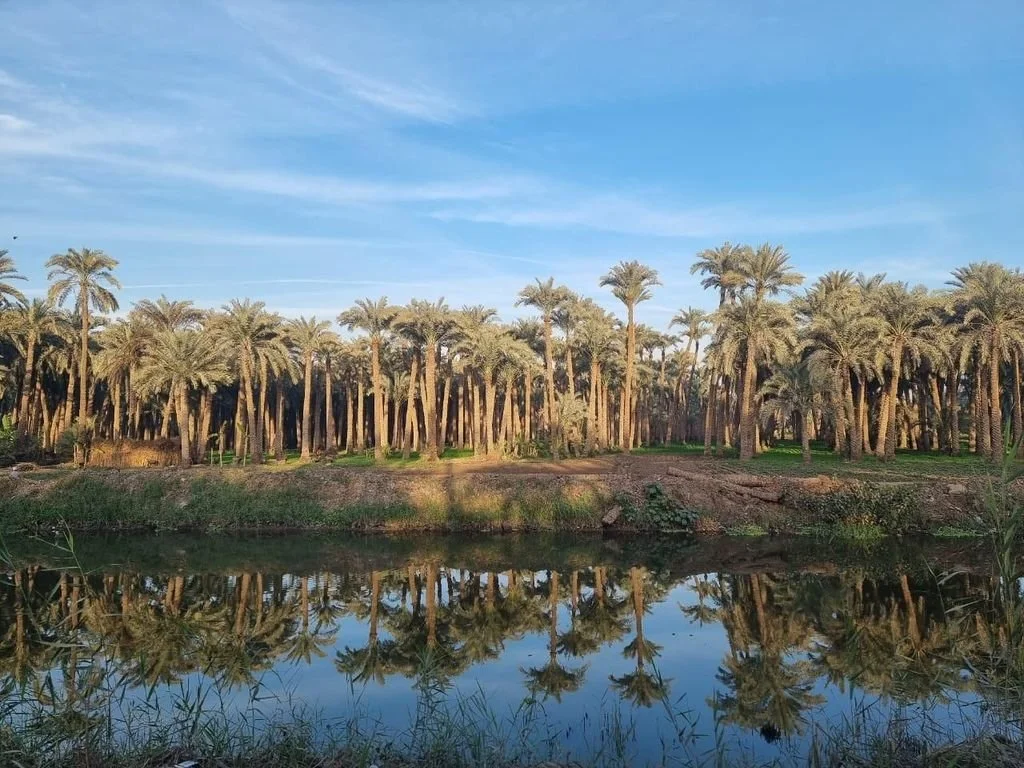
Egypt is a land shaped by the rhythm of the Nile, where water, sun, and soil have nourished civilizations for thousands of years. Today, that ancient relationship with the earth is being rediscovered through regenerative agriculture—a movement that blends ancestral wisdom with modern science to heal the land, restore biodiversity, and reconnect communities to their heritage.
Walking through lush fields outside Cairo or among desert farms in Upper Egypt, travelers witness how every seed planted carries centuries of history and a vision for the future. Here, sustainability isn’t a buzzword—it’s a living culture, mirrored in Egypt’s food, traditions, and festivals.
From Ancient Practices to Modern Regeneration
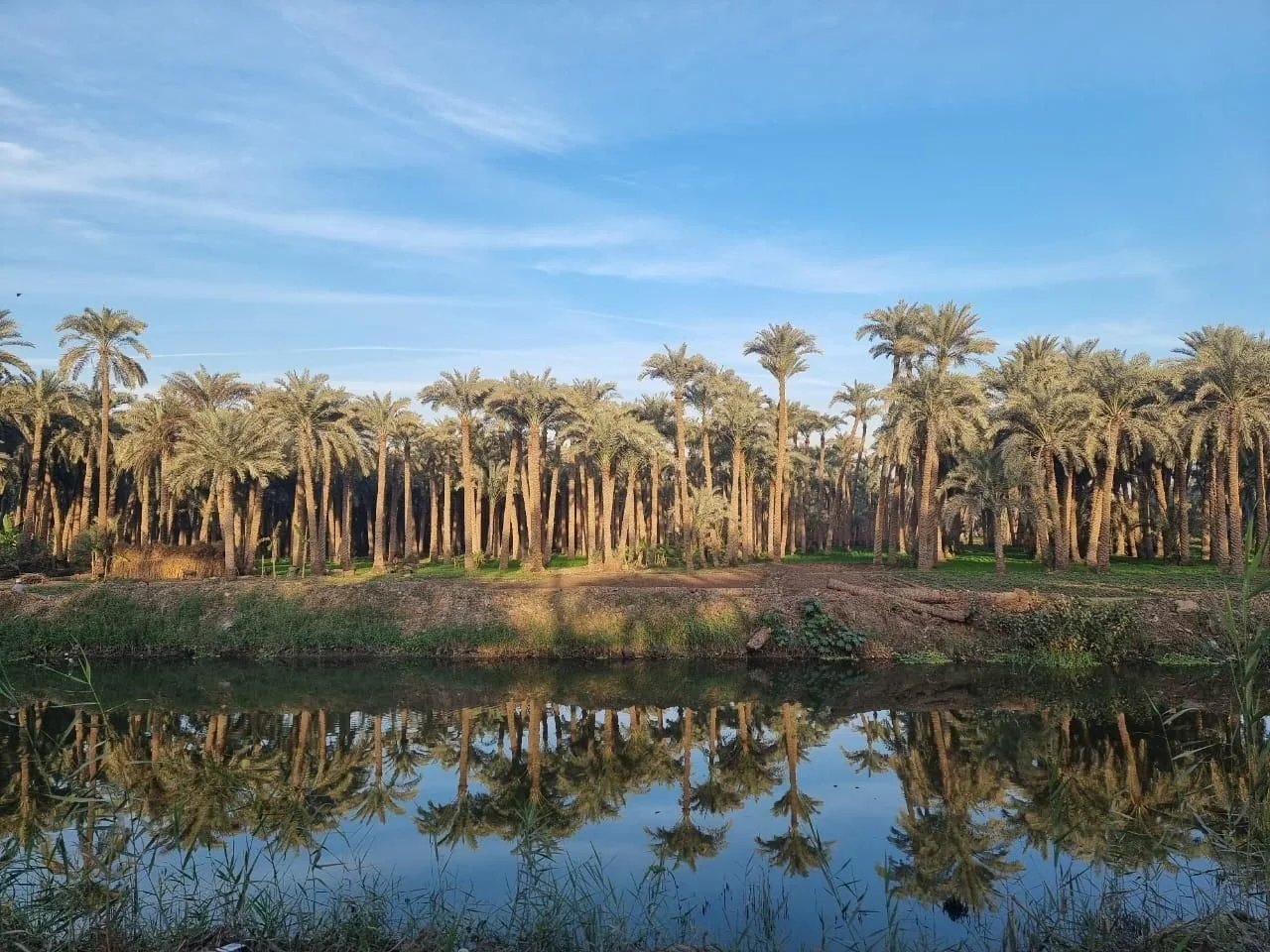
For millennia, Egyptians harnessed the Nile’s annual floods to enrich their soil and sustain their communities. The Milpa-like polyculture systems of the past ensured balance and abundance long before “regenerative” became a term in agriculture.
Today, initiatives like the SEKEM Initiative in the desert of El Minya and the Nawaya Initiative in rural villages are reviving these principles. SEKEM, founded in 1977, has transformed barren land into a thriving ecosystem of organic crops, education, and renewable energy. Walking through its sun-soaked fields, visitors see children learning alongside farmers, herbs drying in the sun, and solar panels glinting against the horizon—a perfect example of regeneration in action.
Food, Festivals, and Cultural Connection
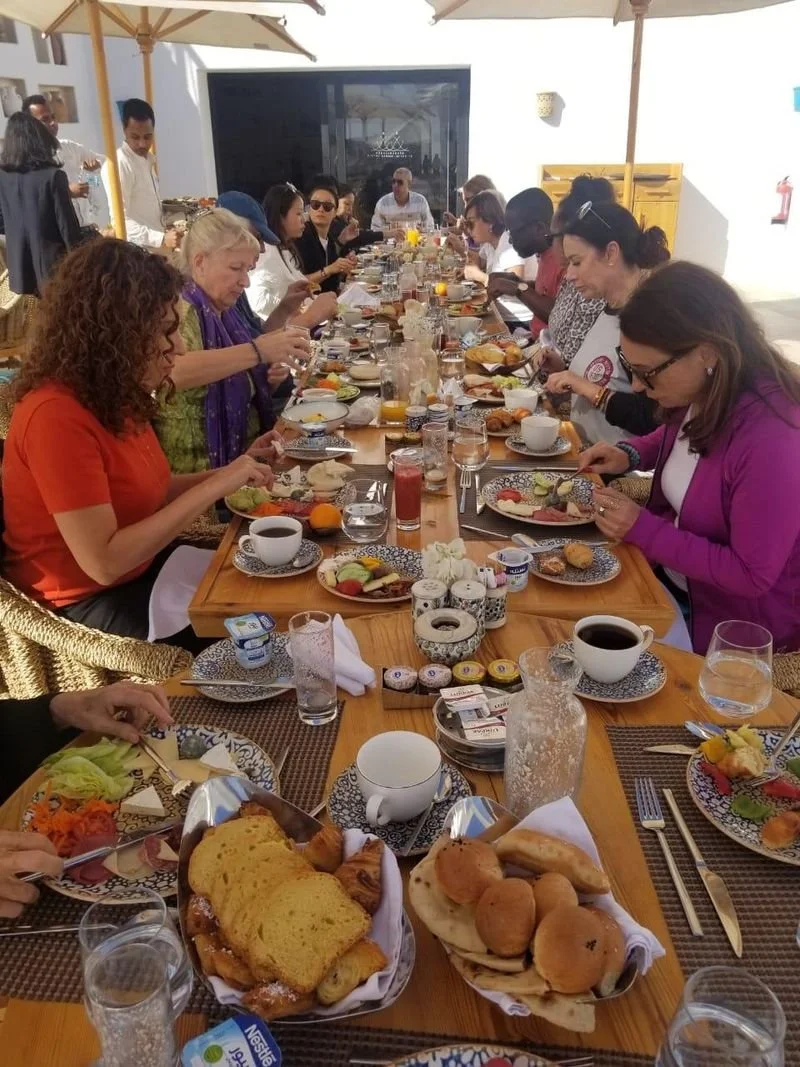
Just as Día de los Muertos celebrates the cycle of life in Mexico, Egyptian traditions honor the land’s gifts through food and ritual. Regenerative agriculture ensures that meals are more than sustenance: they are storytelling, culture, and connection.
Farmers cultivate heritage crops like ancient grains, legumes, and vegetables, preserving biodiversity while nurturing local communities. Travelers experience these flavors directly—harvesting ingredients, tasting dishes prepared farm-to-table, and learning how every choice nurtures soil, culture, and people.
Dining at a regenerative farm in Egypt, you aren’t just eating—you’re participating in a centuries-old dialogue between land, labor, and life itself.
Regeneration as a Cultural Journey
Egyptian regenerative agriculture is more than farming—it’s a reconnection to tradition, land, and each other. Local initiatives empower farmers, many women, to revive ancestral practices while creating sustainable livelihoods. Travelers who engage with these projects witness firsthand how soil restoration, community collaboration, and mindful food practices converge into a holistic, transformative experience. A clear example is Egypt’s unique positioning to become a global hub for regenerative cotton agriculture addressing environmental challenges while strengthening rural economies and sustainability across the value chain.
Through this lens, travel becomes participatory and regenerative. Every walk through the fields, every market visit, and every meal shared becomes an opportunity to engage meaningfully with culture, sustainability, and local life.
Ready to explore Egypt’s regenerative future for yourself?
A Future Rooted in Care
The story of Egypt’s regenerative agriculture is one of resilience, innovation, and hope. It’s a reminder that true sustainability grows from respect, care, and collaboration—principles that echo in every aspect of the land, from fertile Nile banks to sun-baked deserts.
For travelers, this journey isn’t just about seeing Egypt, it’s about experiencing its living culture, tasting its history, and witnessing regeneration in action.
Join us for an immersive experience through Egypt’s farms, markets, and culinary traditions. Taste sustainable harvests, learn ancient and modern techniques, and meet the changemakers reimagining the country’s relationship with the land.
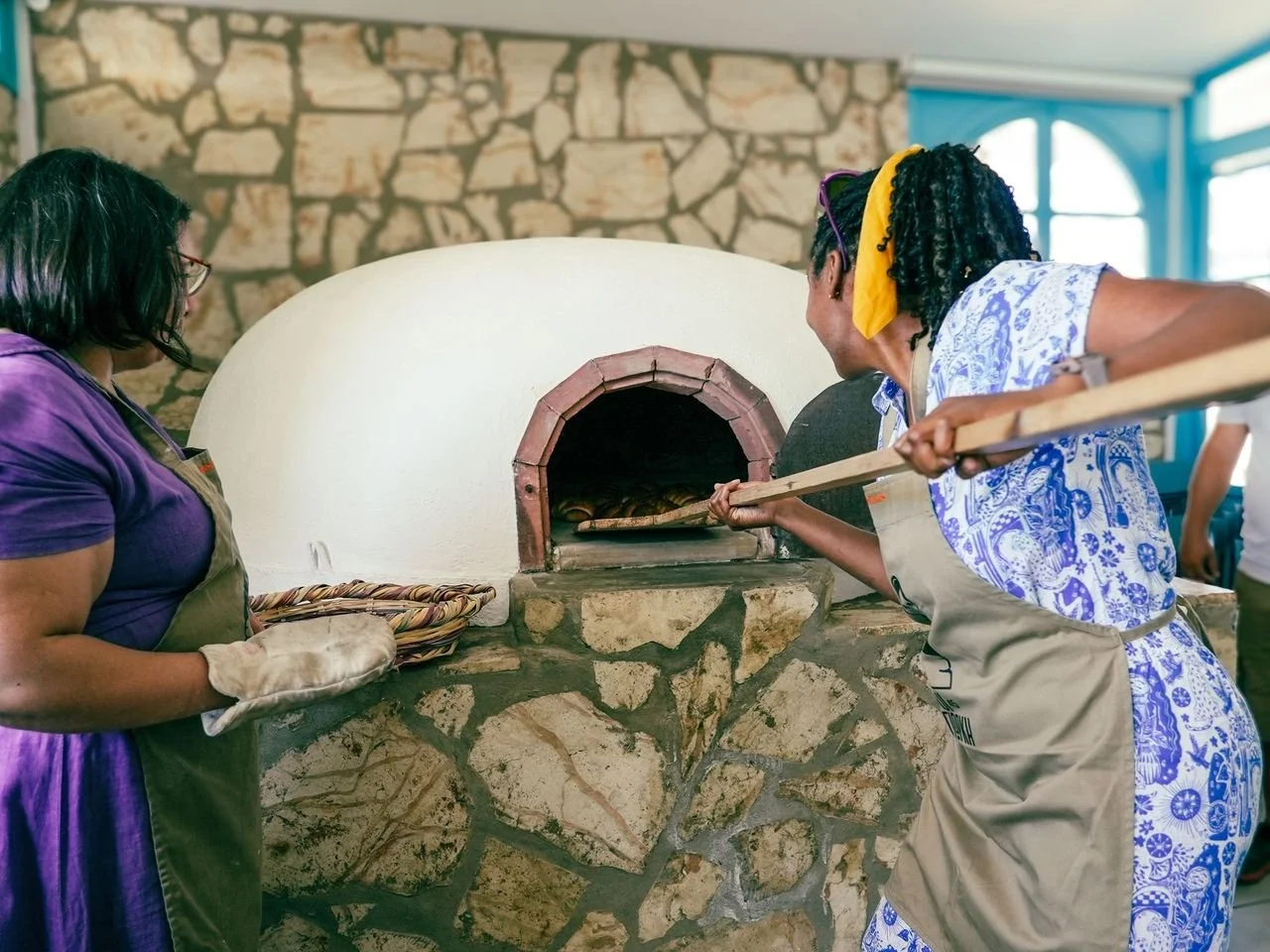





Explore Japan’s food culture, where seasonal ingredients, local traditions, and mindful preparation reveal a deeper connection to nature, history, and everyday life.