Sustainable Travel

Egypt’s Regenerative Agriculture: Cultivating Tradition, Innovation, and Sustainability

Written By: Sophie Echeverry

Egypt has always been a land shaped by the rhythm of the Nile — a place where water, soil, and sunlight come together to nourish both body and spirit. Today, that ancient relationship with the earth is being reimagined through a modern movement: regenerative agriculture. It’s a return to balance — blending ancestral wisdom with scientific innovation to heal the land, restore biodiversity, and secure food for generations to come.

A Rich Agricultural Legacy

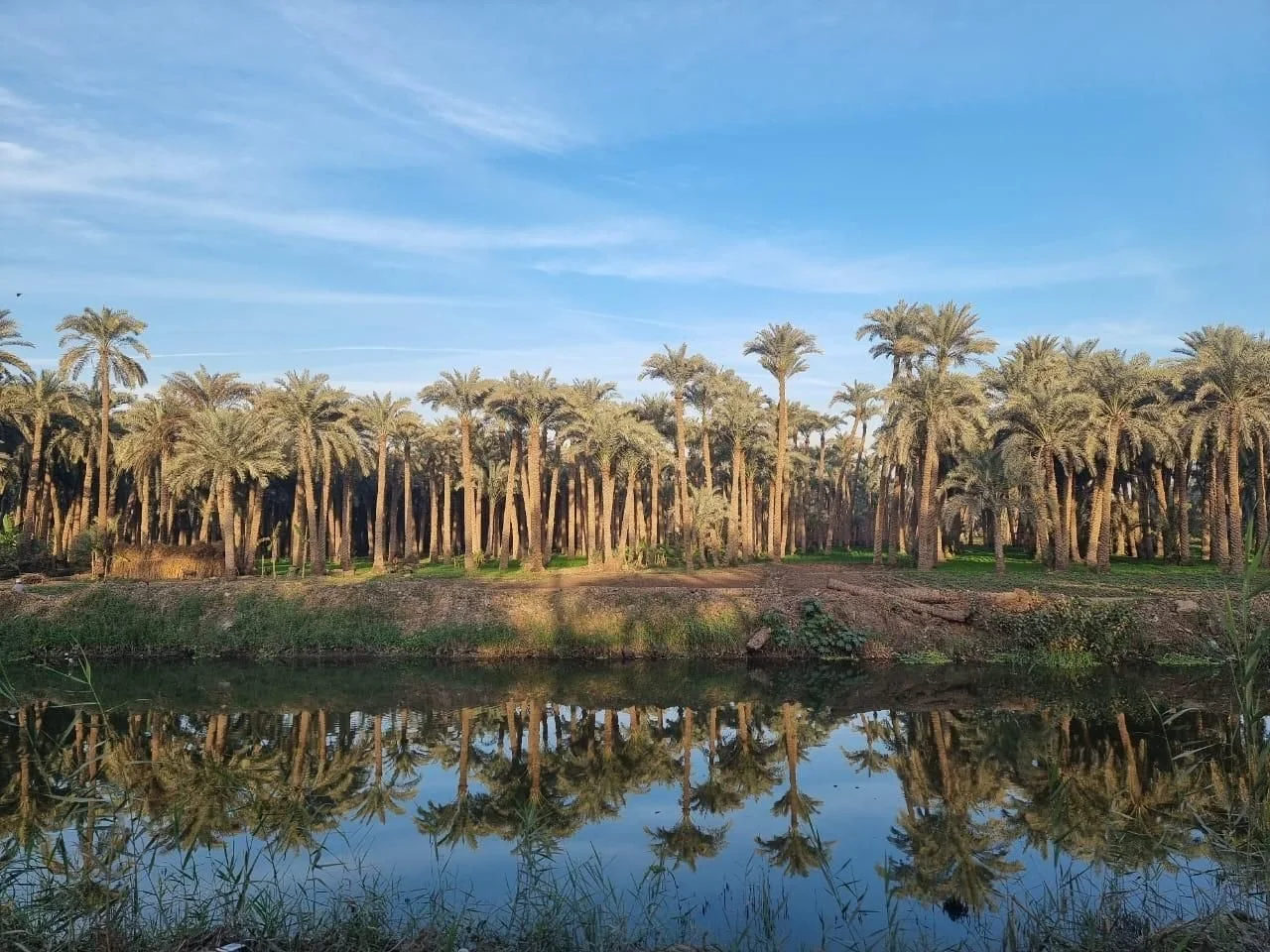
For thousands of years, Egyptians have lived by the pulse of the river. Ancient farmers mastered irrigation long before modern technology, harnessing the annual floods of the Nile to enrich their soil with life-giving silt. Their methods sustained one of the world’s oldest civilizations — and their reverence for the land laid the foundation for the sustainable farming practices Egypt is rediscovering today.

The Rise of Regenerative Practices

Fast forward to the present, and Egypt’s farmers and innovators are embracing regenerative agriculture as a way to meet some of the country’s most pressing challenges: soil degradation, water scarcity, and climate change. Instead of depleting the land, regenerative methods focus on giving back — replenishing what’s taken through crop rotation, composting, agroforestry, and natural soil restoration.

One of Egypt’s most inspiring sustainability stories begins not in a lush valley, but in the desert. In 1977, Dr. Ibrahim Abouleish founded the SEKEM Initiative, a bold vision to turn sand into soil and hope into harvest. What started as a patch of barren land has blossomed into a thriving ecosystem rooted in organic and biodynamic principles.

But SEKEM is more than a farm: it’s a living, breathing model of sustainable community life, where farming intertwines with education, healthcare, and renewable energy. Walking through its fields today, you’ll find children learning beside farmers, herbs drying in the sun, and solar panels glinting on the horizon.

Recognized by the United Nations Environment Programme as a 2024 Champion of the Earth, SEKEM stands as proof that regenerative agriculture can do more than grow crops — it can nurture communities, restore balance, and reimagine what’s possible in the desert.

Innovation Rooted in the Land

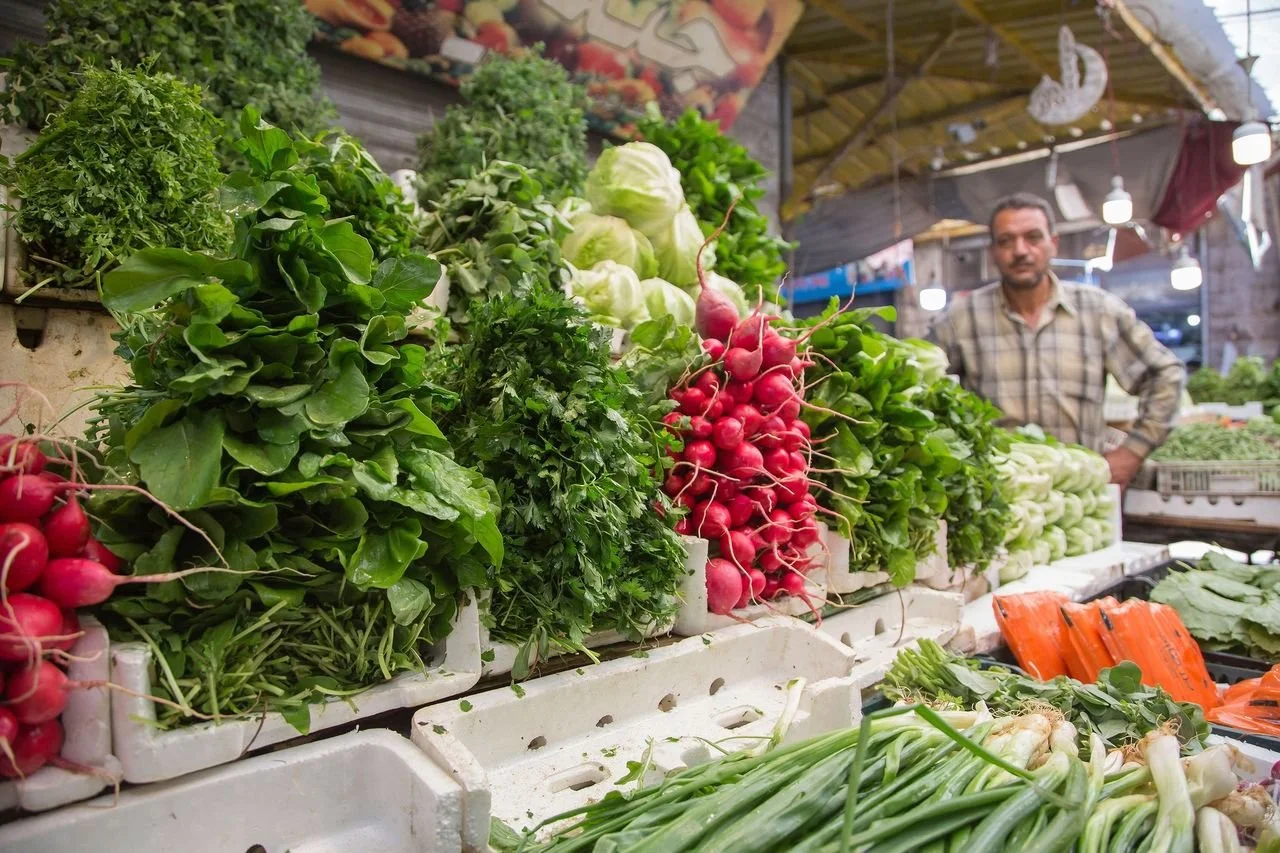
Across Egypt, farmers are weaving tradition with technology to create smarter, more sustainable ways of growing food. Drip irrigation systems deliver water directly to roots, saving precious resources in a dry climate. Drought-resistant crops and water-harvesting systems are helping communities adapt to the changing environment.

Meanwhile, innovations like biochar — a natural soil enhancer made from organic waste — are improving soil structure, increasing water retention, and boosting fertility. It’s ancient alchemy meeting modern science.

Regeneration as a Cultural Movement

Regenerative agriculture in Egypt isn’t just about farming — it’s about reconnection. It ties people back to their heritage, to the rhythms of the land, and to each other. Many of these initiatives, including the Nawaya Initiative co-founded by Laura Tabet, are led by passionate Egyptians working hand-in-hand with rural communities. Nawaya empowers small-scale farmers, many of them women, to adopt regenerative practices that restore the land while creating new income opportunities.

Through programs that support local food production and value-added goods like artisanal bread, eggs, and flour, these initiatives aren’t just rebuilding ecosystems — they’re rebuilding livelihoods.

Looking Ahead: Egypt’s Sustainable Future

The story of Egypt’s regenerative agriculture is one of resilience, creativity, and deep respect for the land. It’s a reminder that sustainability isn’t a trend — it’s a return to what’s always been true: that when we care for the earth, it cares for us.

Across fields, farms, and communities, Egyptians are cultivating more than food — they’re cultivating hope.

Ready to experience Egypt’s regenerative future for yourself? 

Join Traverse Journeys in Egypt for an immersive adventure through the country’s farms, markets, and culinary traditions. Taste the fruits of sustainable harvests, learn ancient and modern techniques, and meet the changemakers reimagining Egypt’s relationship with the land.

Women of Egypt: Past, Present & Rising

Written By: Sophie Echeverry

Egypt is a land built on stories, carved in stone, whispered through generations, and lived by women who shaped its heart. From the divine queens of the Nile to the fearless innovators of today, Egyptian women have always been builders of culture, keepers of wisdom, and voices of change. Their influence can be felt in everything — in the rhythm of the markets, the art on the walls, the books, the food, and the movements that continue to transform the nation.

This is a story about them, the women who ruled, resisted, and reimagined Egypt.

Queens, Scribes & Scholars: The Ancient Legacy

Long before the modern world began to speak of gender equality, Egypt had queens who ruled empires and priestesses who advised gods. Hatshepsut, one of the most powerful pharaohs in history, reigned in peace and prosperity, commissioning temples and trade routes that enriched the entire kingdom. Nefertari, the great royal wife of Ramses II, was celebrated for her intellect and diplomacy, her name etched on temple walls as “the one for whom the sun shines.”

Women in ancient Egypt owned land, led temples, and worked as healers and artisans. Their presence wasn’t a rebellion, it was part of life. A reflection of balance.

The echoes of those early dynasties still linger in Egyptian culture: in the resilience of women leading businesses, in the mothers who hold communities together, and in the artists, scientists, and dreamers who continue to define what it means to lead.

Group by the Egyptian Pyramids

Revolution, Rights & Rebirth

Fast forward a few thousand years, and Egyptian women are still rewriting history. In the early 20th century, Huda Sha’arawi stepped off a train in Cairo and removed her veil in public, sparking the Egyptian feminist movement. Her act was both personal and political, a declaration that women’s voices belonged in the nation’s future.

Decades later, Nawal El Saadawi, a doctor, writer, and fearless activist, picked up that torch. She wrote about women’s rights, freedom, and social justice with fierce honesty — often at great personal risk. Her novel, Woman at Point Zero, tells the haunting and powerful story of Firdaus, a woman navigating oppression, survival, and self-determination in Egypt. The book resonates far beyond its pages, inspiring generations to question, to speak, and to act. If you’re curious to dive deeper into Egyptian literature and discover other essential reads before your trip, check out our Egyptian Books for the Road Blog.

These women didn’t just dream of equality, they built it, piece by piece, through education, literature, and protest.

Innovators, Athletes & Modern Pioneers

Today’s Egyptian women continue to expand what’s possible. They’re coding, cooking, climbing, and changing narratives.

Nour Emam, founder of Mother Being, is breaking taboos around reproductive health and empowering women to speak openly about their bodies. Her platform blends education with empathy, a modern act of revolution.

Heba Elsewedy, known as the “Mother of the Revolution,” turned her compassion into action by founding the Ahl Masr Foundation to support burn victims and families in need.

In sports, Farida Osman, the “Golden Fish of Egypt,” became the country’s first world-class swimmer to win multiple World Championship medals, showing young women that excellence knows no limits.

In the culinary world, Chef Amira Elhamy is redefining Egypt's gastronomic landscape. Founder of Bongoyo, a restaurant that explores the rich flavors of Sub-Saharan Africa, Elhamy combines her formal training from Leiths School of Food & Wine in London with a passion for sustainable and innovative cooking. Her approach honors traditional ingredients while embracing modern culinary techniques, reflecting a commitment to both heritage and sustainability.

Woman making bread in Nubian Village

Building Futures: Women Leading Sustainability & Innovation

Beyond the spotlight, women are at the forefront of transforming Egypt’s economy and environment. As we explored in our food blog, initiatives like Nawaya are part of this movement, connecting agriculture, tradition, and innovation.

The Nawaya Initiative, co-founded by Laura Tabet, empowers small-scale farmers, many of whom are women, to adopt regenerative agriculture practices that restore the land and promote healthier, more traditional eating habits. Curious enough? Explore our most recent blog on Egypt’s Food Culture.

Another inspiring example is Dr. Amal Saber Mohammed, a distinguished researcher at the Agricultural Research Center (ARC), who leads the Egyptian Women in Rural Economic Development project. This initiative equips women with skills in agricultural technology, enabling them to actively participate in sustainable economic activities and make a meaningful impact on Egypt’s agricultural landscape.


Together, these projects show how women are shaping Egypt’s future, blending tradition, innovation, and sustainability. They remind us that creation, whether through food, agriculture, or community, is sacred work deeply rooted in Egyptian culture.

Ready to explore Egypt through the stories, flavors, and innovations led by women? Join us for an unforgettable adventure. Dive into the full itinerary and secure your spot today.

Taste, see, and feel Egypt like never before. 

Ultimate Guide to The Best Vegan Travel Destinations

Ultimate Guide to The Best Vegan Travel Destinations

Traveling as a vegan or vegetarian may seem daunting at first, but it is definitely an experience worth taking. The diverse array of plant-based cuisine around the world offer unique culinary flavors, and it has become increasingly easier due to the to the growing awareness of ethical and environmental concerns. By selecting the right destination and immersing in the local food culture while embracing the vibrant flavors of plant-based cuisine, vegan and vegetarian travelers can enrich their travel experiences while staying true to their dietary values.

15 Ways to Reduce Plastic Use While Traveling

15 Ways to Reduce Plastic Use While Traveling

It's no secret that traveling can have a significant impact on the environment, particularly when it comes to plastic waste. From single-use water bottles to plastic cutlery and packaging, it's easy to accumulate a lot of plastic while on the go. Searching for more ways to reduce plastic waste while traveling? Traverse Journeys has got you covered!

15 of our favorite eco-friendly travel products

15 of our favorite eco-friendly travel products

Eco-friendly travel products are essential for those who want to make a positive environmental impact while traveling. Not only do they reduce our plastic consumption and waste, but they are often made with sustainable materials that are better for the planet. This is at the forefront of every trip we plan at Traverse Journeys.

15 Ecotourism Activities Around the World

15 Ecotourism Activities Around the World

Ecotourism is a form of responsible travel that focuses on preserving the natural environment and its cultural heritage. This type of travel encourages travelers to explore and engage with nature in an environmentally sustainable way, while also supporting local communities. Whether you’re looking for an active outdoor experience or simply want to immerse yourself in a new culture, there is no shortage of exciting ecotourism activities around the world.

Sustainable Travel Products You Need For Your Next Trip

Sustainable Travel Products You Need For Your Next Trip

Sustainable travel requires us to plan ahead. Packing sustainable travel gear ahead of time will help you lessen your environmental impact. From travel items that reduce plastic consumption and waste, to eco-friendly toiletries, yoga goods and hiking gear, we’ve compiled a list of our favorite sustainable travel gear for you to check out!

Overtourism vs Undertourism: What's the Difference?

Overtourism vs Undertourism: What's the Difference?

Addressing overtourism and undertourism is a responsibility travelers need to keep in mind to protect our unique, beautiful and rich planet. Whether a destination is looking to attract more or fewer visitors, we can help by knowing where and how to spend our time and money. Implementing mindful activities that will support sustainable development in each destination is the best way to ensure your trip has a positive impact.

Best Sustainable Tours Around the World

Best Sustainable Tours Around the World

Finding sustainable tours is a great way to incorporate the three pillars of sustainable travel: social, economic, and environmental. Although the reduction of waste and carbon footprint is a priority, it is equally important to leave a positive impact on local communities and cultures. These are some of the best sustainable travel tours we lead around the world:

Best Slow Travel Experiences Around the World

Best Slow Travel Experiences Around the World

Besides being ‘slower’, the slow-traveling approach also involves prioritizing meaningful travel experiences and learning how to connect with locals, their culture, food, and music, while practicing sustainability and seeking positive impacts for the local communities and their environment. Check out our top recommendations for slow travel experiences around the world!

What is Slow Travel?

What is Slow Travel?

For many, part of the reason to go on vacation is to destress and relax, so how come so many people end up coming back more tired than ever? Traveling to all the main tourist locations may be part of the experience when visiting a new location, however, have you ever wondered what is really the best way to truly enjoy a country’s culture? Well, the answer is: slow travel!

Best Slow Travel Destinations in Latin America

Best Slow Travel Destinations in Latin America

As the name suggests, the slow travel trend encourages travelers to slow down and take their time while traveling rather than speed through as many sites and activities as possible, but slow travel is also about more than the pace. The slow travel mindset aims to show travelers that taking a step back from the tourist traps and the Insta-worthy locations will provide them with truly impactful and lasting memories. Read on for some of our favorite slow travel destinations & experiences in Latin America!

The difference between group tours, self-guided tours, and custom tours

The difference between group tours, self-guided tours, and custom tours

With so many options these days on how to travel, the planning can be daunting. Where do I want to go and in what season? When do I have enough time off from work? Do I go alone or with a travel buddy? Do we do a packaged tour or make our own plans? Here are all the details on guided small group tours, self-guided and self-drive tours and custom trips.