
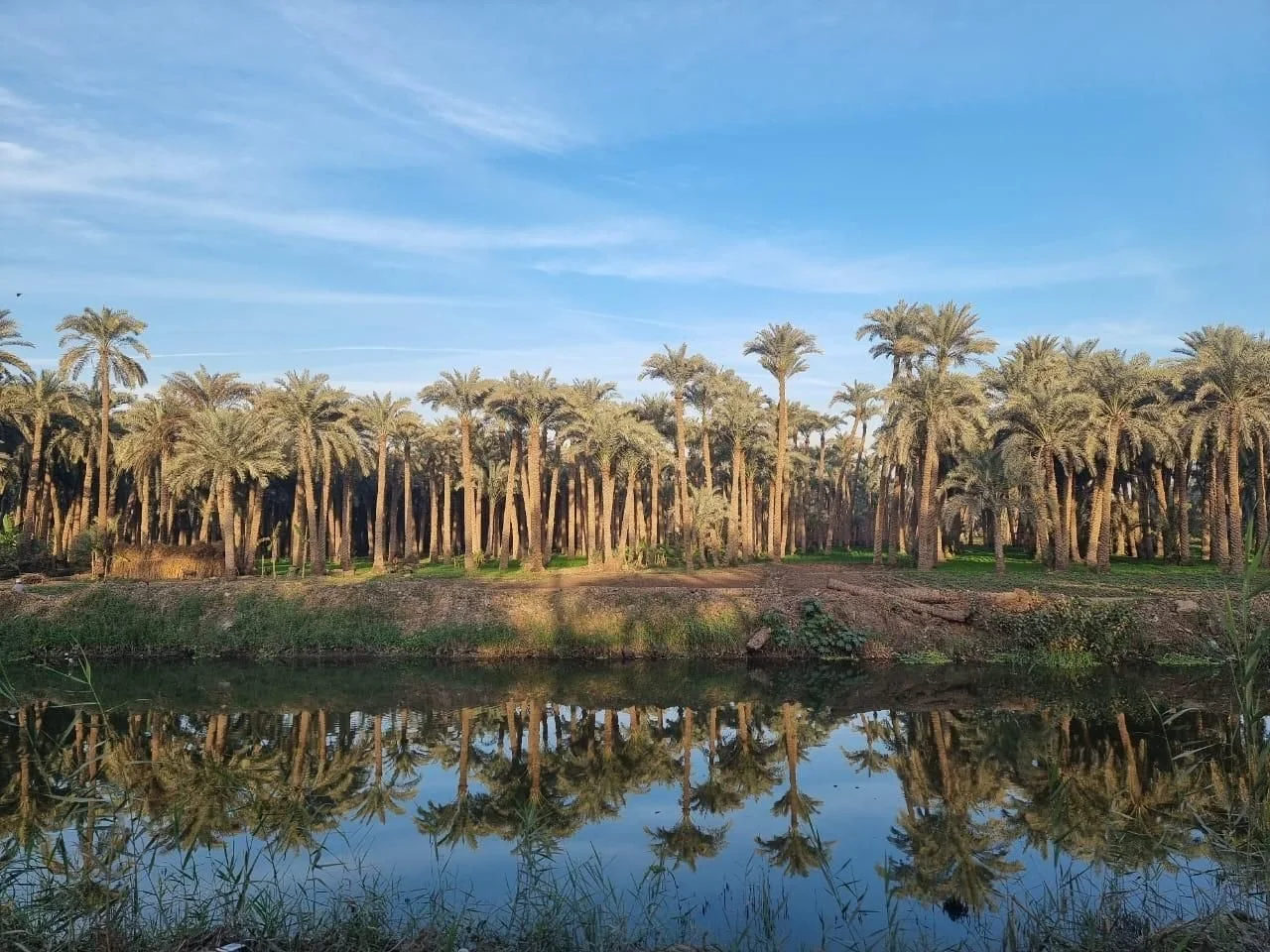
Egypt’s Regenerative Agriculture: A Sustainable Travel Perspective
Written By: Sophie Echeverry
Egypt has always been a land shaped by the rhythm of the Nile — a place where water, soil, and sunlight come together to nourish both body and spirit. Today, that ancient relationship with the earth is being reimagined through a modern movement: regenerative agriculture. It’s a return to balance — blending ancestral wisdom with scientific innovation to heal the land, restore biodiversity, and secure food for generations to come.
A Rich Agricultural Legacy
For thousands of years, Egyptians have lived by the pulse of the river. Ancient farmers mastered irrigation long before modern technology, harnessing the annual floods of the Nile to enrich their soil with life-giving silt. Their methods sustained one of the world’s oldest civilizations — and their reverence for the land laid the foundation for the sustainable farming practices Egypt is rediscovering today.
The Rise of Regenerative Practices
Fast forward to the present, and Egypt’s farmers and innovators are embracing regenerative agriculture as a way to meet some of the country’s most pressing challenges: soil degradation, water scarcity, and climate change. Instead of depleting the land, regenerative methods focus on giving back — replenishing what’s taken through crop rotation, composting, agroforestry, and natural soil restoration.
One of Egypt’s most inspiring sustainability stories begins not in a lush valley, but in the desert. In 1977, Dr. Ibrahim Abouleish founded the SEKEM Initiative, a bold vision to turn sand into soil and hope into harvest. What started as a patch of barren land has blossomed into a thriving ecosystem rooted in organic and biodynamic principles.
But SEKEM is more than a farm: it’s a living, breathing model of sustainable community life, where farming intertwines with education, healthcare, and renewable energy. Walking through its fields today, you’ll find children learning beside farmers, herbs drying in the sun, and solar panels glinting on the horizon.
Recognized by the United Nations Environment Programme as a 2024 Champion of the Earth, SEKEM stands as proof that regenerative agriculture can do more than grow crops — it can nurture communities, restore balance, and reimagine what’s possible in the desert.
Innovation Rooted in the Land

Across Egypt, farmers are weaving tradition with technology to create smarter, more sustainable ways of growing food. Drip irrigation systems deliver water directly to roots, saving precious resources in a dry climate. Drought-resistant crops and water-harvesting systems are helping communities adapt to the changing environment.
Meanwhile, innovations like biochar, a natural soil enhancer made from organic waste, are improving soil structure, increasing water retention, and boosting fertility. It's ancient alchemy meeting modern science.
Regeneration as a Cultural Movement
Regenerative agriculture in Egypt isn’t just about farming — it’s about reconnection. It ties people back to their heritage, to the rhythms of the land, and to each other. Many of these initiatives, including the Nawaya Initiative co-founded by Laura Tabet, are led by passionate Egyptians working hand-in-hand with rural communities. Nawaya empowers small-scale farmers, many of them women, to adopt regenerative practices that restore the land while creating new income opportunities.
Through programs that support local food production and value-added goods like artisanal bread, eggs, and flour, these initiatives aren’t just rebuilding ecosystems — they’re rebuilding livelihoods.
Looking Ahead: Egypt’s Sustainable Future
The story of Egypt’s regenerative agriculture is one of resilience, creativity, and deep respect for the land. It’s a reminder that sustainability isn’t a trend — it’s a return to what’s always been true: that when we care for the earth, it cares for us.
Across fields, farms, and communities, Egyptians are cultivating more than food — they’re cultivating hope.
Join Traverse Journeys in Egypt for an immersive adventure through the country’s farms, markets, and culinary traditions. Taste the fruits of sustainable harvests, learn ancient and modern techniques, and meet the changemakers reimagining Egypt’s relationship with the land.
MORE BLOGS like this
FAQs
-
Regenerative agriculture is a farming approach that goes beyond sustaining the land to actively restoring it — rebuilding soil health, increasing biodiversity, and improving water retention through methods like composting, crop rotation, and agroforestry.
-
Yes. Egypt has become a notable hub for regenerative farming, with pioneering projects like the SEKEM Initiative and the Nawaya Initiative demonstrating how desert and Nile-adjacent land can be restored using organic, biodynamic, and water-conscious techniques.
-
SEKEM is an Egyptian organization founded in 1977 by Dr. Ibrahim Abouleish that transformed desert land into a thriving organic and biodynamic farming community. It also integrates education, healthcare, and renewable energy, and was named a 2024 UN Champion of the Earth.
-
Nawaya is an Egyptian organization, co-founded by Laura Tabet, that works directly with small-scale and women-led farms to adopt regenerative practices, helping restore land while creating new income through local food production and artisanal goods.
-
Techniques such as drip irrigation, water-harvesting systems, drought-resistant crops, and biochar-enriched soil all help farms use significantly less water while retaining more moisture in the ground.
-
Biochar is a soil enhancer made from organic waste. In Egypt's arid climate, it's used to improve soil structure, boost water retention, and increase long-term fertility.
-
Yes. Sustainable travel operators now offer itineraries that include visits to regenerative farms, local markets, and culinary experiences, allowing travelers to meet the farmers and communities driving this movement.
-
Organic farming focuses on avoiding synthetic chemicals, while regenerative agriculture goes further by actively rebuilding soil health and ecosystem balance — organic practices are often one part of a broader regenerative approach.




Discover Egypt’s regenerative agriculture movement—where ancient farming wisdom meets modern innovation. Explore sustainable farms, local changemakers, and eco-friendly traditions with Traverse Journeys.