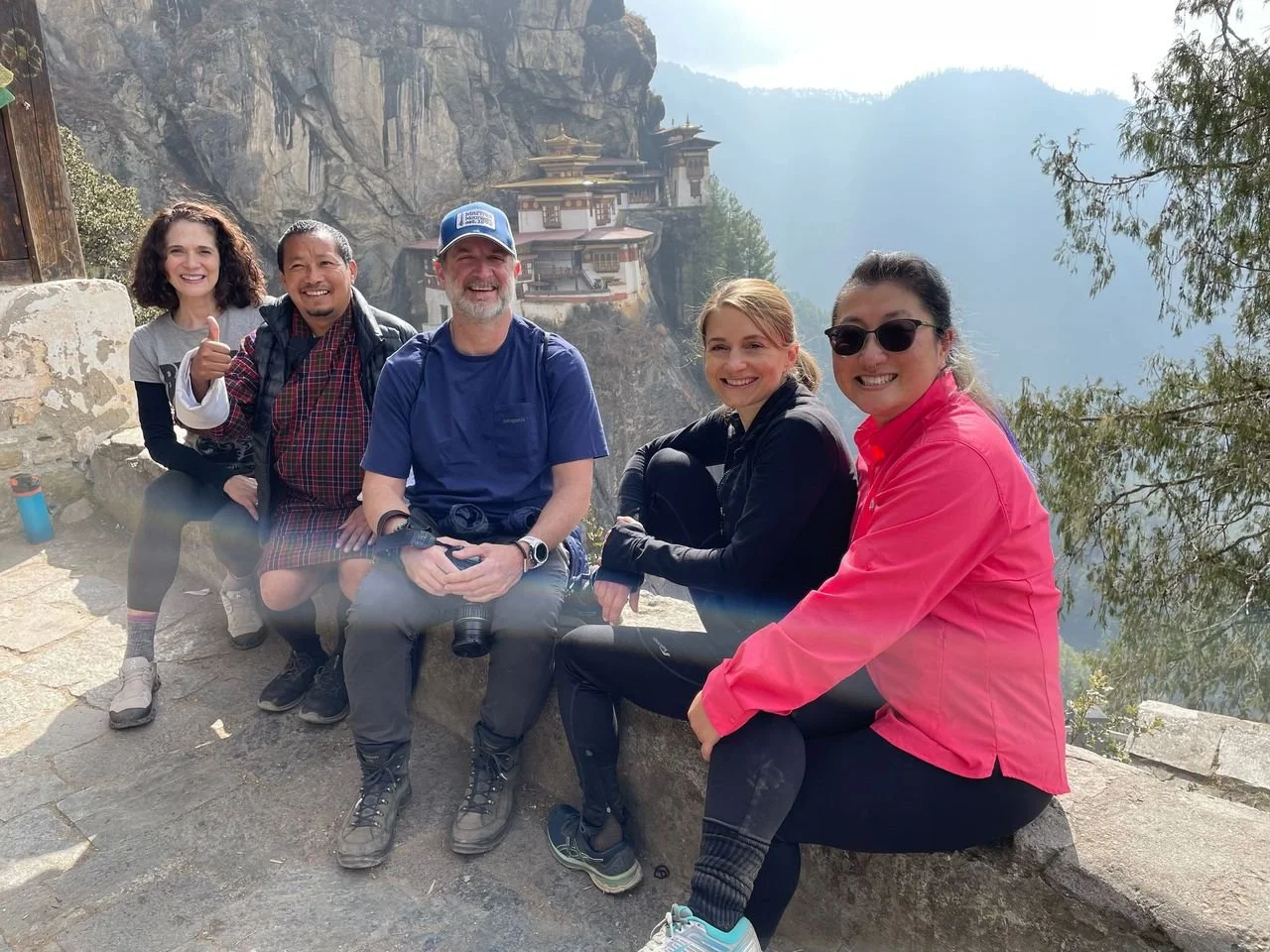
Discover how to spend 5 days in Bhutan with monasteries, mountain passes, and cultural immersion in Paro, Thimphu, and Punakha.

Blog
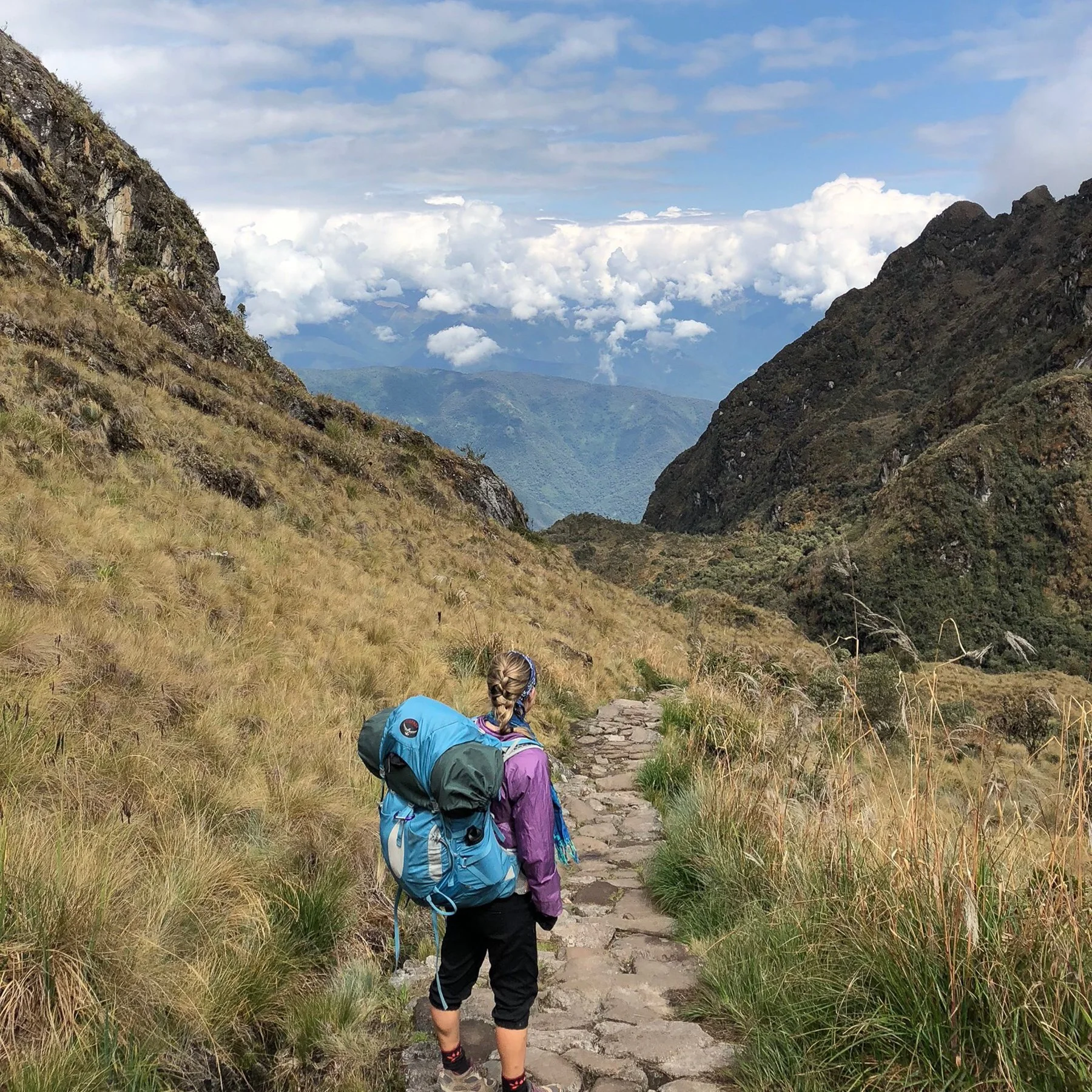
What to bring on a hiking trip will truly impact your experience. You want to have the right gear you need to take care of your body while hiking while also respecting the local destination and environment. To ensure a safe and successful hiking trip you’ll want to pack the right essentials for the occasion.
Patagonia is an incredible region to visit for many reasons, not least of which is the vast number of glaciers found within its expansive landscapes. Among the impressive ice fields of Patagonia you’ll find Glacier Grey, a massive piece of ice located in the Torre del Paine National Park. Find out everything you need to know before visiting this icy giant!
Patagonia’s remote and wild location give it an allure that calls out to many travelers - from those seeking challenging multi-day treks, glacial adventures, wildlife enthusiasts or simply those who want to soak in the unparalleled natural beauty, unique cultural customs, and fascinating history. For anyone who wants to fully explore and immerse themselves at the end of the world, check out our tips and trick on how to create the best itinerary in this dramatic location.
Home to more than 500,000 species and boasting some of the most bio-diverse regions on the planet, Costa Rica is a dream come true for nature enthusiasts. Guided walks with experts will have you spotting everything from charming sloths and monkeys to tiny tree frogs or perhaps hatching baby sea turtles. Deserving of the description by National Geographic as "The most biologically intense place on earth” you can be fairly confident that any trip to Costa Rica’s rainforests and coastlines will be full of opportunities to spot unique wildlife!
Trekking in Nepal is on people’s bucket list for a reason. Not only does it introduce you to a one of a kind adventures in an ancient land and culture, but it is also an unforgettable experience in nature with both jungle and mountainous terrain. Exposing yourself to the home of the Himalayas is being open to the idea of a physical, mental and emotional challenge. With its potholed roads, torrential rains, many bugs (yes!), extreme temperatures, and challenging trekking routes Nepal is not for the faint of heart. That said, the incredible vistas, heartwarming locals, and deep-rooted culture make every minute worth it.
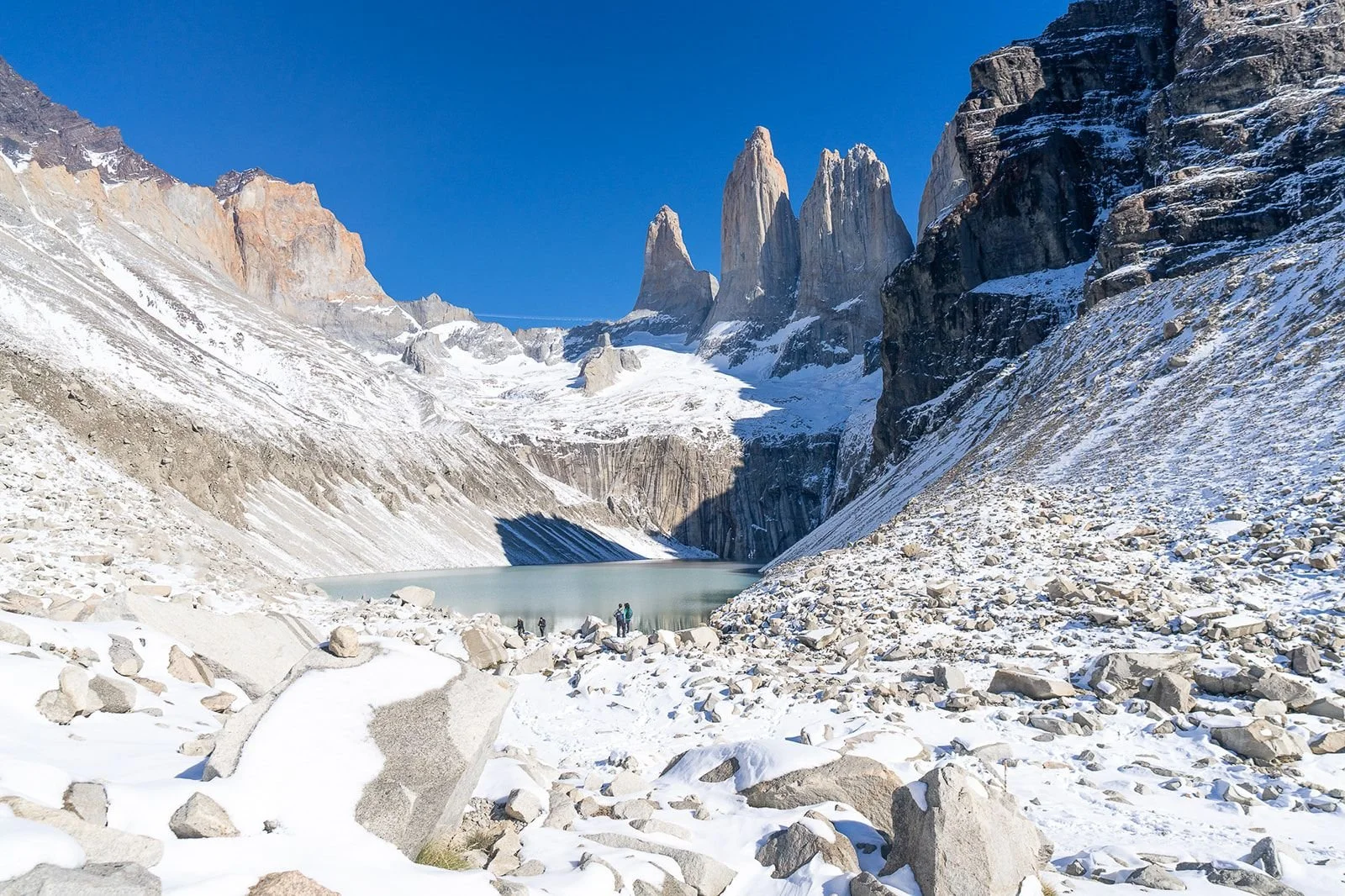
Located at the southern tip of South America, Torres del Paine in Patagonia, is a trekker’s dream come true. After going there ourselves, we can assure you that this hike can be done by anyone willing to hike for 4-6 hours a day. To make it even easier, here are 5 tips for planning your visit one of the world’s natural wonders:
We sat down with Gina Cornejo - yoga instructor extraordinaire for our Retreat to Spain trip which is focused in the Camino region - to delve into her knowledge and experiences of the Camino de Santiago. Her multiple trips and hikes along different routes of the Camino have given her a wonderful insight in to the region, the history, and most importantly the feeling of what it’s like to explore this pilgrim’s path.
After calling Aotearoa (the Māori name for New Zealand) home for almost two years, I've experienced my fair share of nature's great wonders. Here, I list my 10 must-see spots for nature lovers in New Zealand from a locals’ perspective. No doubt after reading through the following you’ll understand New Zealand’s status as the most naturally beautiful country in the world!
We absolutely love Morocco, from its stunning landscapes, to its fresh, seasonal foods and its incredible artisan crafts. We chatted with our local guide Adil to see what he loves most about his country, and why he wants to share it with the world. Here’s what he had to say, from the eyes of a local.
Urban explorer, history buff and world travel blogger Brian Cicioni shares his 6 tips on a destination we love, Cambodia, to deepen your experience there.
Adventure enthusiast and world traveler Liz Galloway shares 8 reasons behind her passion travel as well as fantastic tips that we can all learn from. Her personal travel formula? Dream. Plan. Go. Learn. Share. Change. Yes, please!
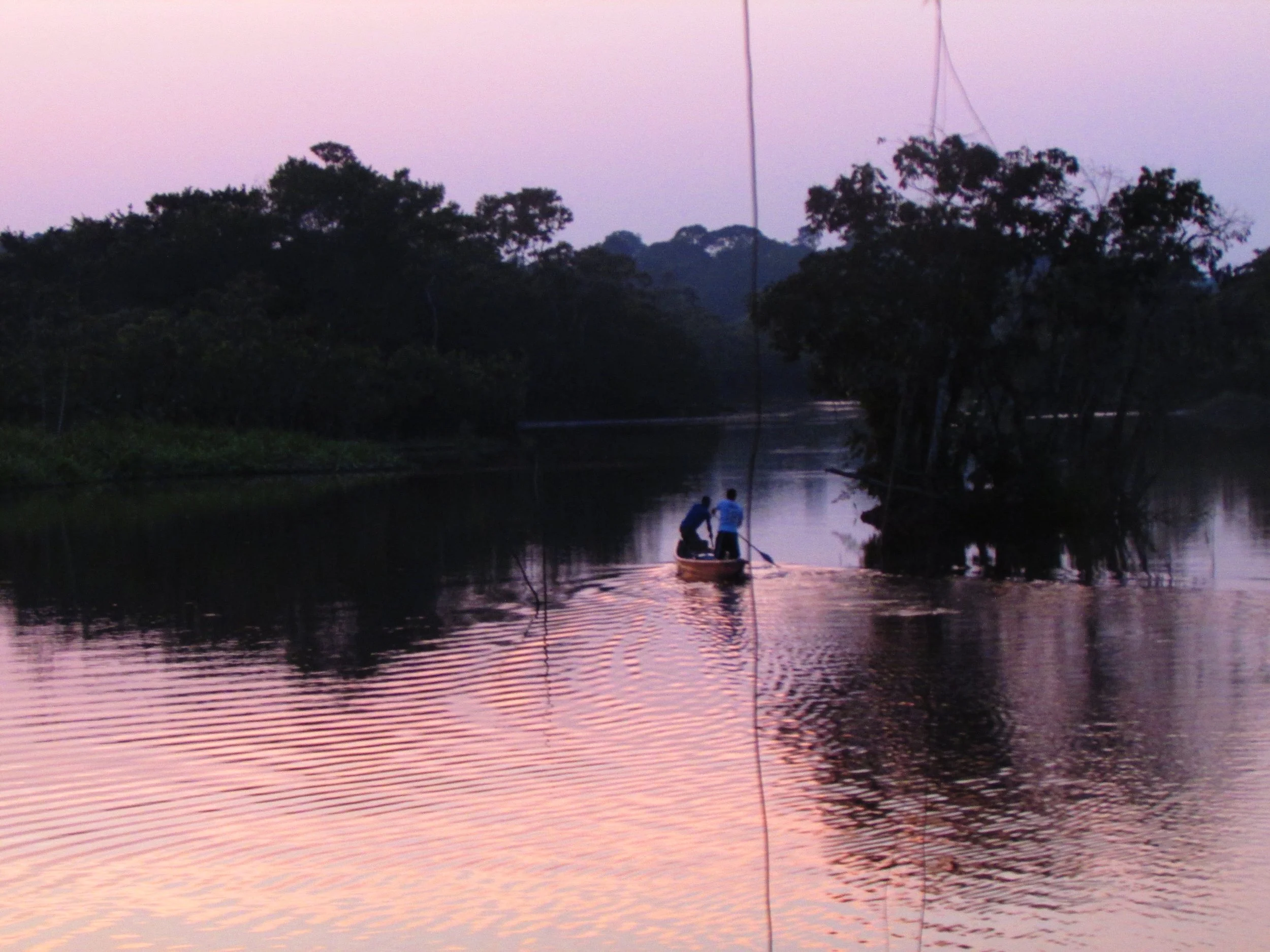
When we think of the Amazon rainforest, we tend conjure up images of vibrant plants and exotic animals. But in addition to the captivating scenes of nature, there’s much more: community and people. We asked Evan Delahanty, founder of Peaceful Fruits - our Ecuador trip sponsor - what he cherished most in his two years living in the Amazon while serving in the Peace Corp and here’s what he said.




Traverse Journeys — Travel That Transforms. A female-founded travel company offering small group trips, women's retreats, and self-guided itineraries in 25+ destinations across Latin America, Europe, Asia, Africa, and the Middle East. Mindfully crafted adventures centered on human connection, responsible travel, and community giveback.
Destinations: Americas
Costa Rica Eco Tour
Chile & Patagonia Tour
Dominica Island Retreat
Guatemala Yoga Retreat
Mexico Yoga Retreat
Mexico Día de Muertos Retreat
Mexico Monarch Butterfly Retreat
Peru: Machu Picchu & Cusco Tour
Hawaii: Kauai Tour
Destinations: Europe
Balkans Retreat
Croatia Tour
Cyprus Retreat
France Retreat
Germany Retreat
Greece Sailing Tour
Iceland Tour
Ireland Self-Drive Tour
Italy Tours
Southern Italy & Amalfi Coast Tour
Montenegro Tour
Portugal Tour
Asia, Africa & Middle East
Bhutan Tour
Everest Base Camp Trek
Nepal Tour
India Eco Tour
Japan Tour
New Zealand Tour
Egypt Tour
Jordan Tour
Morocco Tours
Tanzania Safari