
Taste the Islands: How Hawai‘i’s Food Culture Differs, and Why It Matters
Written by: Sophie Echeverry
Aloha, From the Table
Close your eyes and imagine this: the salt-tinged breeze of the Pacific, the sweetness of sun-warmed mango on your tongue, the low hum of waves as a local farmer shares stories of his family’s taro fields. This is Hawai‘i, not just the resort version, but the real one, where every flavor is tied to the land and every meal begins with gratitude.
In the islands, food isn’t just sustenance. It’s a language. One that speaks of migration and memory, of community and care. It tells the story of the land (ʻāina), the ocean that surrounds it, and the generations of people who have tended both with reverence.
To understand Hawai‘i, you have to taste it slowly. Wander the farmers’ markets, breathe in the scent of guava and ginger, and listen to the stories behind each dish. Eating here is an act of connection — a way to honor the place and the people who make it thrive.
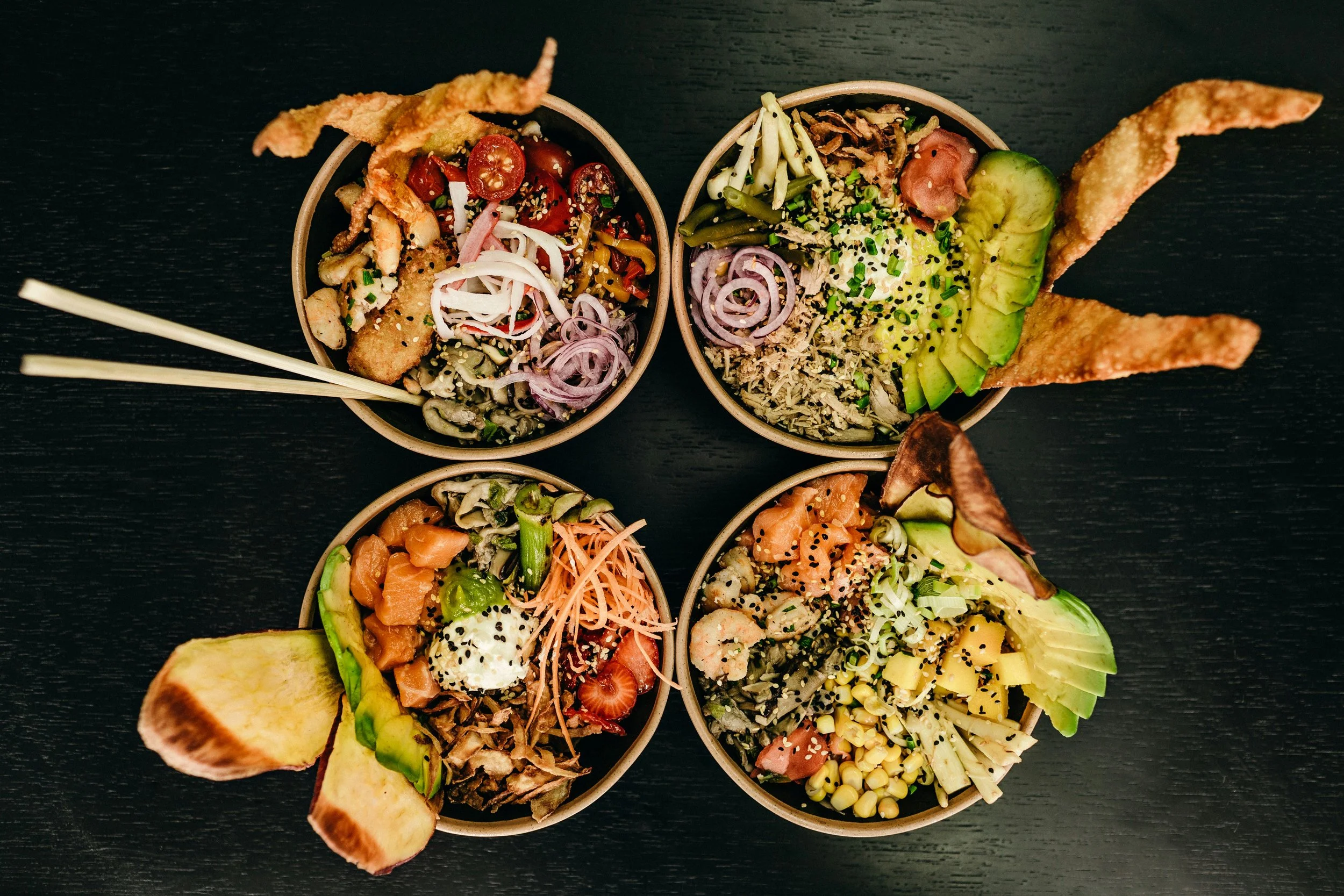
Photo by Jonathan Borba in Unsplash
A Melting Pot of Traditions: Hawai‘i’s Culinary Roots
Hawai‘i’s cuisine is a living reflection of its history, a centuries-long conversation between cultures, climates, and communities. Long before “fusion food” became a global trend, the islands had already perfected it, blending influences from across the Pacific and beyond into something uniquely their own.
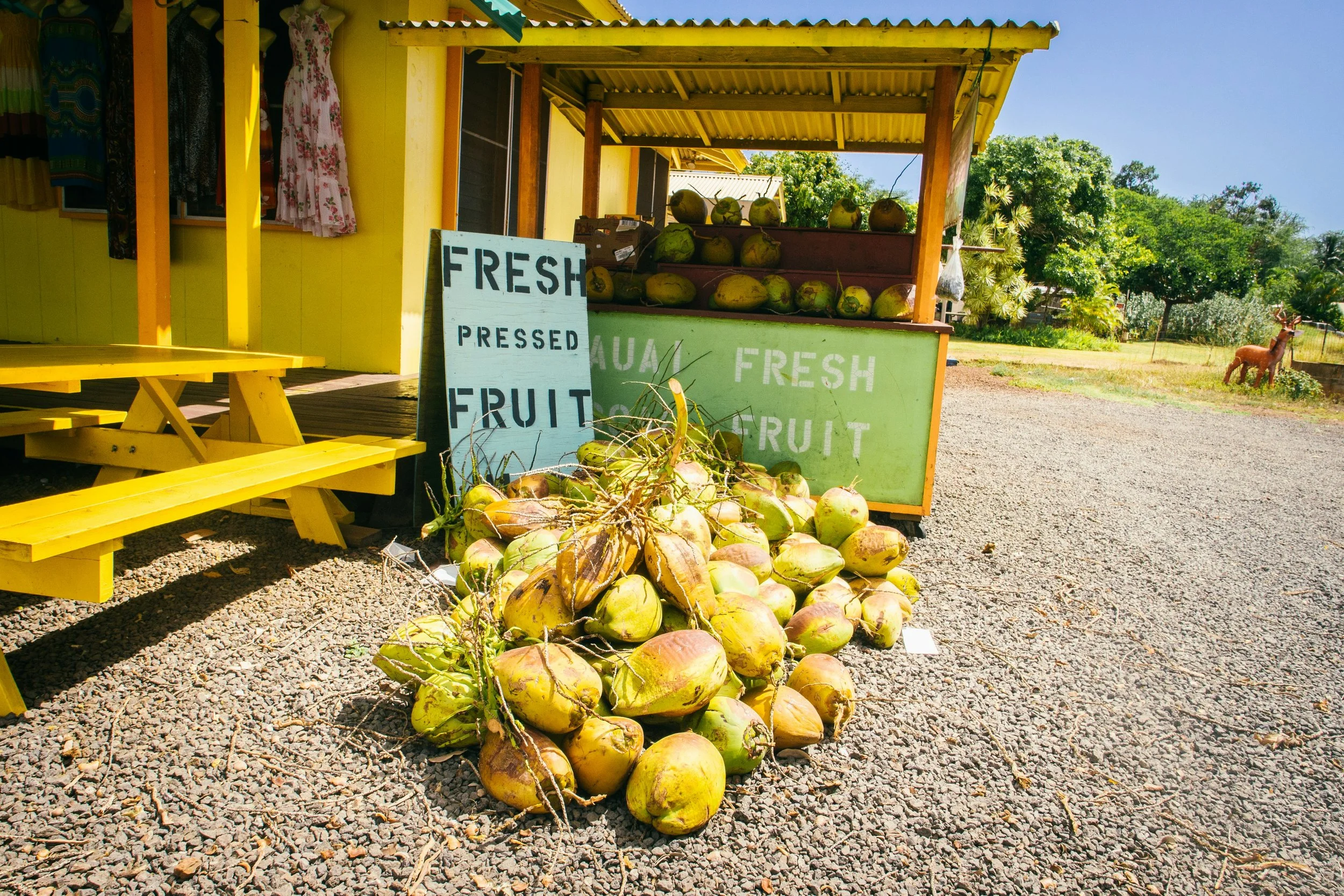
The first Polynesian voyagers brought staples like kalo (taro), coconut, and breadfruit. These plants were chosen not only for nourishment, but for their ability to thrive in balance with the environment. Generations later, immigrants from Japan, China, Portugal, the Philippines, and Puerto Rico arrived to work the plantations. They carried recipes, spices, and traditions that intertwined: Japanese bento met Portuguese malasadas, Filipino adobo simmered alongside Hawaiian poke, and the humble plate lunch became a symbol of community and cultural exchange.
Each dish tells a story of survival, creativity, and shared labor. The loco moco speaks of comfort and ingenuity; spam musubi of resourcefulness and adaptation. What ties them all together is not extravagance, but heart. In Hawai‘i, food has always been about more than flavor. It’s about the relationships it sustains between people, the planet, and their purpose.
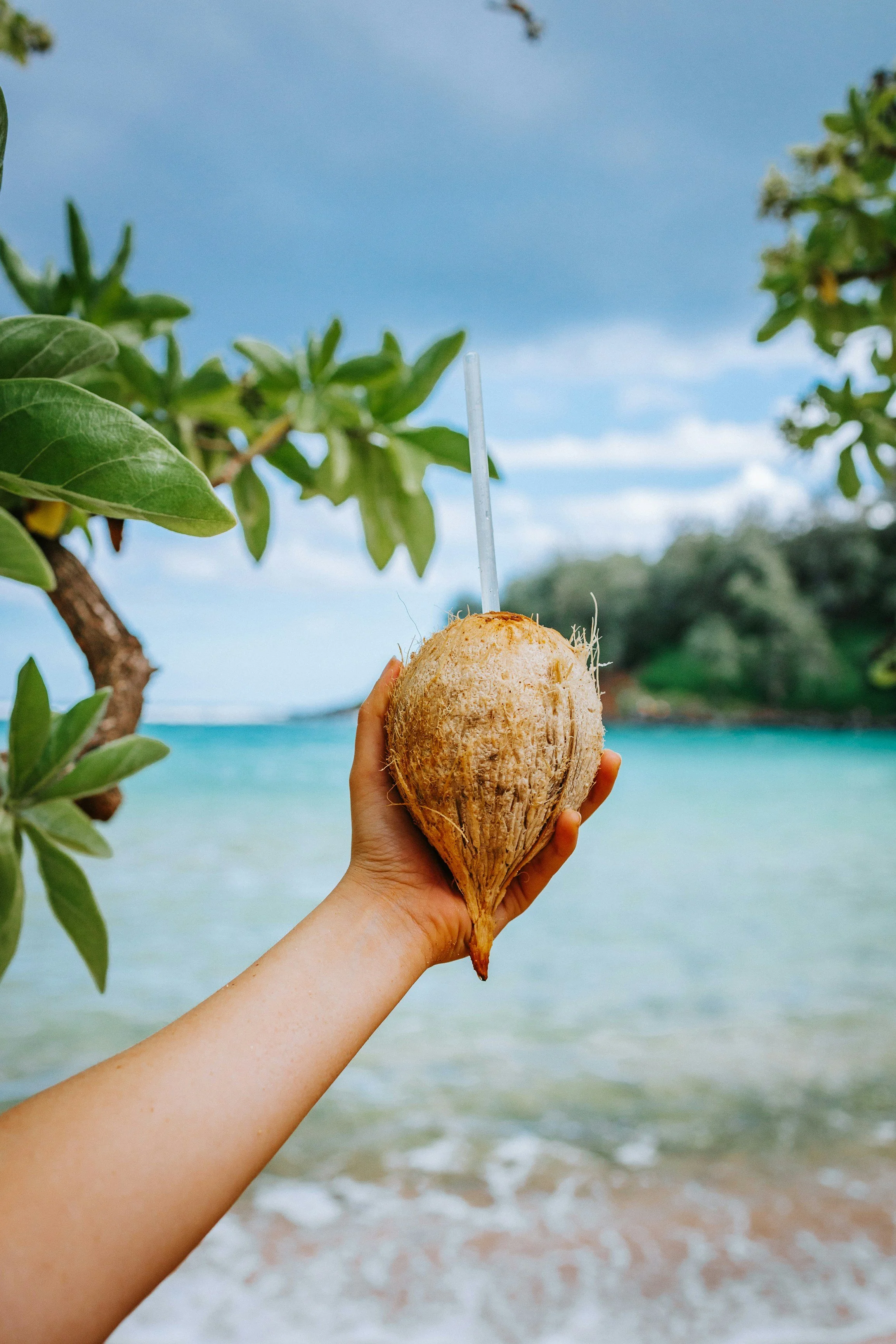
Photo by Zane Persaud in Unsplash
The Land Provides: Eating with ʻĀina in Mind
In Hawai'i, every meal begins with the land (ʻāina) and the sea. Ingredients are not just picked or caught, they are nurtured, tended, and honored. The volcanic soil, tropical sun, and steady rainfall make Kaua‘i and the other islands a fertile mosaic of flavors.
Taro, for instance, is more than a plant. It is the foundation of Hawaiian life and culture. Carefully cultivated in wetland lo‘i (terraced fields), taro transforms into poi, a staple that has nourished islanders for centuries. Fresh-caught fish, abundant in the surrounding Pacific, are prepared with care so that nothing goes to waste. Seasonal fruits like mango, guava, lilikoi, and pineapple are celebrated at the peak of their ripeness, each bite bursting with a sense of place.
Eating in harmony with the land isn’t just tradition; it's a necessity. Hawai‘i’s isolation means reliance on local resources is vital, and generations of islanders have perfected the art of stewardship. Meals are a dialogue between human hands and the environment, a balance between taking and giving back.
The Distinct Taste of Hawai‘i
What sets Hawai‘i apart is the interplay of history, ecology, and culture. Here, ingredients are rarely masked; they are celebrated in their purest form. The fusion of flavors tells the tale of the islands’ people, blending heritage and innovation.
From the ocean to the farm, from the morning market to the evening feast, every taste reflects care and intention. Meals are not rushed; they are experienced. Eating slowly, savoring each mouthful, and noticing the textures, aromas, and stories behind the food. This is how Hawai‘i leaves a lasting impression.
The islands remind us that travel doesn’t have to be about seeing everything at lightning speed. Sometimes, the most profound journeys happen in simple, genuine, and quiet moments like sipping fresh juice by the sea, sharing a meal prepared from freshly picked ingredients, or learning the Hawaiian word for a particular fruit or herb.
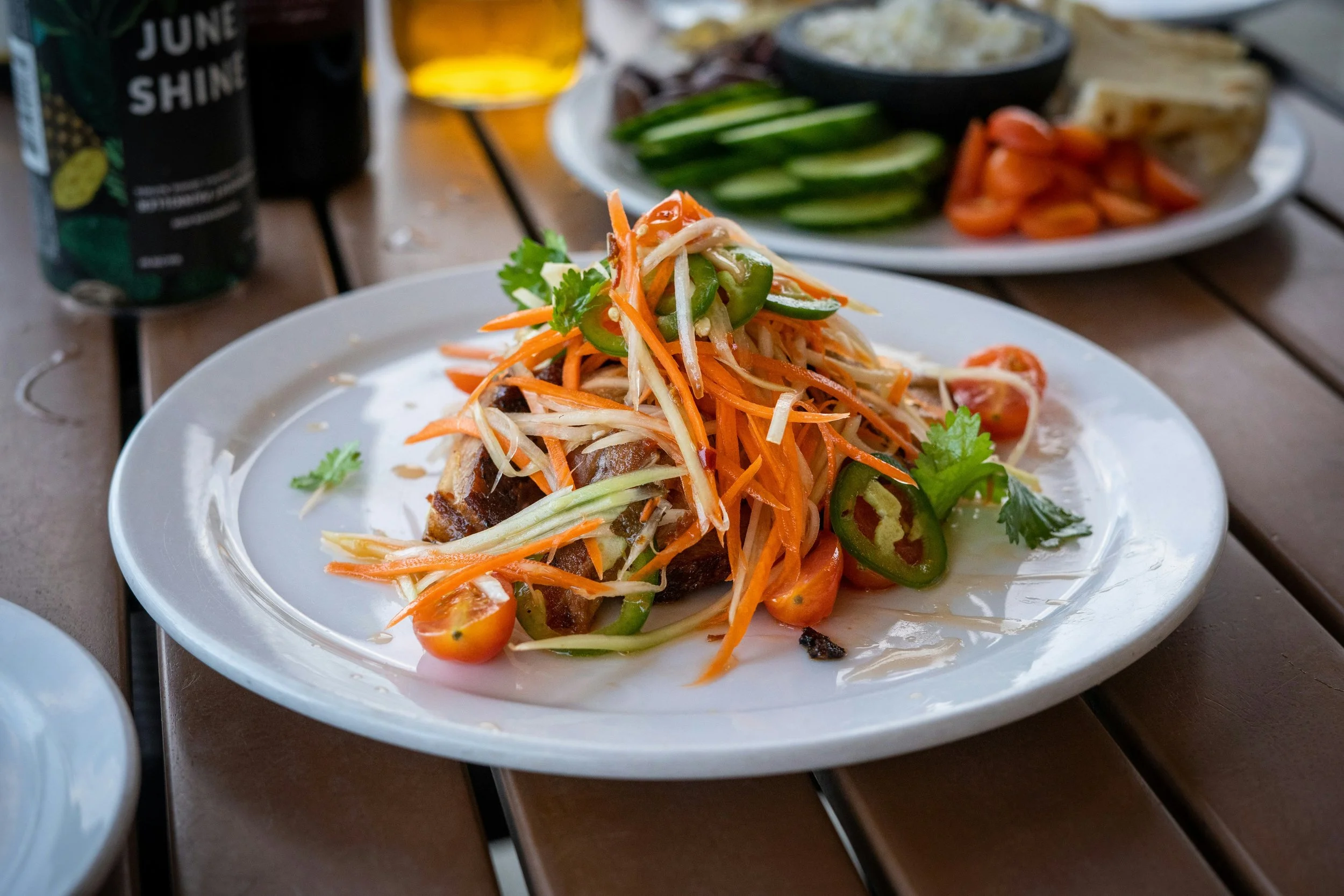
Photo from Alexandra Tran in Unsplash
Slow Food, Island Style
The Slow Food philosophy means eating locally, seasonally, and with care, and has long existed in Hawai‘i, embedded in everyday life. Farmers’ markets brim with small-scale producers offering fruits, vegetables, and seafood harvested that morning. Community kitchens and family-run eateries craft dishes with time, patience, and respect for ingredients.
Communal celebrations, from luaus to neighborhood feasts, reinforce the idea that food is shared, not consumed in isolation. Traditional practices like foraging flowers for lei-making or harvesting taro for poi are acts of connection — to culture, history, and the island itself.
Eating slowly here is natural. It is a rhythm of life, a way to savor flavors while reflecting on their origins. A meal becomes more than nourishment. It is a story, a lesson in patience, and a reminder of the intertwined relationship between people, food, and places.
Taste the Islands, Slowly
Hawai‘i’s food culture is a lesson in patience, presence, and connection. It is a reminder that flavors carry history, that meals are gifts, and that the land deserves care. Slowing down to taste, to listen, and to observe turns eating into an immersive experience that transcends the plate. Here, food becomes a teacher. It shows how humans and nature can coexist, how culture can be preserved through practice, and how curiosity can transform a meal into a story.
To truly understand Hawai‘i, approach it with an open mind and a ready palate. Taste the islands. Pause. Notice. Learn. In these moments, the richness of the islands, and the magic of their people and land, becomes unmistakably clear.
If this way of connecting with a place, through flavor, story, and community, speaks to you, explore how you can experience Hawai‘i through a slower, more meaningful lens.
Discover our journey across the island and see how food, culture, and nature come together on the Kauai Gold itinerary.
more food blogs
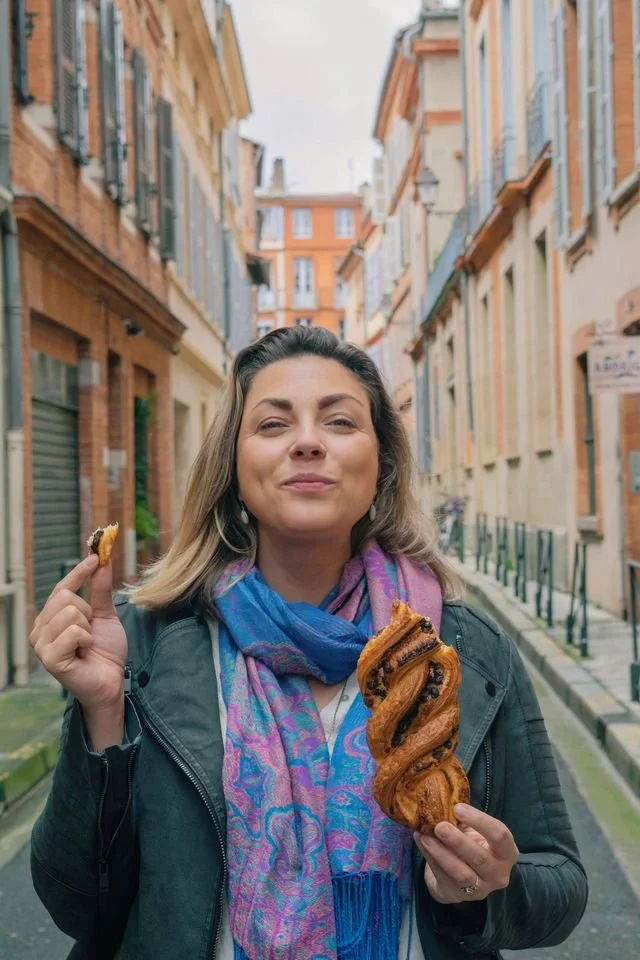











Discover why Southwest France captivates with medieval history, rich cuisine, world‑class landscapes, and slow culture — perfect for a transformative journey.