
5 Women Who Inspire: Jordan
Written by: Sophie Echeverry
In Jordan, the stories of women are woven into the fabric of daily life, from the bustling streets of Amman to the quiet villages of the desert. They are the keepers of culture, the preservers of traditions, and the driving force behind social change. Walking through the markets, tasting the flavors of homemade dishes, or admiring the intricate embroidery of a handmade craft, travelers can feel the presence of women whose hands and hearts shape the community.
Jordanian women have always balanced heritage and progress. They honor the past while shaping the future, educating the next generation, leading social movements, and sustaining cultural practices that have survived centuries. Their influence is subtle and profound, visible not only in political corridors or royal palaces, but in the everyday acts of resilience, creativity, and community-building. On our journey through Jordan, discovering these women’s stories transforms sightseeing into a richer, more meaningful exploration of the country itself.
Beit Khairat Souf — Empowering Women Through Community and Craft
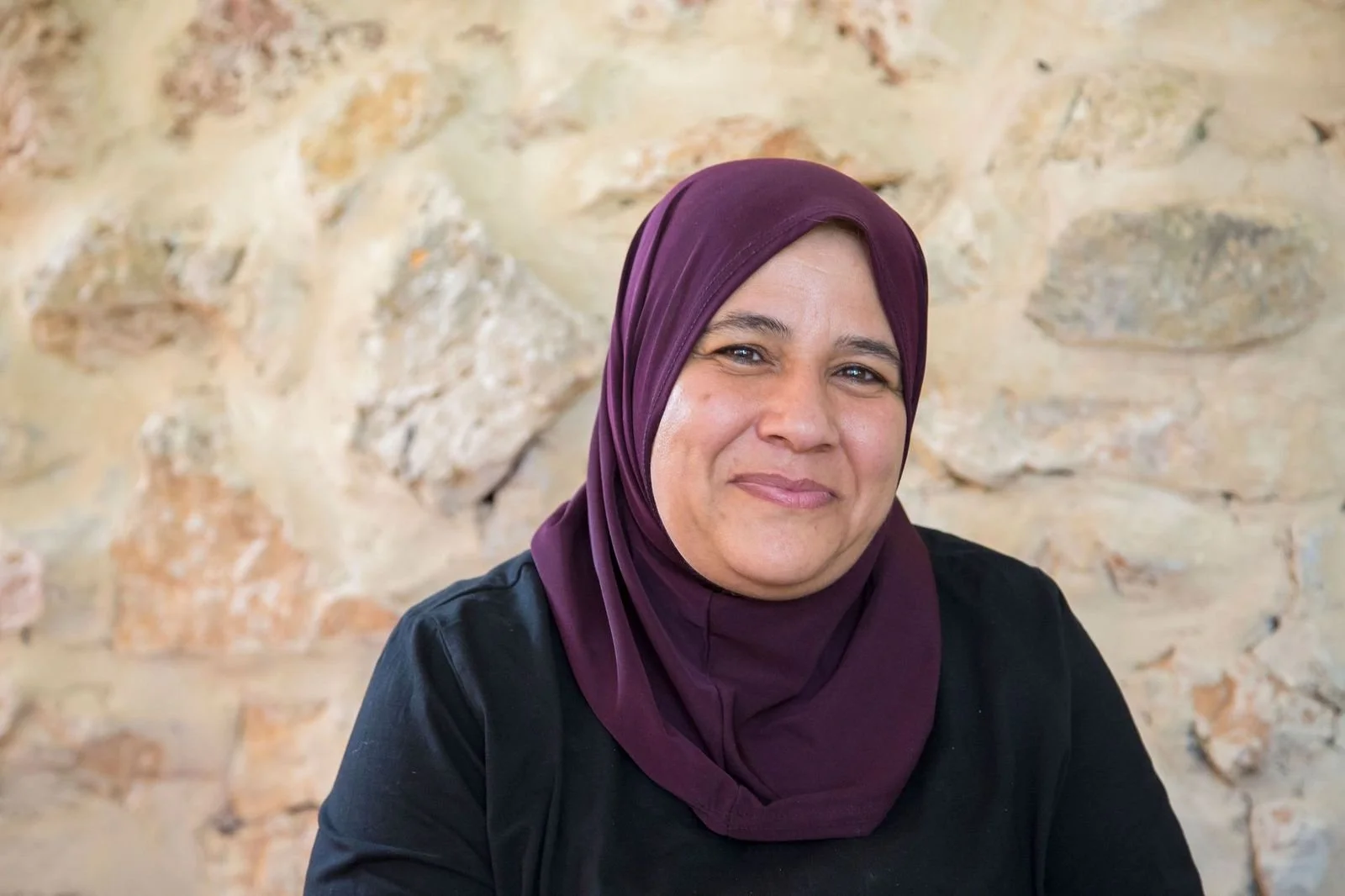
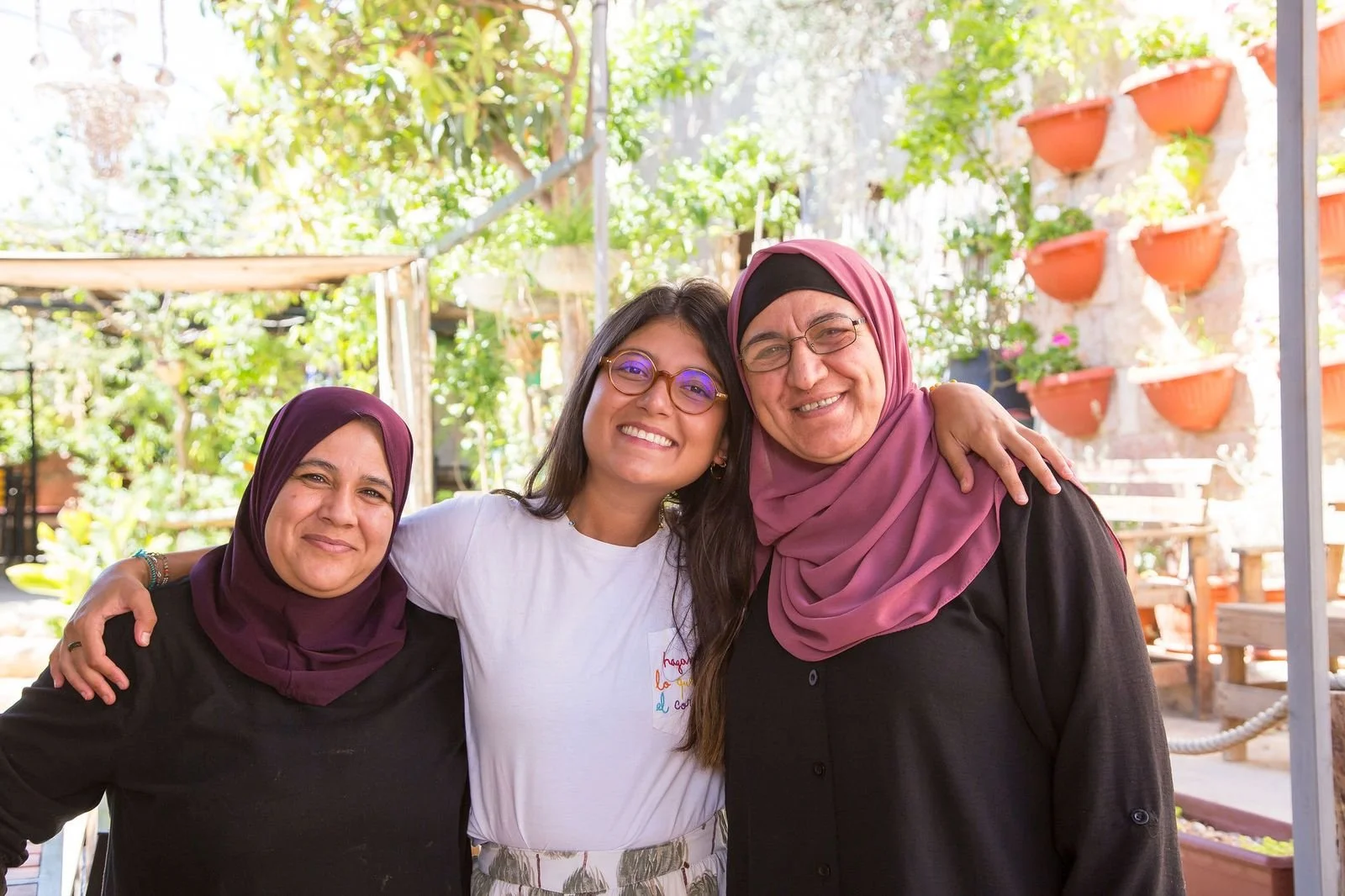
In the heart of Souf, a small town surrounded by breathtaking landscapes, the women of Beit Khairat Souf have built more than a social enterprise, they’ve created a space where tradition, creativity, and empowerment converge. This community-based initiative brings together local women artisans to preserve traditional crafts, while providing economic opportunities that enable independence and leadership. Visitors to the region can witness firsthand how the collective efforts of these women keep Jordanian cultural heritage alive while fostering sustainable livelihoods.
Beit Khairat Souf isn’t just a workplace—it’s a hub of storytelling, connection, and collaboration. The women’s crafts, culinary traditions, and cultural programs offer travelers a window into the rhythms of local life and the values of community solidarity. Their work exemplifies how social enterprises can create meaningful change, weaving together heritage, skill, and empowerment in a way that touches every visitor who walks through their doors.
Queen Zein al‑Sharaf — Pioneering Women’s Rights in Jordan
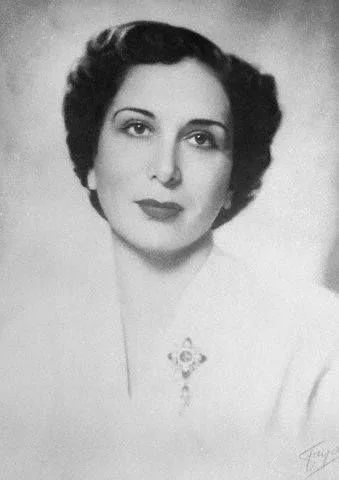
Credits: Jordanian government staff, Public domain, via Wikimedia Commons
Queen Zein al‑Sharaf (1916–1994) was not only a royal figure but a trailblazer for social change in Jordan. As queen consort to King Hussein, she used her position to advocate for women’s education, health, and welfare, establishing programs that empowered women and children alike. Her vision extended beyond the palace, championing reforms that gave women greater access to social services and opportunities for leadership.
Her legacy continues to influence Jordanian society today. Queen Zein’s dedication to public service and gender equality paved the way for future generations of women leaders, inspiring women across the kingdom to engage in civic life and pursue education. Her work reminds travelers that the strength of a community is often rooted in the courage and foresight of those who came before.
Muna Haddad — Redefining Who Tourism Serves
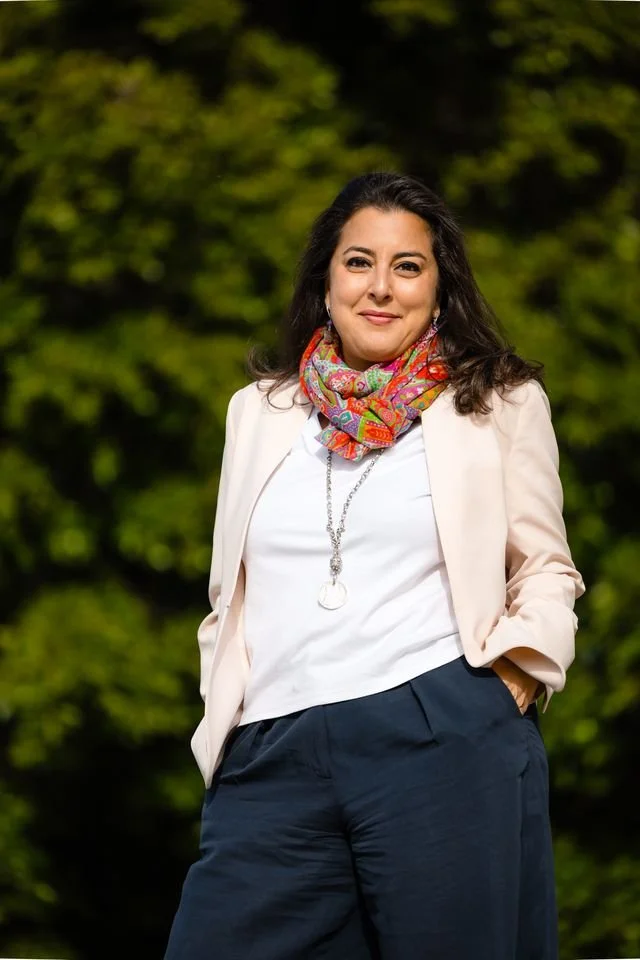
Muna Haddad has spent nearly two decades transforming tourism in Jordan into a force for community ownership, cultural preservation, and long-term local benefit. Through her work with Baraka Destinations, Muna has helped build a model where communities are not simply included in tourism, they are central to it.
Rather than treating local people as background to the visitor experience, Baraka works to ensure they are primary beneficiaries and stakeholders. Accommodation partners, artisans, home cooks, guides, farmers, and family-run enterprises are intentionally woven into localized supply chains so that tourism revenue remains rooted in the places travelers come to experience.
Guests may harvest olives alongside farming families, learn traditional bread-making in village homes, or hear stories passed through generations — but these moments are more than memorable activities. They are part of a tourism model designed to sustain livelihoods, preserve heritage, and strengthen community resilience.
Her impact goes far beyond travel experiences. Muna’s work invites a broader question: who should tourism ultimately serve, and whose stories should it tell? By placing dignity, equity, and local leadership at the center of travel, she offers a powerful answer.
Her approach earned recognition through the Champions of Change Award, celebrating not only innovation in tourism, but a vision of travel where connection and community prosperity grow together.
With Muna, visiting Jordan becomes more than sightseeing. It becomes participation in a better future for travel.
Maria Haddad Hannania — Preserving Family Heritage Through Food
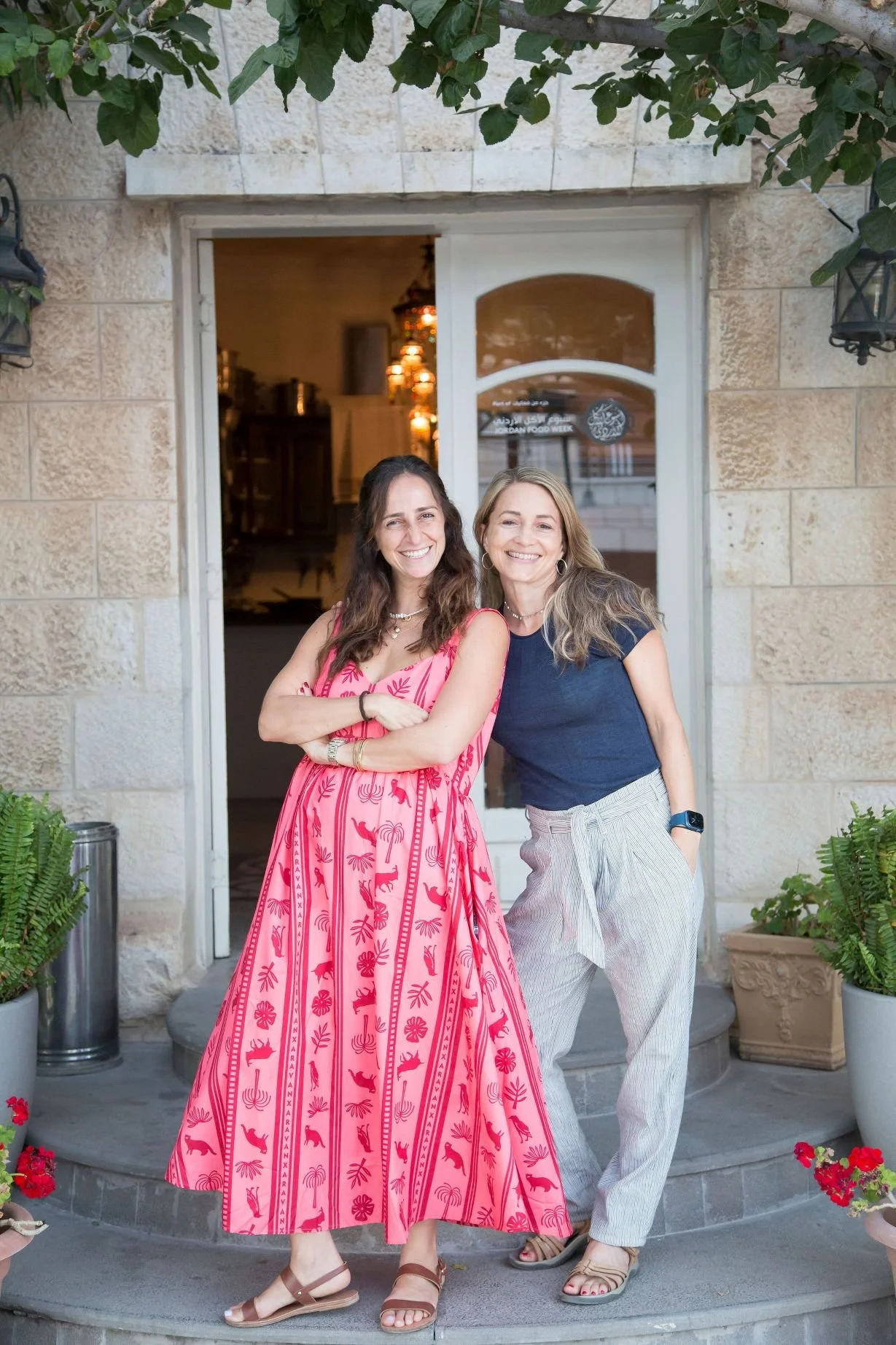
Maria Haddad is a professional chef and co-founder of Beit Sitti, a celebrated female-run cooking school in Amman that has become a must-visit destination for travelers seeking authentic Jordanian culinary experiences.
In 2010, Maria joined her sisters and mother to establish Beit Sitti—which means "my grandmother's house" in Arabic—as a tribute to their grandmother, Vera Bisharat. The cooking school operates from the family's 100-year-old home in Jabal Weibdeh, one of Amman's oldest neighborhoods. Here, visitors roll grape leaves, prepare mezze, and learn time-honored recipes passed down through generations of Jordanian women.
Maria commands her kitchen with precision and warmth, orchestrating each class with the efficiency of a seasoned professional while making guests feel like family. Her approach embodies the Jordanian spirit of hospitality: generous, joyful, and deeply rooted in tradition.
Through Beit Sitti, Maria demonstrates how food serves as a living archive of culture. Every dish tells a story, every recipe carries memory, and every meal shared around her grandmother's table connects travelers to the heart of Jordanian family life
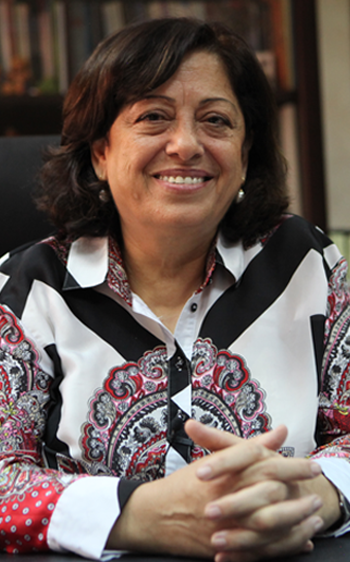
Credits: Asma Khader, WLP Oral History Project
Asma Khader — A Voice for Justice and Women’s Rights
In modern Jordan, few voices have shaped the landscape of women’s rights and legal reform as profoundly as Asma Khader (1952–2023). A lawyer, activist, and former Minister of Culture, her work has long centered on creating a more equitable society, one where women are not only protected under the law, but empowered to lead within it. Through her involvement with organizations like the Jordanian National Commission for Women, Khader has worked tirelessly to challenge systemic barriers, advocating for legislative change and greater representation of women in public life.
Her impact is both structural and deeply human. Khader has been instrumental in pushing forward conversations around gender-based violence, legal protections, and social justice, topics that are often complex and deeply rooted in tradition. Yet, she approaches this work with nuance and respect, understanding that lasting change comes from within communities as much as from policy. In many ways, her efforts echo the spirit of the women of Beit Khairat Souf, creating opportunity, dignity, and agency, not through disruption alone, but through persistence, education, and care.
Final Thoughts – The Legacy and Living Spirit of Jordanian Women
Exploring Jordan through the stories of its women transforms a visit into something deeper than sightseeing.
From the pioneering leadership of Queen Zein al-Sharaf to the legal advocacy of Asma Khader, the literary courage of Emily Bisharat, the entrepreneurial power of the women of Beit Khairat Souf, and the community-driven tourism vision of Muna Haddad, each story reflects resilience, creativity, and lasting impact.
These women remind us that the heart of Jordan lives not only in its landscapes and ancient wonders, but in the people actively shaping its future every day.
Traveling with curiosity and respect allows visitors to witness that living legacy firsthand.
MORE BLOGS LIKE THIS


FAQs
-
Jordan has been shaped by remarkable women across generations. Queen Zein al-Sharaf pioneered social welfare programs and women's education in the mid-20th century. Emily Bisharat became one of the country's first female writers and educators in the early 1900s. More recently, Asma Khader transformed women's legal rights through her work as a lawyer, activist, and former Minister of Culture.
-
Beit Sitti is a female-run cooking school in Amman founded by Maria Haddad Hannania and her family. Located in a 100-year-old family home, it offers hands-on Arabic cooking classes where visitors learn traditional Jordanian recipes. The experience provides an intimate window into Jordanian family culture, food traditions, and the role women play in preserving culinary heritage.
-
Initiatives like Beit Khairat Souf and Baraka Destinations create economic opportunities for women artisans, cooks, and entrepreneurs. These programs keep tourism revenue within local communities, preserve traditional crafts and culinary practices, and empower women to become leaders and business owners in their own right.
-
Beit Khairat Souf is a women-led social enterprise in the town of Souf that brings together local artisans to preserve traditional Jordanian crafts. The collective offers visitors authentic cultural experiences while providing women with sustainable income and leadership opportunities.
-
Visitors can take cooking classes at Beit Sitti in Amman, visit artisan collectives like Beit Khairat Souf, or book community-based experiences through organizations like Baraka Destinations. These experiences connect travelers directly with Jordanian women while supporting local livelihoods and cultural preservation.
-
Jordanian women maintain centuries-old traditions including intricate embroidery, weaving, pottery, soap-making, and culinary arts. Many of these crafts are taught within families and communities, with social enterprises now helping to sustain them economically while sharing them with visitors.
-
Food in Jordan is deeply tied to family, hospitality, and generational knowledge. Women have traditionally served as the keepers of recipes, cooking techniques, and mealtime customs. Cooking schools like Beit Sitti and community kitchens preserve this heritage while allowing travelers to participate in authentic culinary traditions.




Explore the power of Egyptian women — from ancient queens to today’s innovators, entrepreneurs, athletes, and activists shaping the country. Discover their stories before your trip.