
Egyptian Food Culture: Traditional Dishes, Hospitality & Home Cooking
Written By: Sophie Echeverry
Food in Egypt is rarely rushed. Meals stretch into conversations. Tea arrives before questions do. Bread is torn and shared communally. Recipes are carried through memory more often than measurement.
Egyptian food culture is shaped by hospitality, agriculture, regional traditions, and centuries of culinary history. From iconic dishes like koshari and ful medames to Cairo street food and family-style home cooking, Egyptian cuisine reflects the country’s deep connection between food, community, and everyday life. Other beloved Egyptian dishes include molokhia, a garlic-scented green soup; mahshi, vegetables stuffed with rice and herbs; and feteer meshaltet, a flaky layered pastry often called Egyptian pie.
To understand Egypt through its food is to understand something deeper than cuisine alone. It is a culture shaped by hospitality, geography, agriculture, trade, and centuries of layered history. From Nile-side farming communities to Cairo street vendors, Egyptian food culture is rooted in generosity and everyday abundance — not extravagance, but care.
What Defines Egyptian Food Culture?
At its core, Egyptian food culture is built around three things:
hospitality
seasonality
shared meals
Food in Egypt is deeply social. Guests are welcomed with tea, fruit, bread, or full meals regardless of occasion, and feeding others is often seen as an extension of dignity and generosity.
This culture is also shaped by geography. The fertile Nile Delta has supported agriculture for thousands of years, making legumes, grains, herbs, dates, citrus, and vegetables central to Egyptian cuisine long before modern culinary trends embraced plant-forward eating.
Even today, many traditional Egyptian dishes remain naturally vegetarian, slow-cooked, and deeply tied to local agriculture.
Home Cooking in Egypt
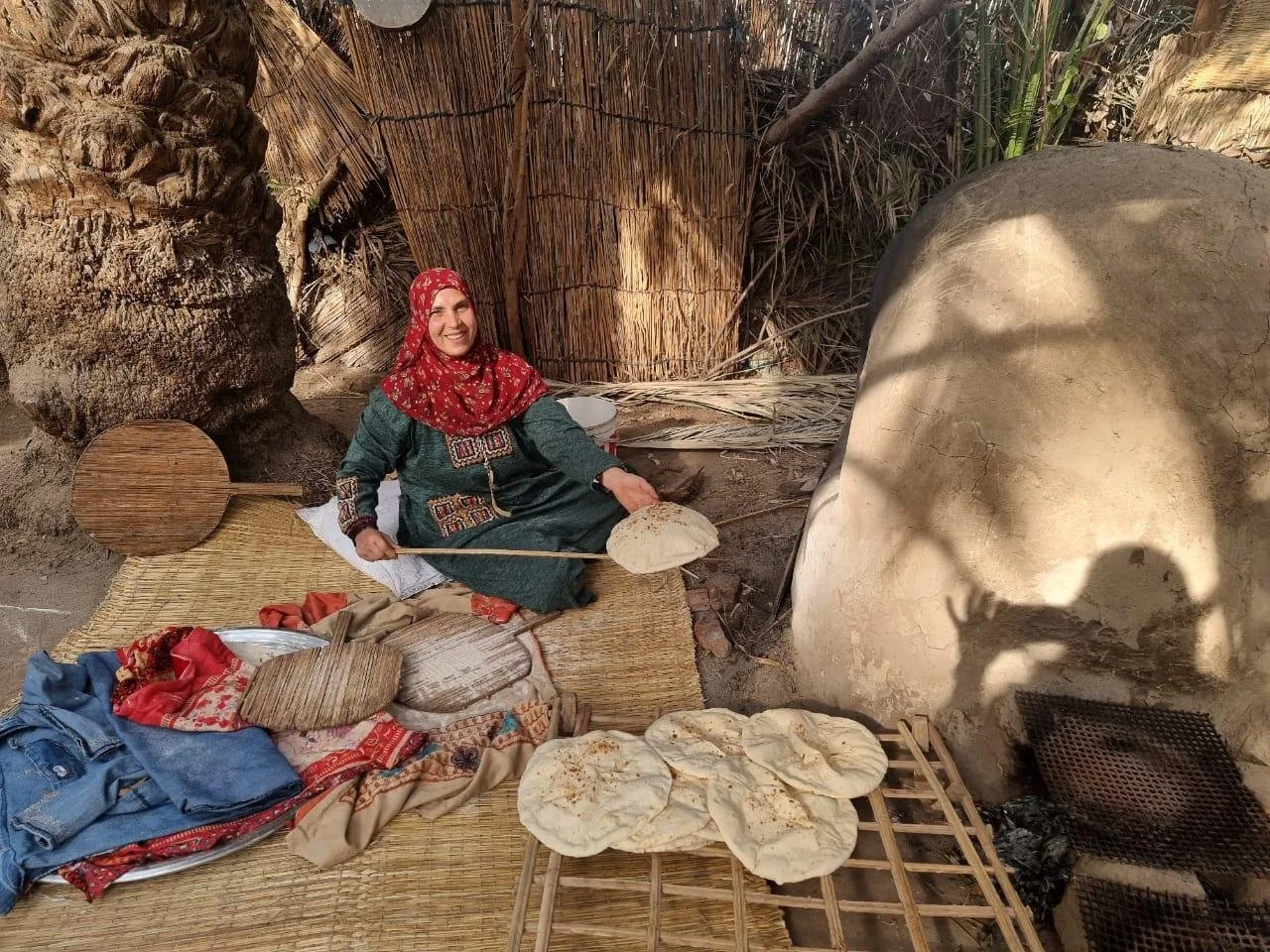
Some of the most meaningful food in Egypt is not found in restaurants, but in homes. Home cooking remains central to Egyptian daily life, with recipes passed down across generations through practice rather than written instruction.
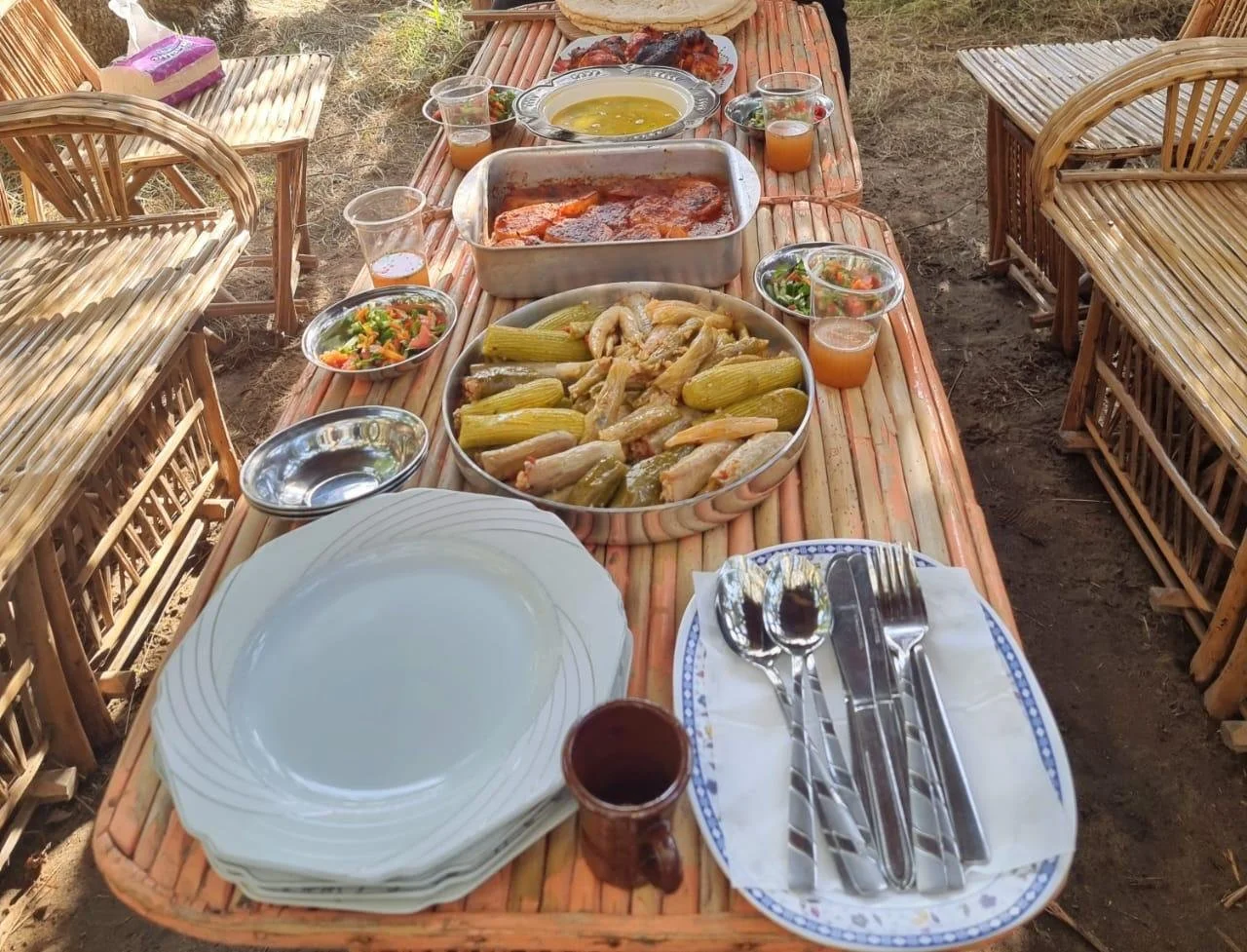
A typical meal may include rice or flatbread, stewed vegetables, lentils or beans, grilled meats, pickled vegetables, tahini, herbs and citrus. But beyond ingredients, Egyptian home cooking is defined by rhythm and care. Meals are often prepared slowly and designed for sharing. Multiple dishes arrive at once, encouraging conversation and lingering around the table rather than individual dining.
One of the clearest examples is Ful Medames, a staple breakfast dish of slow-cooked fava beans seasoned with olive oil, cumin, garlic, and lemon. Eaten across social classes and regions, it reflects the simplicity and depth that define much of traditional Egyptian cuisine.
Other beloved Egyptian dishes include molokhia, a garlic-scented green soup; mahshi, vegetables stuffed with rice and herbs; and feteer meshaltet, a flaky layered pastry often called Egyptian pie.
Egyptian Street Food Culture
To walk through Cairo is to encounter food constantly.
The scent of grilled meats, fresh bread, cardamom, and fried onions drifts through crowded streets where food vendors operate as both cooks and community fixtures.
Street food in Egypt is not secondary cuisine, it is part of the cultural fabric of daily life.
Among the most iconic dishes is Koshari, a surprisingly comforting combination of rice, lentils, pasta, chickpeas, tomato sauce, garlic vinegar, and crispy fried onions. Humble in ingredients yet deeply satisfying, it reflects Egypt’s layered culinary influences and talent for transforming simple staples into something memorable.
Another beloved staple is Ta'ameya, Egypt’s version of falafel made with fava beans rather than chickpeas, giving it a lighter texture and vibrant green interior from fresh herbs. Street food here is not only about flavor, iit is about rhythm, accessibility, and collective experience.
Why Hospitality Matters in Egyptian Cuisine
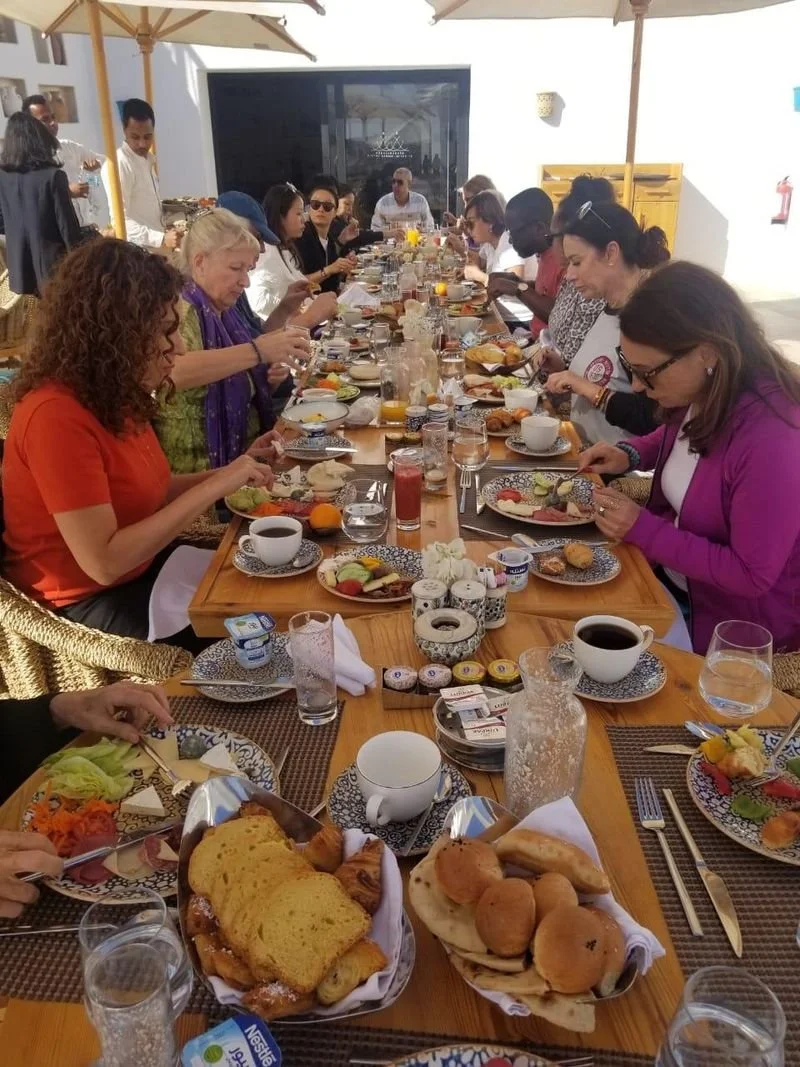
Egyptian hospitality is everything but a performance. It is instinctive.
Guests are often offered food repeatedly, encouraged to eat more, stay longer, and feel cared for. Refusing hospitality entirely can even feel impolite because generosity is woven deeply into social life. Coffeehouses, family kitchens, market stalls, and shared tables all become spaces of connection.
This warmth is one reason many travelers leave Egypt surprised not only by the country’s history, but by the openness of its people. Meals in Egypt are rarely transactional. They are invitations.
Regional Food Traditions Across Egypt
Egyptian cuisine also shifts significantly across regions.
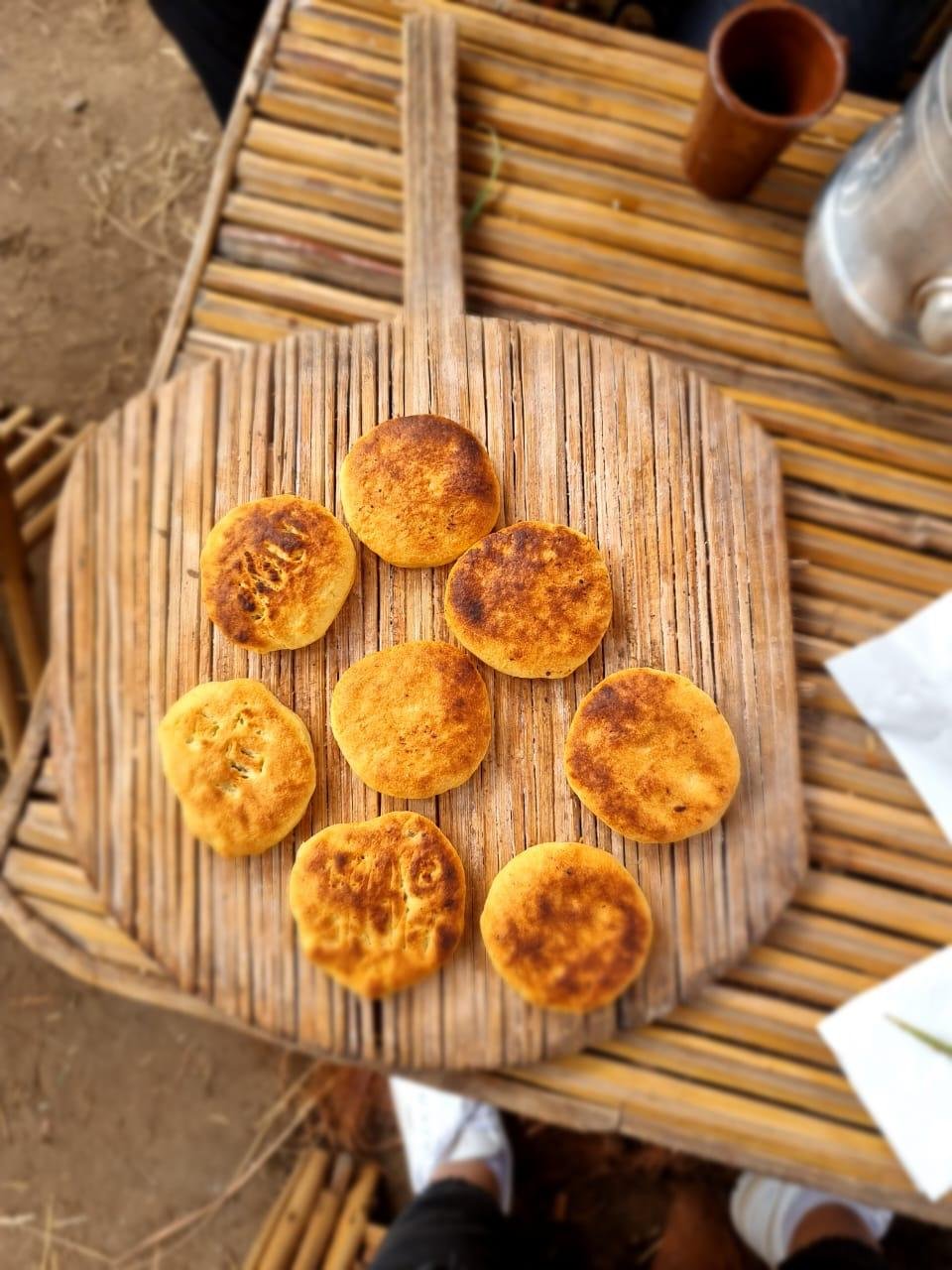
Along the Mediterranean coast in cities like Alexandria, seafood plays a larger role, influenced by centuries of maritime exchange. In Upper Egypt, dishes often become earthier and spicier, reflecting agricultural traditions and rural cooking techniques. In the Sinai Peninsula and desert regions, Bedouin culinary traditions emphasize fire cooking, herbs, tea culture, and preservation methods adapted to desert life.
These regional differences reveal that there is no single Egyptian cuisine, only many expressions of place, climate, and history.
Traditional Egyptian Foods Every Traveler Should Try
For travelers wanting to experience Egypt beyond the monuments and museums, food offers one of the most immediate connections to daily life and culture. From slow-cooked comfort dishes to vibrant street food, Egyptian cuisine reflects centuries of history, agriculture, trade, and hospitality.
Koshari: Often considered Egypt’s national dish, is a mix of rice, lentils, pasta, chickpeas, tomato sauce, garlic vinegar, and crispy fried onions into a surprisingly comforting meal. Humble yet deeply flavorful, it represents Egypt’s talent for transforming simple pantry staples into something unforgettable.
Ta'ameya: Egypt’s version of falafel differs from the Levantine style by using fava beans instead of chickpeas, creating a lighter texture and vibrant green center filled with herbs. Crispy outside and soft inside, it remains one of the country’s most beloved street foods.
Molokhia: A distinctive green stew made from finely chopped jute leaves cooked with garlic and coriander, often served with rice or bread alongside chicken or rabbit. Its silky texture and herbal flavor can surprise first-time visitors, but it’s deeply comforting to many Egyptians.
Mahshi: Mahshi refers to vegetables like zucchini, peppers, eggplant, or grape leaves stuffed with herbed rice and slow-cooked in tomato broth. Found at family gatherings and celebrations, it reflects the patience and care central to Egyptian home cooking.
Hawawshi: A popular street food and local favorite, Hawawshi consists of crispy baked bread stuffed with spiced minced meat, onions, and peppers. It’s rich, savory, and especially satisfying after long days exploring busy Egyptian cities.
Feteer Meshaltet: Sometimes called “Egyptian pizza,” is a flaky layered pastry that can be served savory or sweet. Traditionally made in rural areas, it’s often enjoyed fresh from the oven with honey, cheese, or spiced meats.
Basbousa: Soft semolina cake soaked in sweet syrup and often topped with coconut or almonds. Found in bakeries and homes alike, it’s one of Egypt’s most iconic desserts and pairs perfectly with strong Arabic coffee or tea.
Why Egyptian Food Culture Leaves a Lasting Impression
Egyptian food culture is not built around trends or performance.
It is built around memory, generosity, and the belief that food is something meant to be shared. Whether sitting around a family table, wandering through Cairo’s street markets, or sipping tea beside the Nile, travelers quickly realize that food in Egypt is never just nourishment.
It is a conversation. It is history. It is welcome.
And long after the trip ends, it is often one of the things people remember most.
Join us for an immersive experience through Egypt’s farms, markets, and culinary traditions. Taste sustainable harvests, learn ancient and modern techniques, and meet the changemakers reimagining the country’s relationship with the land.
MORE FOOD BLOGS FOR YOU

FAQs
-
Koshari is widely considered Egypt’s national dish and one of the country’s most beloved comfort foods. Made with rice, lentils, pasta, chickpeas, tomato sauce, garlic vinegar, and crispy fried onions, it reflects Egypt’s ability to transform simple ingredients into something deeply flavorful and satisfying.
-
Egyptian cuisine is typically flavorful rather than very spicy. Dishes often rely on ingredients like cumin, coriander, garlic, cinnamon, herbs, and citrus for depth and warmth. While some sauces and regional dishes can include heat, most traditional Egyptian meals focus more on richness and balance than intense spice.
-
Ful Medames and Ta'ameya are among the most common traditional breakfasts in Egypt. Ful medames consists of slow-cooked fava beans seasoned with olive oil, cumin, garlic, and lemon, while ta’ameya, Egypt’s version of falafel, is made with fava beans and fresh herbs. Both are typically served with fresh bread, pickles, and tea.
-
Yes. Many classic Egyptian dishes are naturally vegetarian and centered around legumes, vegetables, rice, herbs, and bread. Popular vegetarian options include Koshari, Ful Medames, Ta’ameya, lentil soup, stuffed vegetables, and mezze dishes with tahini and salads.
-
Egypt is known for dishes like Koshari, Ful Medames, grilled meats, fresh baladi bread, stuffed vegetables, and desserts like Basbousa and Kunafa. The country is also known for its vibrant street food culture and strong traditions of hospitality centered around shared meals.




Discover why Southwest France captivates with medieval history, rich cuisine, world‑class landscapes, and slow culture — perfect for a transformative journey.