
5 Reasons to Visit Southwest France: History, Food & Countryside Charm
Written by: Sophie Echeverry
Southwest France unfolds quietly. It is not the France of glossy postcards or hurried itineraries. Instead, it stretches between the foothills of the Pyrenees and the sun-warmed plains of Occitanie, where medieval towns rise from river valleys and markets still follow rhythms set centuries ago.
To visit this region is not simply to travel — it is to enter a landscape shaped by geography, faith, agriculture, and resilience.
Here are five deeply rooted reasons this part of France stays with you long after you leave.
1. A Landscape Shaped by the Pyrenees
Southwest France is defined by its geography. The Pyrenees form a dramatic natural border between France and Spain, influencing climate, agriculture, and even architecture. Snowmelt feeds rivers that wind through fertile valleys, while rolling hills support vineyards, sunflower fields, and small pastoral farms.
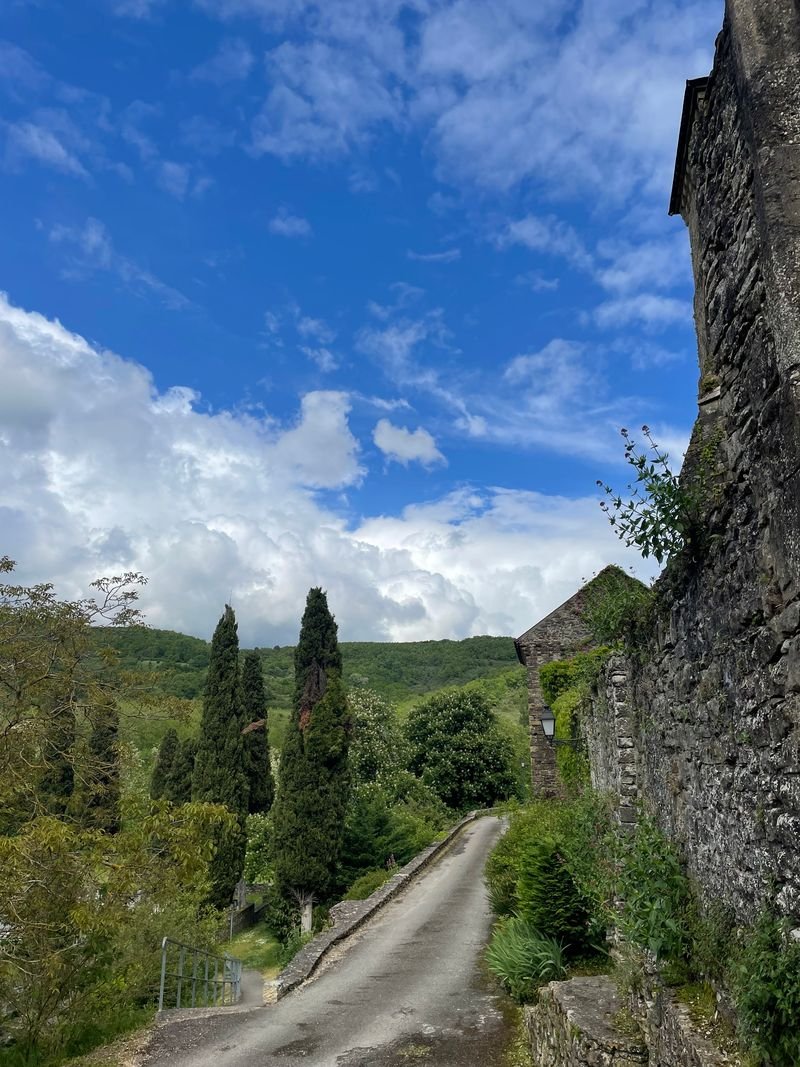
This varied terrain creates a unique sensory experience. Mornings can begin in misty foothills and end in sunlit village squares. The land dictates the pace here — slower, seasonal, grounded. It invites walking, lingering, and noticing.
This is Southwest France travel at its most elemental: terrain shaping culture.
2. Medieval History That Still Breathes
Unlike museum-bound history, the past in this region remains visible and tactile.
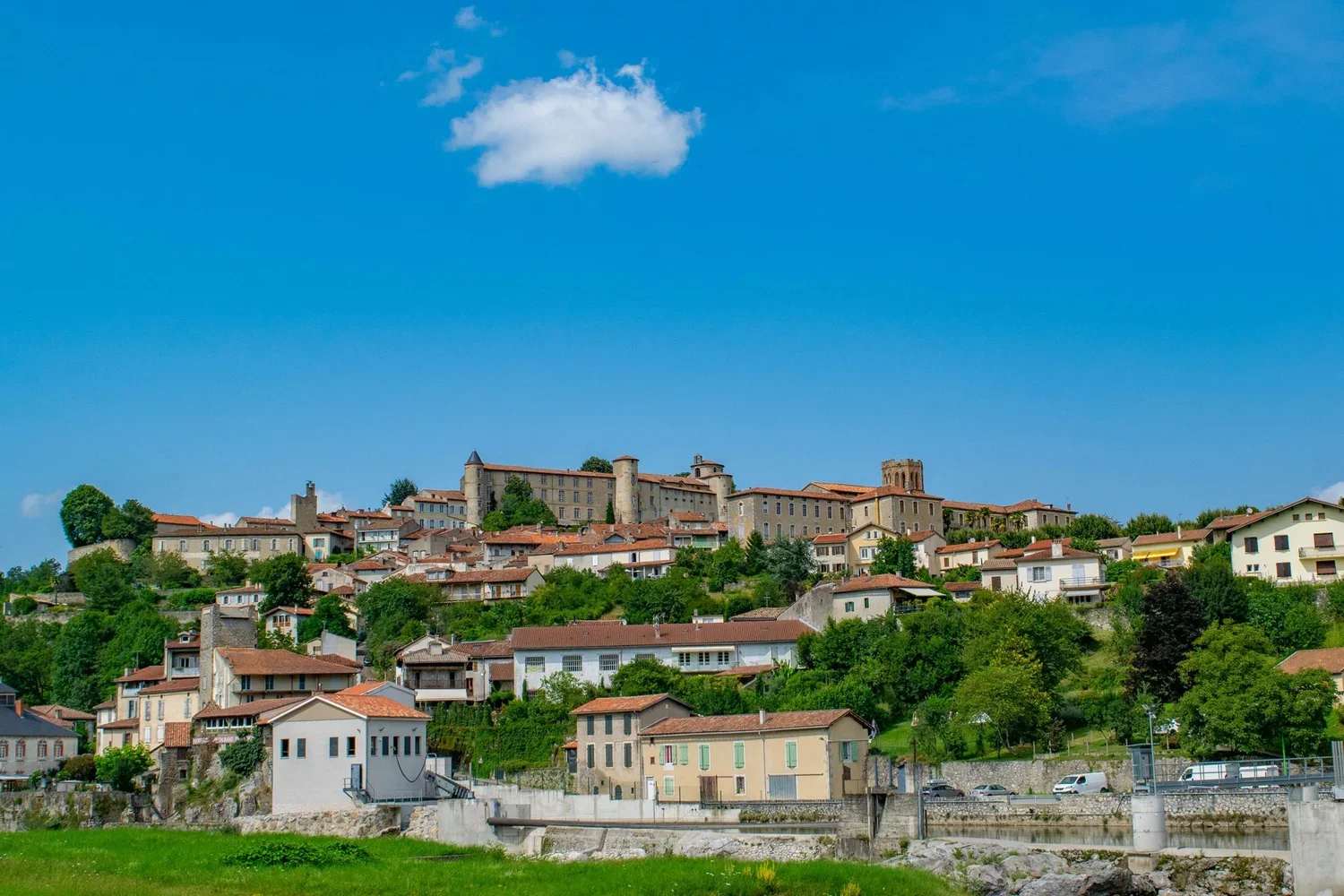
In towns like Mirepoix, timber-framed houses lean gently toward cobbled streets, their arcades once sheltering merchants and craftsmen. These villages flourished during the Middle Ages as trade routes expanded across southern Europe.
Further into the countryside, the story becomes more dramatic. The ruins of Montségur rise sharply from rocky outcrops — reminders of the Cathars, a religious group persecuted in the 13th century during the Albigensian Crusade. Their story of spiritual conviction and resistance still echoes through this landscape.
And then there is Carcassonne, one of Europe’s most intact fortified cities. Its double walls and watchtowers are not romantic inventions; they are a testament to centuries of defense, power, and survival.
In Southwest France, history is not narrated. It is walked.
3. A Culinary Tradition Rooted in Place
Food here is inseparable from geography and heritage. The fertile plains and temperate climate produce ingredients that define regional identity.
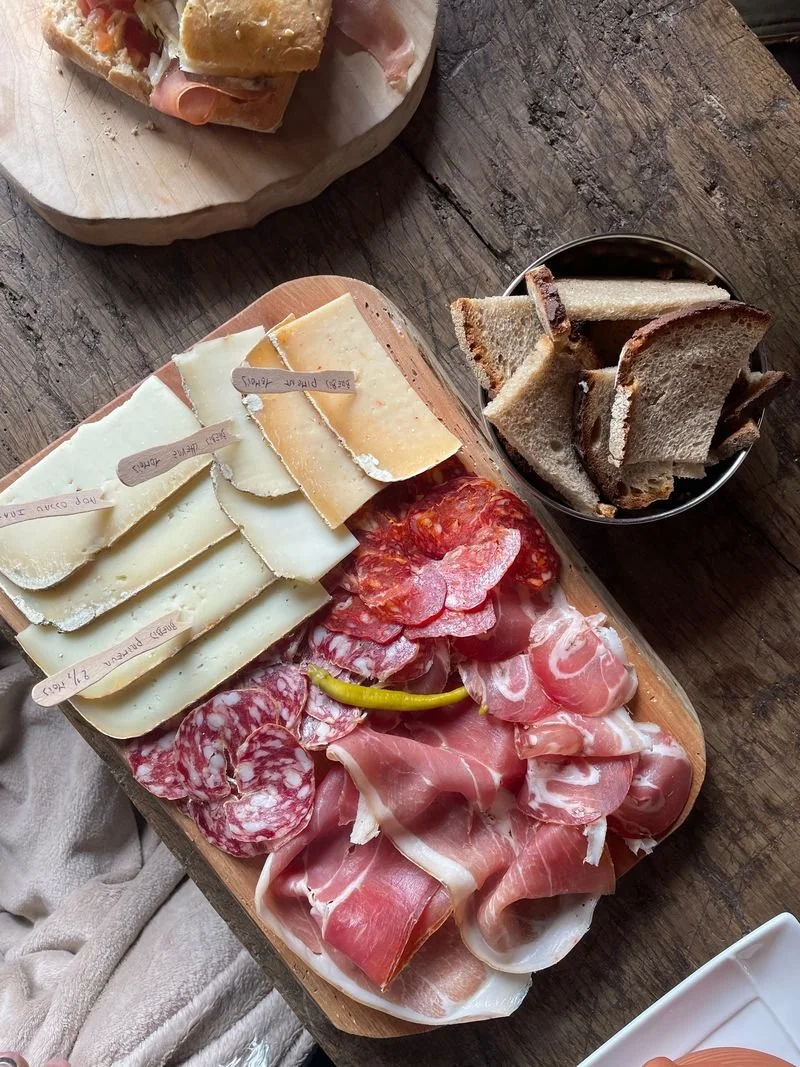
Markets overflow with local cheeses, duck confit, walnuts, honey, and herbs gathered from nearby hillsides. The famous cassoulet, slow-cooked beans with duck or sausage, was born from peasant kitchens and perfected over generations. It reflects something essential about this region: patience.
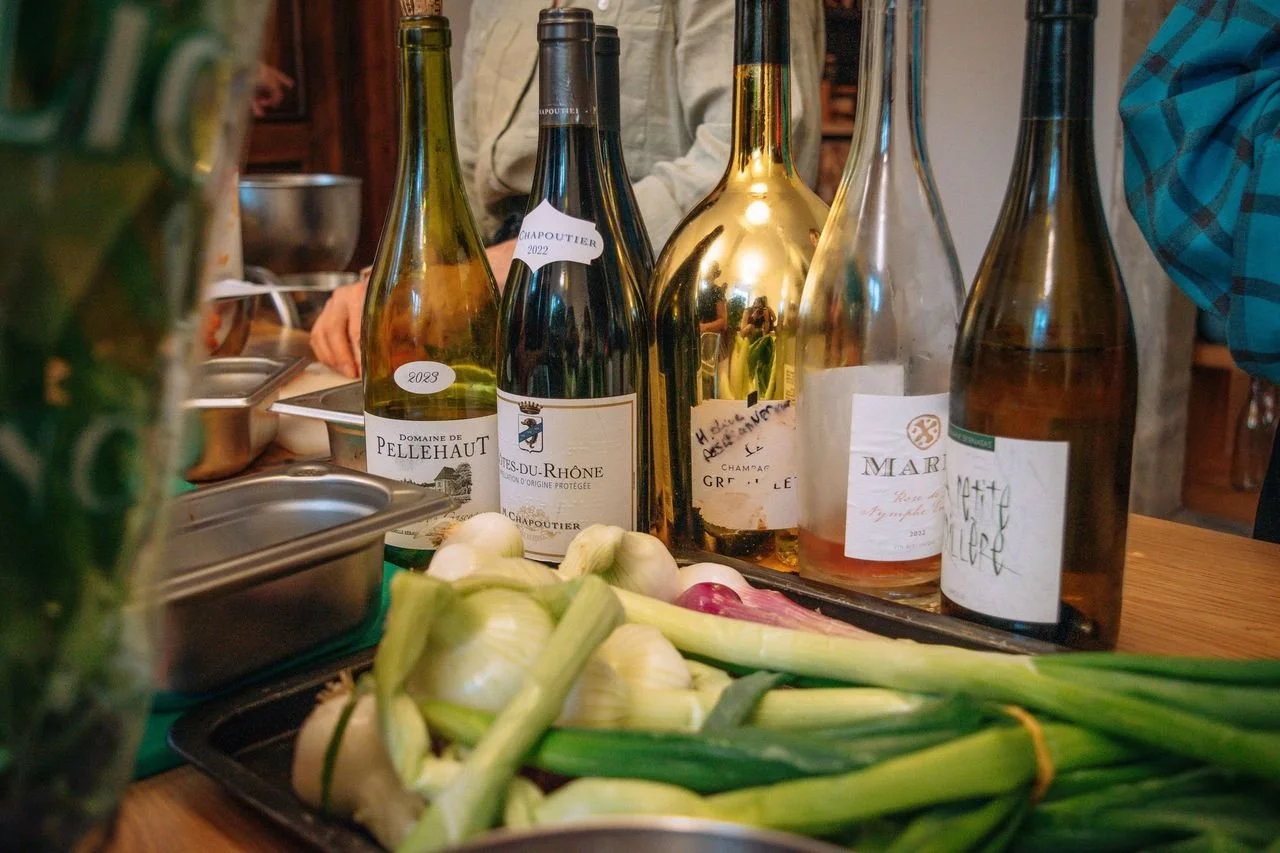
Meals are rarely rushed. Conversations extend. Wine is poured generously but thoughtfully. This is not performative gastronomy. It is a culinary culture.
4. Living Craft & Cultural Continuity
Southwest France carries a strong artistic identity, particularly in and around Toulouse, often called “La Ville Rose” for its distinctive terracotta brick buildings.
During the Renaissance, Toulouse became wealthy through the production of pastel dye — a vibrant blue pigment extracted from the woad plant. This industry shaped architecture, trade, and artistic patronage across the region.
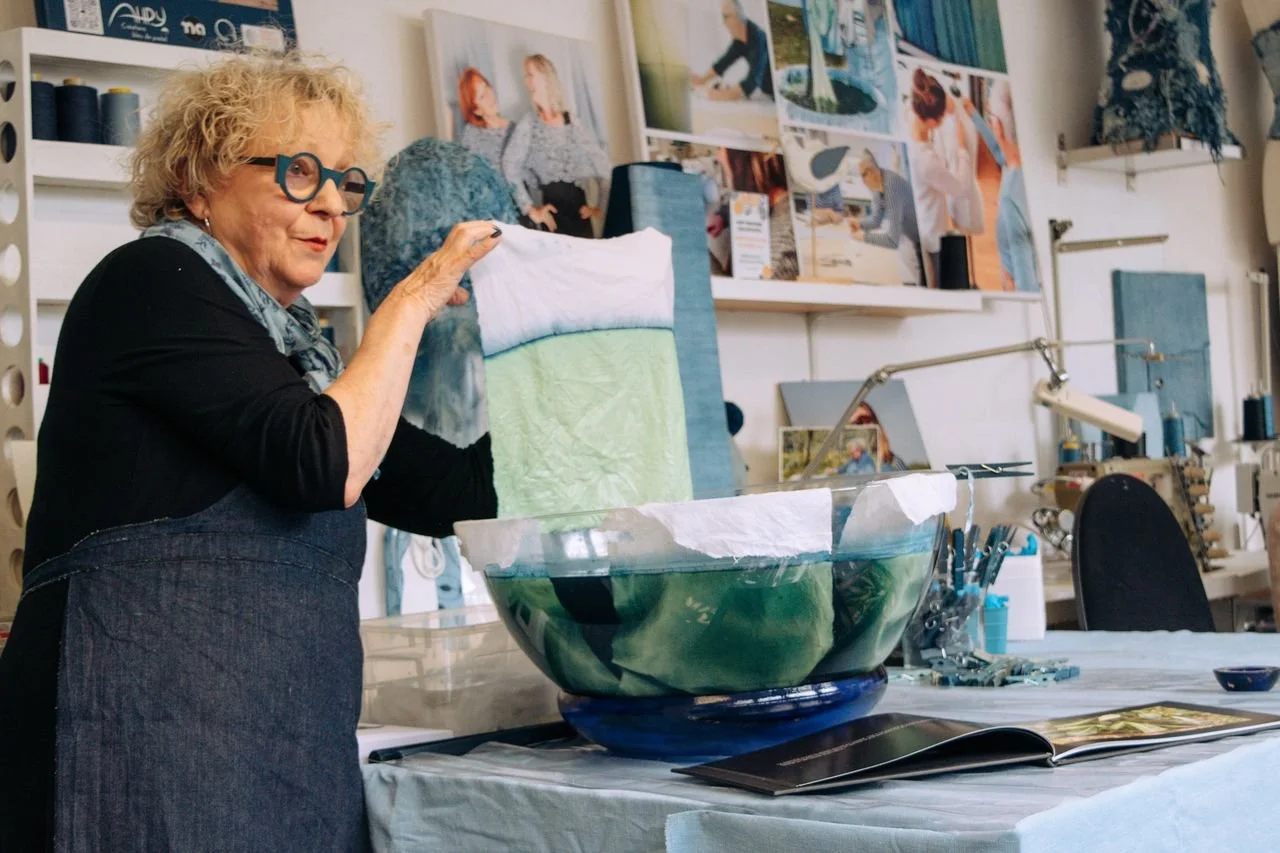
Today, traditional craftsmanship continues in smaller villages: textile dyeing, ceramics, and metalwork passed from one generation to the next. These practices are not frozen in time; they evolve while honoring lineage.
To engage with Southwest France culture is to witness continuity — not nostalgia.
5. The French Art of Savoir Vivre

Perhaps the most compelling reason to visit Southwest France is intangible. It is the atmosphere of unhurried presence.
The French concept of savoir vivre, knowing how to live well, is deeply embedded here. It shows up in the ritual of Sunday markets, in afternoon café pauses, in long countryside dinners where conversation matters more than productivity.
This ethos aligns beautifully with a French countryside retreat experience. It is not about seeing everything. It is about feeling anchored where you are.
And in a world that rewards speed, that recalibration can feel quietly radical.
Experience Southwest France With Intention
These five reasons to visit Southwest France come fully alive on our thoughtfully designed journey through the region.
On the Traverse France Retreat, you’ll explore medieval towns, hike through historic landscapes, engage with local artisans, and savor cuisine rooted in centuries of tradition — all within a small group of curious, like-minded explorers.
Southwest France does not demand attention. It earns it — slowly, beautifully, and with intention.
more blogs like this








Discover why Southwest France captivates with medieval history, rich cuisine, world‑class landscapes, and slow culture — perfect for a transformative journey.