
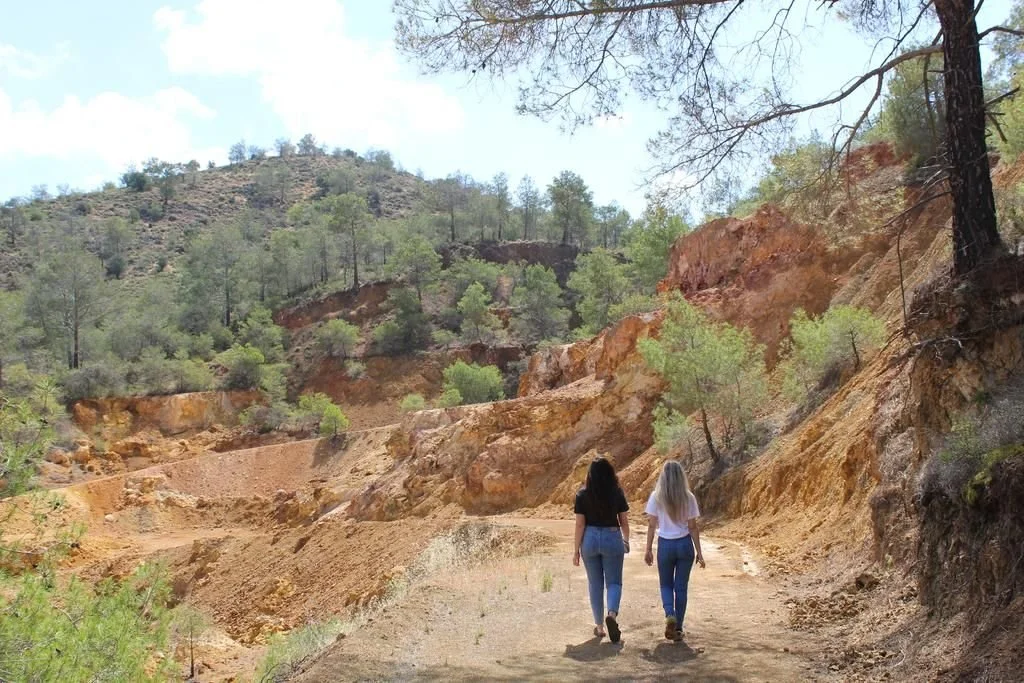
Women to Know: Cyprus
Written by: Sophie Echeverry
Cyprus has always been a crossroads. It sits at the meeting point of Europe, Asia, and the Middle East, making it one of the Mediterranean’s most culturally layered islands.
Set in the eastern Mediterranean, just south of Turkey and west of the Levant, the island has long been shaped by movement — of traders, empires, languages, and ideas. Greeks, Romans, Byzantines, Venetians, Ottomans, and the British all left their mark here. Since 1974, the island has remained politically divided between the Republic of Cyprus and the Turkish-controlled north.
But beyond the layers of conquest and coastline, daily life here continues through hospitality, food traditions, village rhythms, resilience, and creativity. one carried quietly and powerfully by women.
Women who preserved heritage through craft. Women who challenged systems through activism. Women who wrote stories of displacement and identity. Women who cared for land, sea, and community. Women who ruled.
To understand Cyprus more deeply, let’s meet the women who shape it.
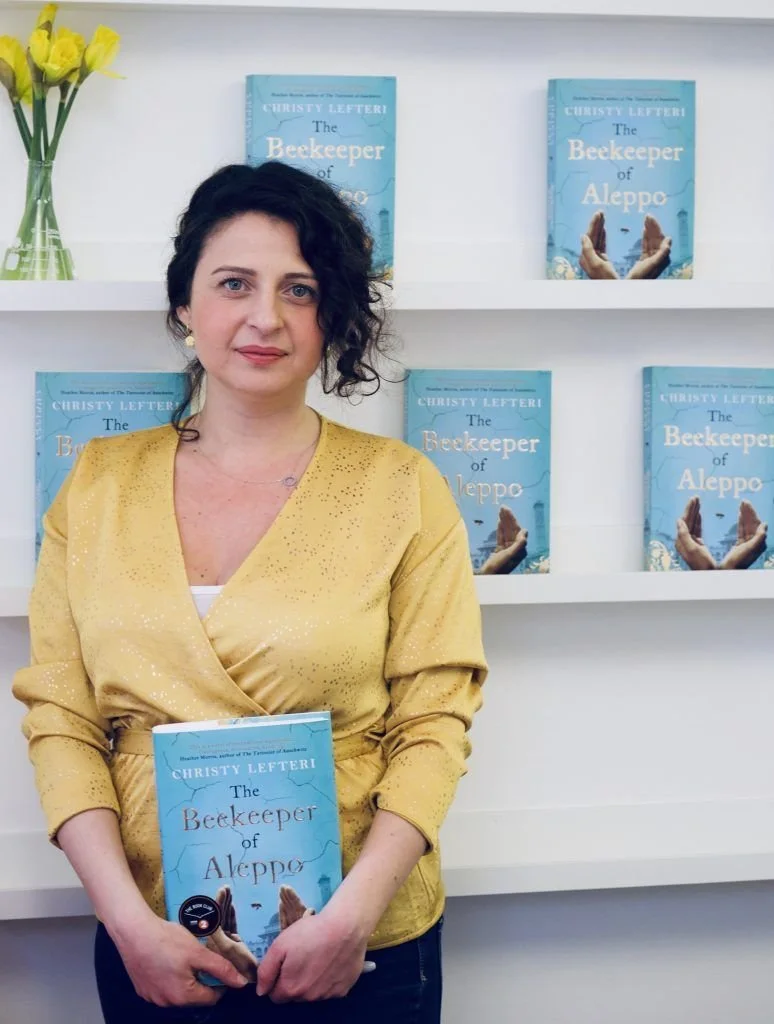
Christy Lefteri: Writing Memory, Migration & Humanity
Christy Lefteri is one of the most internationally recognized contemporary authors connected to Cyprus. Born in London to Greek Cypriot parents displaced after the events of 1974, her writing often explores exile, trauma, home, and the invisible emotional cost of conflict.
Her bestselling novel The Beekeeper of Aleppo became an international success, translated into dozens of languages. Though centered on Syrian refugees, the book’s themes of forced departure, identity, and rebuilding resonate strongly with Cyprus’s own history of displacement.
She later published Songbirds, inspired in part by migrant domestic workers in Cyprus, examining labor, belonging, and whose stories are often overlooked.
Why she matters: Lefteri gives voice to those living between worlds, a deeply Cypriot story in itself.
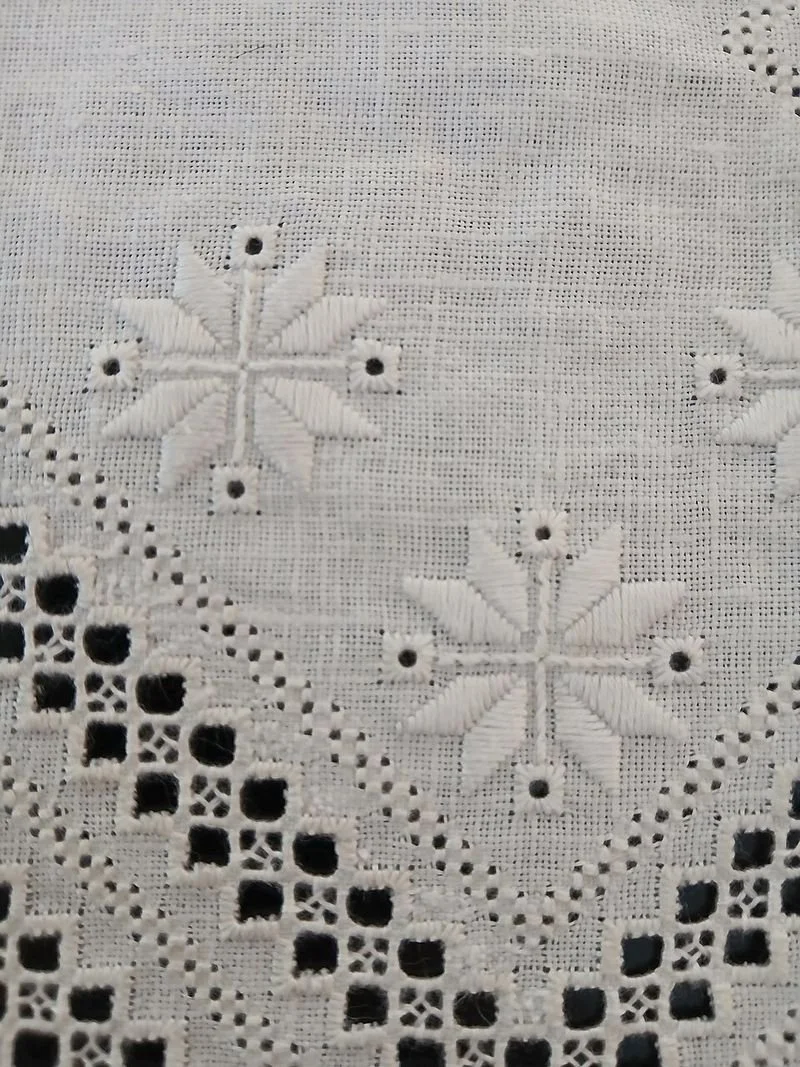
The Lacemakers of Lefkara: Women Preserving Cultural Heritage by Hand
In the mountain village of Lefkara, women have preserved one of Cyprus’s most iconic artistic traditions for centuries: Lefkaritika lace. Known for geometric precision and intricate needlework, the lace became so respected that local legend claims Leonardo da Vinci visited the village and purchased an altar cloth for Milan Cathedral.
Historically, lacemaking also created rare economic independence for rural women, many of whom sold textiles across the Mediterranean while sustaining households at home. Today, Lefkaritika is recognized by UNESCO as Intangible Cultural Heritage, ensuring the tradition continues for future generations.
Why they matter: They transformed domestic skill into cultural legacy, artistry, and economic agency.
Maria Hadjimichael: Protecting the Sea That Shapes Cyprus
Maria Hadjimichael represents a new generation of Cypriot leadership focused on the future of the Mediterranean.
Her academic work explores ocean governance, fisheries justice, marine conservation, and how coastal communities can be included in environmental decision-making. In a region facing overfishing, plastic pollution, and climate stress, these questions are urgent.
For Cyprus, an island whose identity has always depended on the sea, protecting marine ecosystems is about more than nature. It is about food systems, livelihoods, biodiversity, and long-term resilience.
Why she matters: She helps redefine patriotism through stewardship, caring for the waters that sustain the island.
Thea & Evi: Women Reimagining Sustainable Cyprus
Thea Christoforou and Evi Charalambous are part of a younger generation of women shaping Cyprus through environmental action and community leadership.
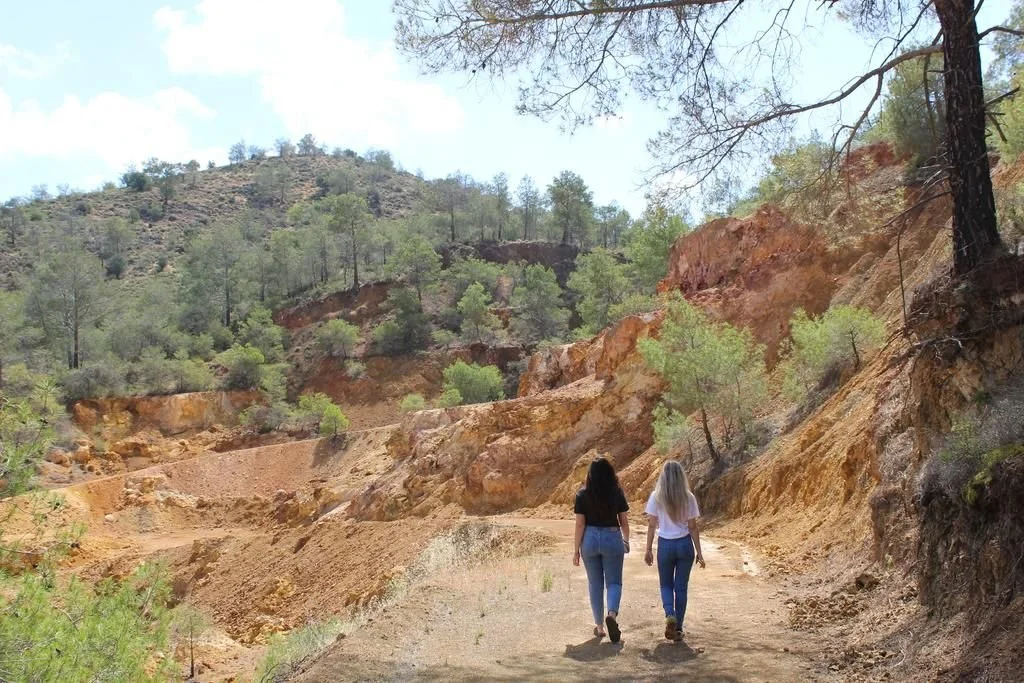
Originally from Mathiatis, a village near the Troodos Mountains, they helped lead local resistance against plans to reopen a gold mine just two kilometers from their community. Their campaign highlighted threats to forests, wildlife, and a culturally significant landscape tied to ancient mining history.
As younger women in a traditionally conservative setting, they also challenged assumptions about who gets to lead. Through persistence and organizing, they became central voices in the movement. But their vision reaches beyond protest. Thea and Evi advocate for a different future for Cyprus, one rooted in eco-tourism, agritourism, heritage education, and protecting the landscapes that define local identity.
Why do they matter? They show that defending a place can also mean creating a more sustainable future.
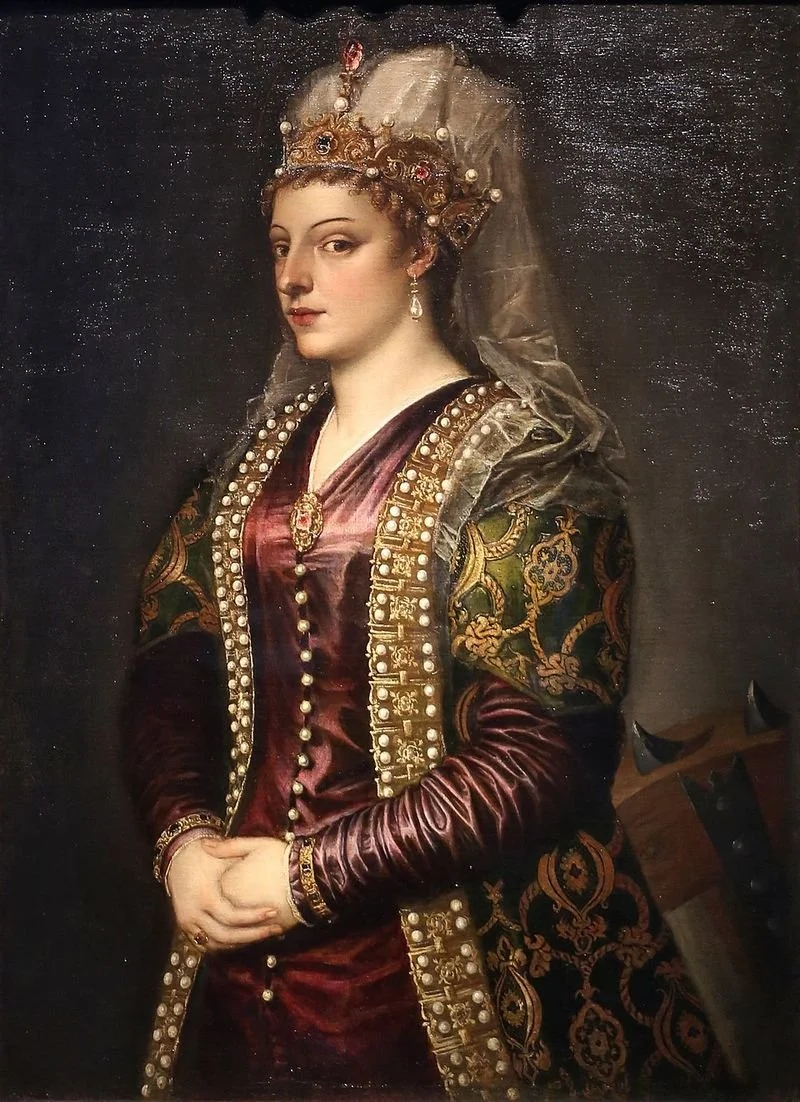
Caterina Cornaro: The Queen Who Linked Cyprus to Venice
Caterina Cornaro became the last reigning Queen of Cyprus in 1474, during one of the island’s most politically consequential eras.
Born into a powerful Venetian family, she married King James II of Cyprus as part of a strategic alliance. After his death, she ruled until Venice pressured her to abdicate in 1489, bringing Cyprus under Venetian control.
Her life later inspired operas, paintings, and Renaissance mythology, but behind the romance was a woman navigating diplomacy, widowhood, empire, and power in a male-dominated world.
Why she matters? Her story mirrors Cyprus itself — desired, contested, and shaped by forces beyond its shores.
What These Women Reveal About Cyprus
Together, these women tell a richer story of Cyprus.
Not just beaches and sunshine. Not just ruins and resorts.
But a place shaped by:
memory and migration
handcraft and resilience
ecology and responsibility
community innovation
centuries of cultural exchange
To travel Cyprus well is to notice these deeper currents.
Explore Trips That Empower Women
If you’re inspired to experience Cyprus through the stories of these changemakers, our Cyprus retreat offers an immersive way to connect with the island through culture, community, and meaningful local experiences. Travel beyond the surface as you meet the people preserving heritage, protecting landscapes, and shaping Cyprus today.
Join us to celebrate women, learn from local communities, and make your travels more intentional.
MORE BLOGS LIKE THIS


Upcoming Small Group Trips Around the World



FAQs
-
Notable women connected to Cyprus include author Christy Lefteri, marine researcher Maria Hadjimichael, environmental organizers Thea Christoforou and Evi Charalambous, the historic lacemakers of Lefkara, and Caterina Cornaro, the island's last reigning queen.
-
Christy Lefteri is a Greek Cypriot author best known for her novel The Beekeeper of Aleppo, which explores displacement and identity, as well as Songbirds, which draws on the experiences of migrant domestic workers in Cyprus.
-
Lefkaritika is a traditional lace handcrafted by women in the village of Lefkara, Cyprus, recognized by UNESCO as Intangible Cultural Heritage. It historically provided rural women with economic independence through textile trade.
-
Caterina Cornaro, a member of a powerful Venetian family, was the last reigning Queen of Cyprus, ruling from 1474 until she was pressured to abdicate in 1489, after which the island came under Venetian control.
-
Thea Christoforou and Evi Charalambous led local resistance against reopening a gold mine near Mathiatis, Cyprus, highlighting threats to forests and wildlife while advocating for sustainable alternatives like eco-tourism and agritourism.
-
Since 1974, Cyprus has remained politically divided between the Republic of Cyprus and the Turkish-controlled north, a division that continues to shape the island's identity and communities.




Explore the power of Egyptian women — from ancient queens to today’s innovators, entrepreneurs, athletes, and activists shaping the country. Discover their stories before your trip.