
Beyond the Souvenir Shop: Meaningful Gifts to Bring Home From Peru
Written by: Sophie Echeverry
There comes a point near the end of almost every trip when you look at your suitcase and begin making questionable calculations.
Surely there’s room for one more sweater. And some chocolate. And salt. And maybe that ceramic bowl if you wrap it in three shirts. Peru does not make this process particularly easy.
While you explore Cusco and the Sacred Valley, markets, workshops and small shops are filled with things that carry pieces of the Andes home with you: textiles woven with patterns passed down through generations, alpaca wool soft enough to reconsider your entire wardrobe, cacao grown in the forests surrounding Cusco, intensely fruity ají peppers and salt harvested from mountainsides.
But what you buy matters, too.
The best gifts from Peru aren't necessarily the ones with the biggest llama on them. They're the ones that help you remember where you've been while putting your money back into the hands of the people who grow, weave, make and preserve the traditions behind them.
So, if you're wondering what to buy while discovering the Sacred Valley in Peru, here are some of our favorite things to look for, and what to know before you start filling that suitcase.
Before You Shop: Bringing Home Something That Actually Supports Peru
Where you spend your soles can become part of how you travel.
Whenever possible, we recommend buying directly from local artisans, producers, cooperatives, social enterprises and independent Peruvian businesses. For food, herbs and agricultural products, look for producers working with local crops and sustainable or regenerative farming practices.
And ask questions.
If you're buying a textile, don't stop at “Is this handmade?” Ask who made it. Where was it woven? What fiber was used? Are the colors natural dyes or synthetic?
Not every colorful textile sold in Cusco was woven in the Andes, just as not every incredibly soft sweater labeled “baby alpaca” is necessarily 100% baby alpaca. A suspiciously low price can be a reason to ask a few more questions.
This isn't about becoming an expert before buying a scarf. It's about being curious about the person, material and tradition behind what you're taking home.
One More Thing Before You Fill Your Suitcase
Food souvenirs deserve an extra check before you buy them. Customs and agricultural restrictions vary depending on where you're traveling home to. Meat, dairy products, fresh fruits and vegetables are commonly restricted categories, and rules can change.
Packaged chocolate, coffee, dried foods, spices and grains are often much easier travel companions, but always check the current customs regulations for your destination before packing food or plant products.
Now, onto the fun part.
What to Buy in Cusco and the Sacred Valley
1. Alpaca Scarves, Sweaters and Chullos
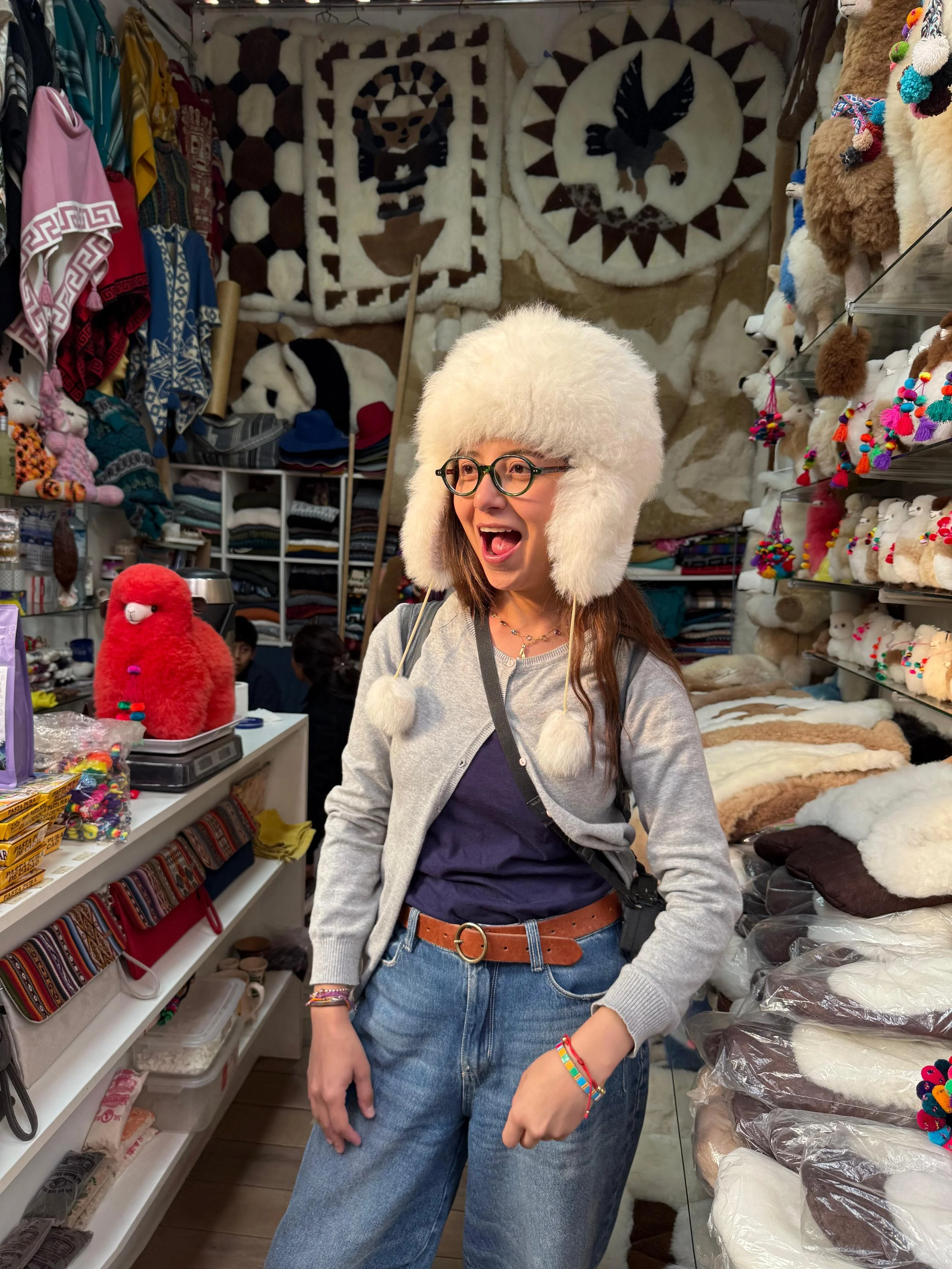
Warm, incredibly soft and actually useful once you're home, alpaca scarves, sweaters and chullos are classics for a reason. Quality varies, though, so check the fiber content and be wary of suspiciously cheap “100% baby alpaca.”
For reliable Peruvian brands, look for Sol Alpaca and KUNA, or buy directly from artisans when you have the opportunity.
2. Handwoven Andean Textiles
For something more personal, look for handwoven textiles, particularly around Chinchero, where weaving traditions are still deeply connected to local communities, natural materials and generations of knowledge.
And don't just ask, “Is this handmade?” Ask who made it, where it was woven and what fibers and dyes were used. The answers are part of what makes the piece worth bringing home.
3. The Chakana, or Andean Cross
You'll spot the geometric Chakana across jewelry, textiles, ceramics and artwork throughout the Andes. Rather than choosing it simply as a pretty symbol, learn a little about its significance in Andean culture and look for pieces made by local artisans.
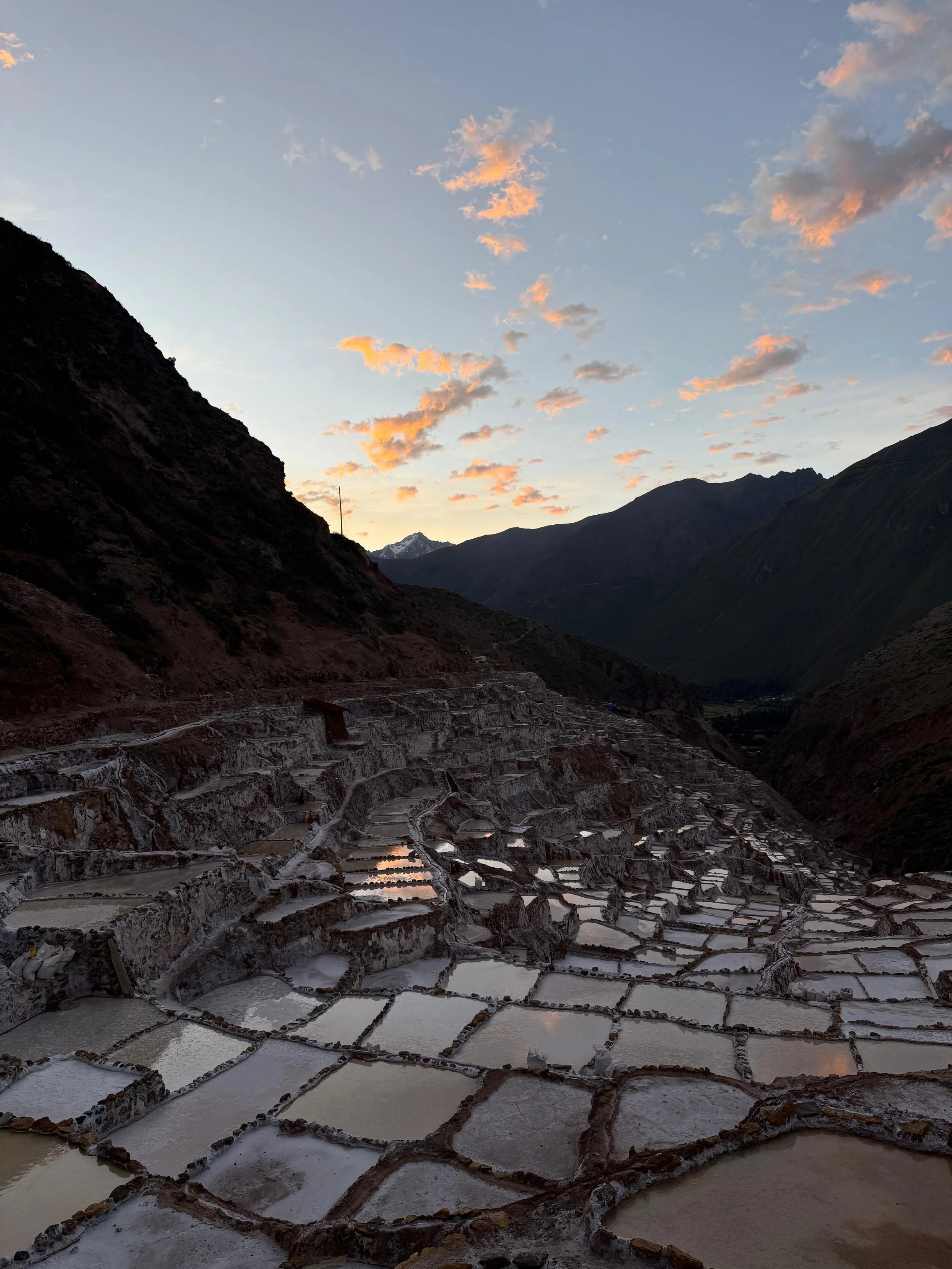
Maras Terraces by Sophie
4. Maras Salt
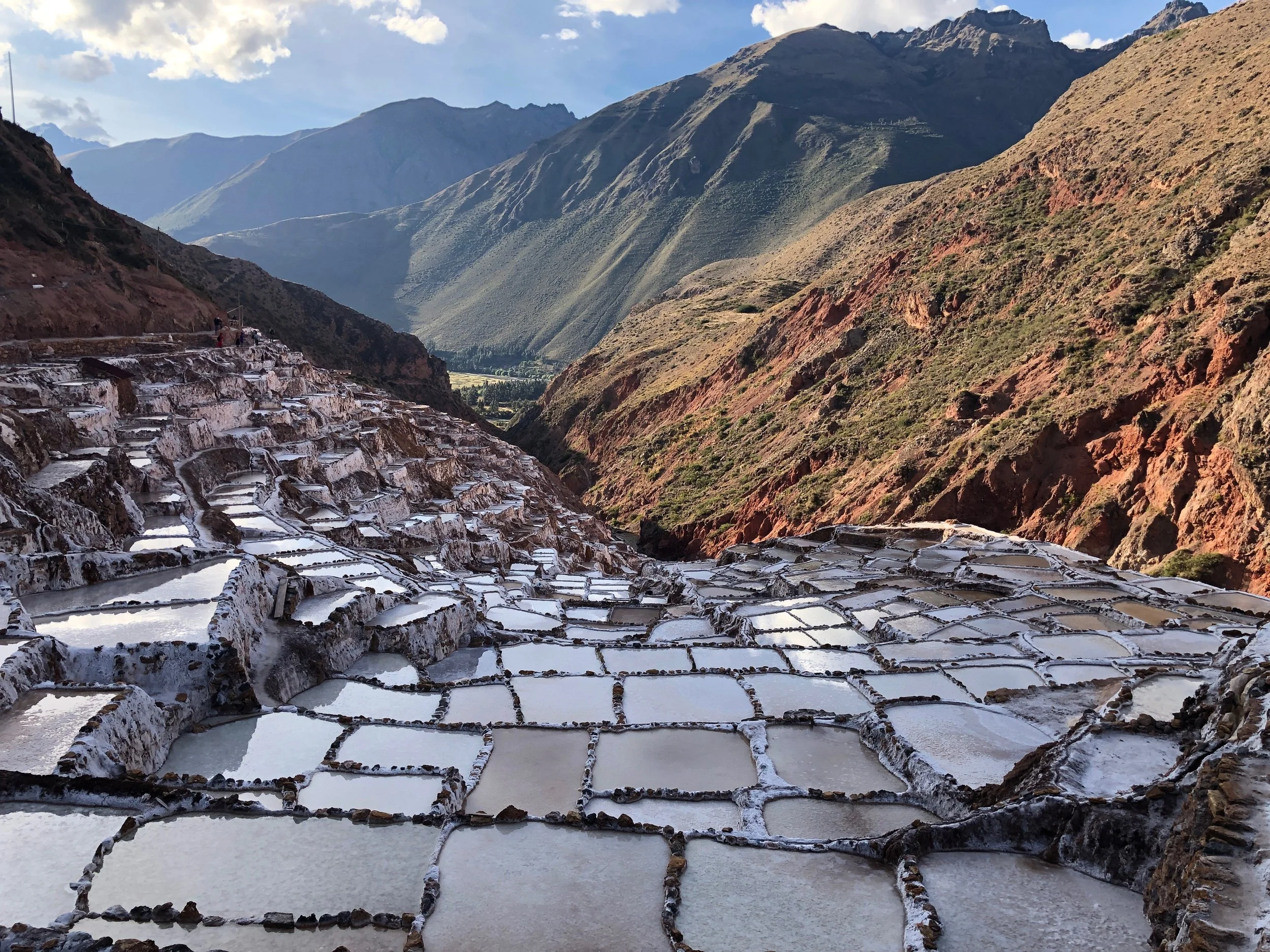
Harvested from the spectacular salt terraces of Maras, this might be one of the easiest pieces of the Sacred Valley to take home. Look for pink salt, fleur de sel and even bath salts produced locally.
Small, useful, affordable, and your next dinner suddenly comes with a story.
5. Peruvian Stones and Jewelry
Peruvian pink and blue opal and chrysocolla are among the stones worth investigating when browsing jewelry in Cusco. But don't assume a stone is Peruvian simply because it's being sold there. Ask what the stone is, where it was mined and where the jewelry was made. Look for sellers who can actually answer.
6. Peruvian Chocolate and Chuncho Cacao
Chocolate is an easy yes, especially when it's made with Chuncho cacao, native to the Cusco region. Look for bean-to-bar chocolate that identifies where its cacao was grown.
One of our favorites is Florencia y Fortunata, a Peruvian company working to create more opportunities for women throughout the cacao and chocolate industry.
7. Peruvian Coffee
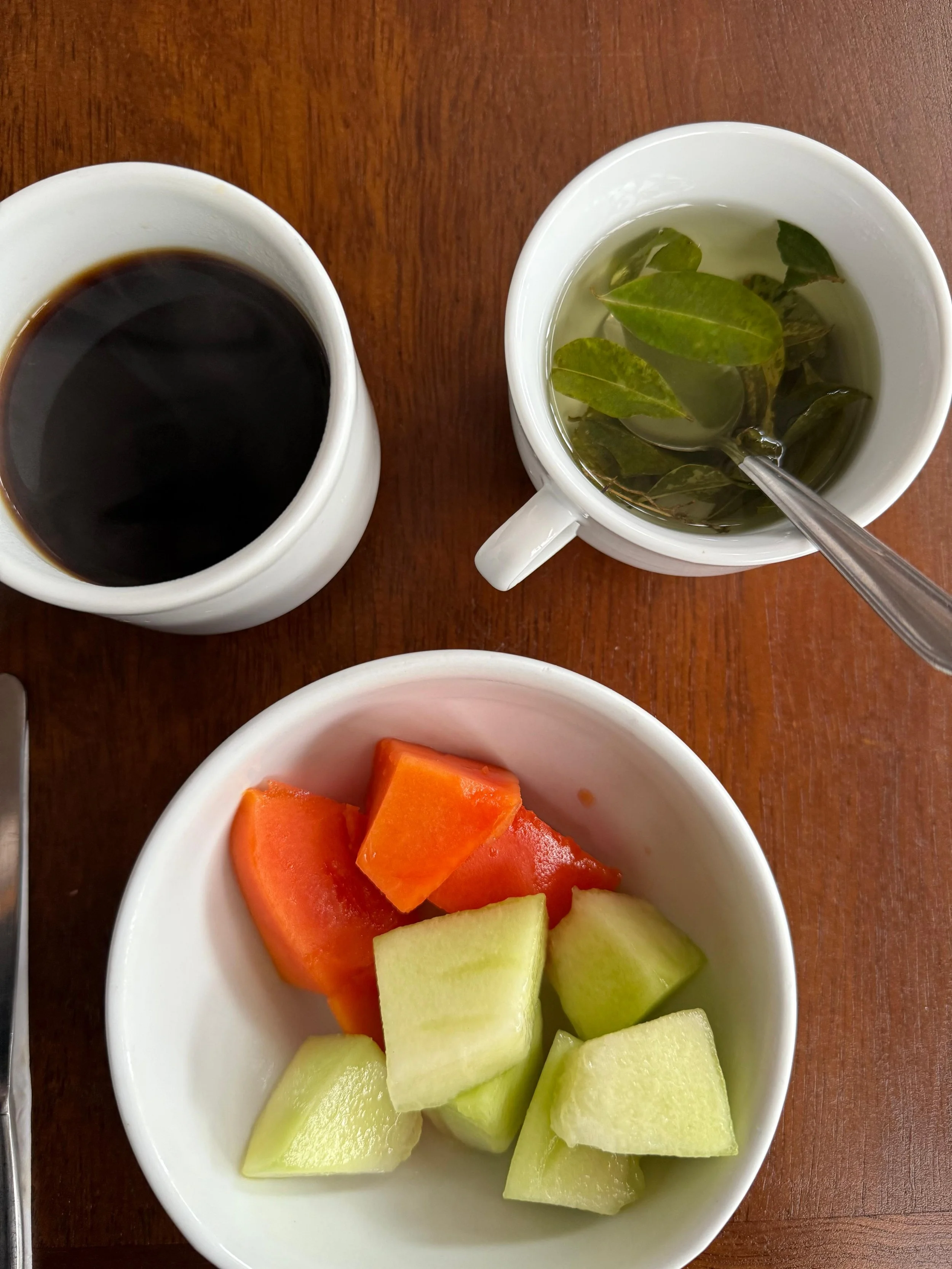
A bag of locally grown coffee is one of those gifts you might end up keeping for yourself. Look for beans that identify their region and producer rather than anonymous “Peruvian coffee.”
At El Albergue in Ollantaytambo, where we stay during our Peru journey, you can also discover coffee and other products connected to the Sacred Valley.
8. Muña Tea
Fresh and mint-like, muña is an Andean herb you'll often encounter as an infusion during travels at altitude. A commercially packaged bag of dried muña is lightweight, inexpensive and wonderfully evocative of the mountains. Just check your destination's rules for bringing dried herbs home.
9. Cancha and Chulpi
Crunchy toasted corn is considerably easier to pack than pottery. Cancha, made by toasting dried chulpe corn until salty and crunchy, has been eaten in Peru for centuries, often in place of bread.It’s an inexpensive, very Peruvian snack to bring home—if you can resist snacking on the whole bag before your flight lands.
Look for sealed, locally produced packages to make traveling with it easier.
10. Quinoa and Amaranth
Forget the “superfood” marketing for a moment: quinoa and amaranth have been cultivated in the Andes for thousands of years. They make simple, useful gifts for anyone who loves to cook. Whenever possible, choose locally grown grains from producers who identify where and how they're grown.
11. Dried Aguaymanto
Sweet, tart and extremely snackable, aguaymanto, or goldenberry, is another Andean flavor worth taking home. Fresh fruit can create customs problems, so sealed packages of dried aguaymanto are the much more suitcase-friendly option.
12. Ají Amarillo and Ají Panca Paste
Want your kitchen to taste a little more like Peru after falling for one of the world’s most famous cuisines? Pack the peppers.
Ají amarillo is bright, fruity and spicy, while ají panca is darker, richer and generally milder. Sealed pastes are easy to transport and even easier to start experimenting with once you're home.
What About Palo Santo?
You'll encounter palo santo for sale in Peru, but this is one purchase where the word “ethical” needs to mean more than something printed on a label.
Palo santo (Bursera graveolens) grows in Peru's dry forests, particularly in the north of the country. Sustainable harvesting practices focus on naturally dead, dry and fallen trees rather than cutting living trees.
If you decide to buy palo santo, ask where it came from and how it was harvested. Look for a seller that can explain its supply chain and legal origin. If they can't, leave it behind.
A meaningful souvenir shouldn't come at the expense of the landscape it supposedly represents.
How to Shop for Authentic Souvenirs in Cusco
How can you tell if an alpaca product is authentic?
Start with the label, but don't end there. Ask what percentage of the garment is alpaca and whether it's a blend. Terms such as “baby alpaca” refer to fiber quality rather than simply meaning the wool came from a baby animal.
Very inexpensive products advertised as luxury alpaca should make you curious. Established alpaca stores and reputable artisan sellers should be able to tell you exactly what you're buying.
Where should you buy textiles in Cusco and the Sacred Valley?
Chinchero is particularly worth visiting if you're interested in understanding the weaving process rather than simply purchasing the finished product. Buying directly from artisan associations and weaving communities gives you the opportunity to ask who created the textile, what materials were used and what its designs represent.
San Pedro Market in Cusco offers an enormous variety of goods, but quality and provenance can vary, so ask questions before buying.
Should you bargain with artisans in Peru?
Bargaining is common in some Peruvian markets, but context matters.
There's a difference between negotiating a market price and pushing an artisan down over a small amount for something that took days to make. If someone can explain who made an item, how it was produced and how much work went into it, let that information become part of how you decide what a fair price looks like.
How do you know if something is really locally made?
Ask specific questions.
“Where was this made?” will usually tell you more than “Is this local?”
Ask who made it, what materials were used and whether the seller works directly with the artisan or producer. Someone genuinely connected to a product can usually tell you a lot more about it than the price.
Can you bring food souvenirs home from Peru?
Often, yes — but it depends on your destination.
Packaged chocolate, roasted coffee, dried snacks and commercially prepared sauces may be easier to travel with than fresh or animal products, but customs and agricultural regulations differ by country. Always check your government's current rules before purchasing food specifically to bring home.
So, What Is Actually Worth Buying in Peru?
The answer isn't necessarily the most expensive thing you can fit in your luggage.
The things we love bringing home from a trip are the ones that keep a connection alive: to a flavor, a landscape, a person or a story.
And when the money you spend supports the people preserving and creating those things, that little piece of Peru you're bringing home can mean something on both sides of the journey.
Want to Discover the Places Behind the Gifts?
The best part about shopping in Peru isn't really the shopping.
It's meeting the people behind what you bring home, walking through the landscapes where ingredients are grown and understanding why these traditions have lasted for generations.
On our Peru journey, we explore Cusco and the Sacred Valley before continuing toward Machu Picchu, with experiences designed to bring you closer to the culture, history, food and people of the Andes.
more peru blogs

faqs
-
Some of Peru's best-known gifts include alpaca clothing, handwoven Andean textiles, silver jewelry, Peruvian chocolate and coffee, ceramics and local food products. In Cusco and the Sacred Valley, Maras salt, textiles from Andean weaving communities and products made from regional cacao are especially connected to the places travelers visit.
-
If you're looking for something specifically connected to Cusco, consider handwoven textiles, alpaca garments, Peruvian chocolate made with cacao from the Cusco region, locally roasted coffee, Andean ingredients and jewelry made by local artisans.
-
Avoid products made from protected wildlife, archaeological artifacts or anything whose legal or ethical origin seems questionable. Be cautious of products advertised as handmade, pure alpaca, locally mined or traditionally produced when the seller cannot explain their origin.
-
Yes. Cusco has everything from large markets to artisan shops, established Peruvian brands and specialty food stores. The surrounding Sacred Valley also offers opportunities to buy closer to the source, particularly when visiting weaving communities, farms and small producers.
-
You don't have to buy an alpaca sweater for everyone you know. Maras salt, chocolate, coffee, canchita, dried aguaymanto, muña tea and ají paste are all small, relatively easy-to-pack gifts that still have a strong connection to Peru.


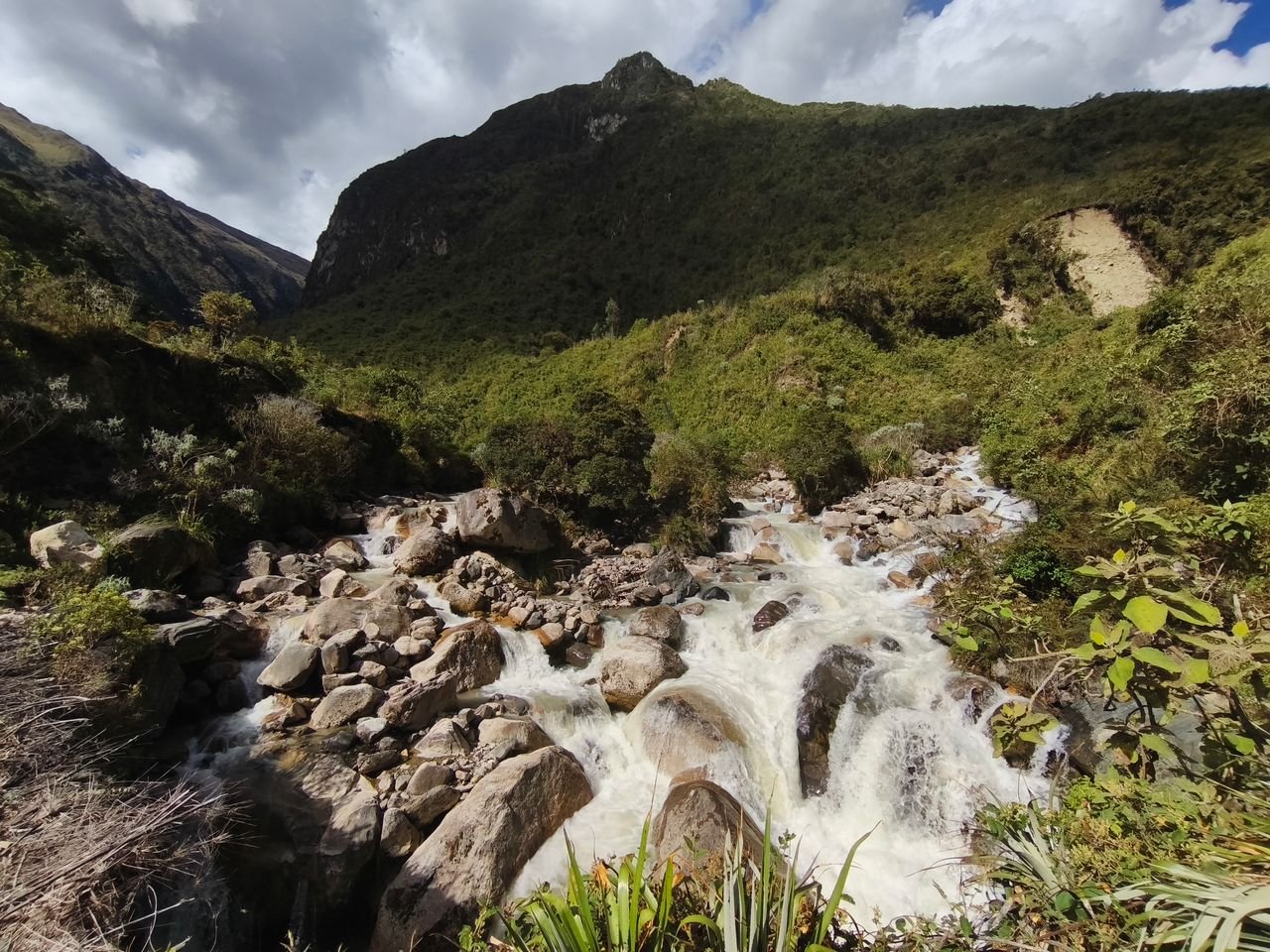
Looking for an alternative to the Inca Trail? Discover the Vilcabamba Trek through ancient Inca paths and remote Andean valleys.