
Beyond the Souvenir Shop: Meaningful Gifts to Bring Home From Jordan
Written by: Sophie Echeverry

Photo by Jim Hill
You start thinking you'll bring home a little za'atar, and suddenly you're figuring out whether olive oil, a mosaic and half the Dead Sea can fit in your luggage—Jordan has a way of doing that. But as always, what you buy matters just as much as what you bring home.
The best gifts from Jordan connect you with the people, landscapes and traditions you've encountered along the way. And when you buy directly from local artisans, farmers, women's cooperatives and social enterprises, your souvenir can support the communities and makers keeping those traditions alive.
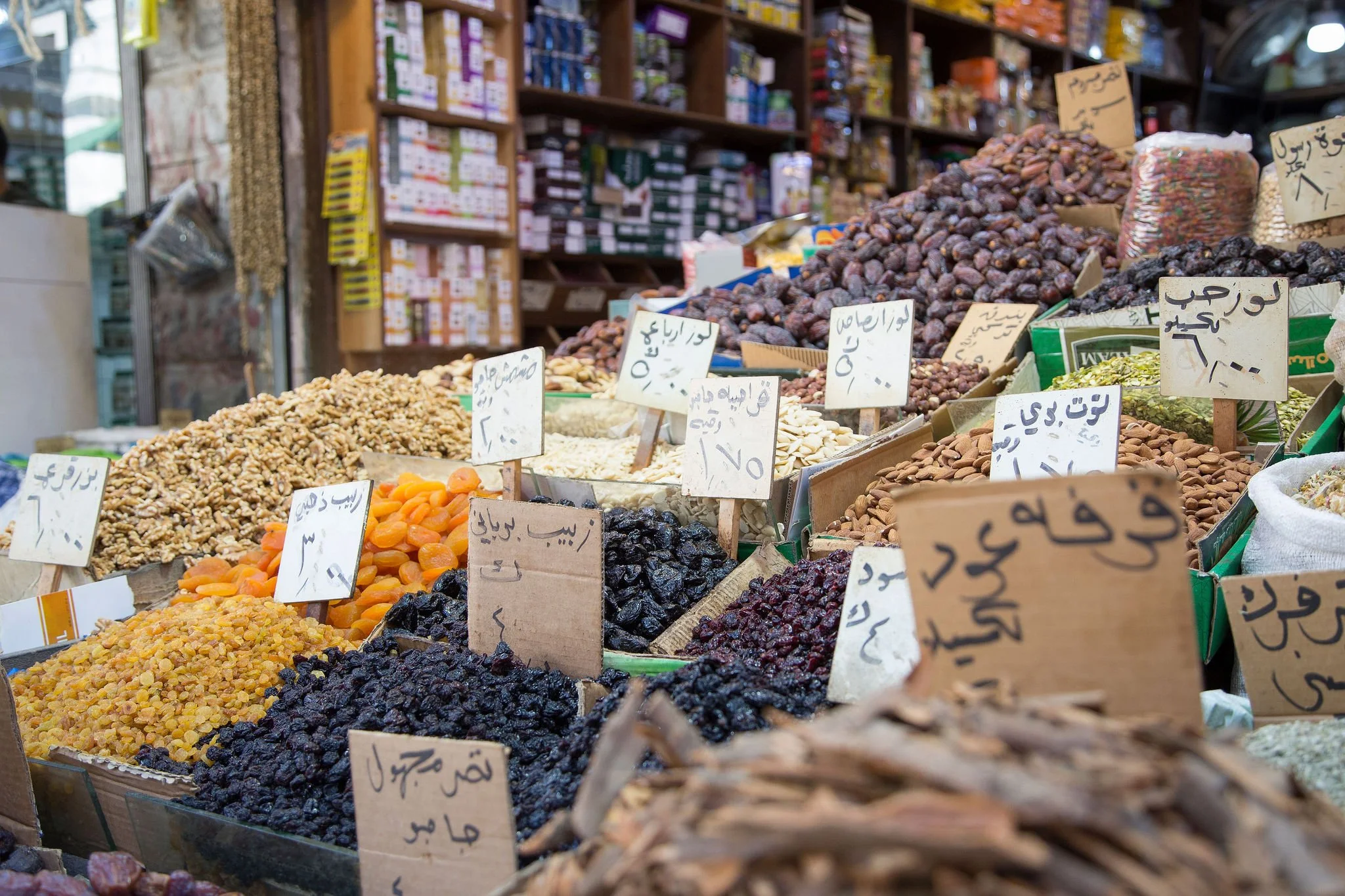
Some of the best shopping in Jordan happens close to where things are made. Look for spice shops and food producers in Amman, mosaic workshops in Madaba, women's cooperatives in rural communities, and social enterprises that work directly with artisan makers.
So before you start negotiating with the people in the markets—and even your suitcase—here are some of our favorite gift ideas to look for as you explore Jordan, and what to know before buying them.
Before You Shop: Bringing Home Something That Actually Supports Jordan
Where you spend your dinars can become part of how you travel.
Whenever possible, buy directly from local artisans, small producers, women's cooperatives and social enterprises. Jordan has some wonderful initiatives using tourism and traditional crafts to create income within local communities, from weaving projects to small-scale food production.
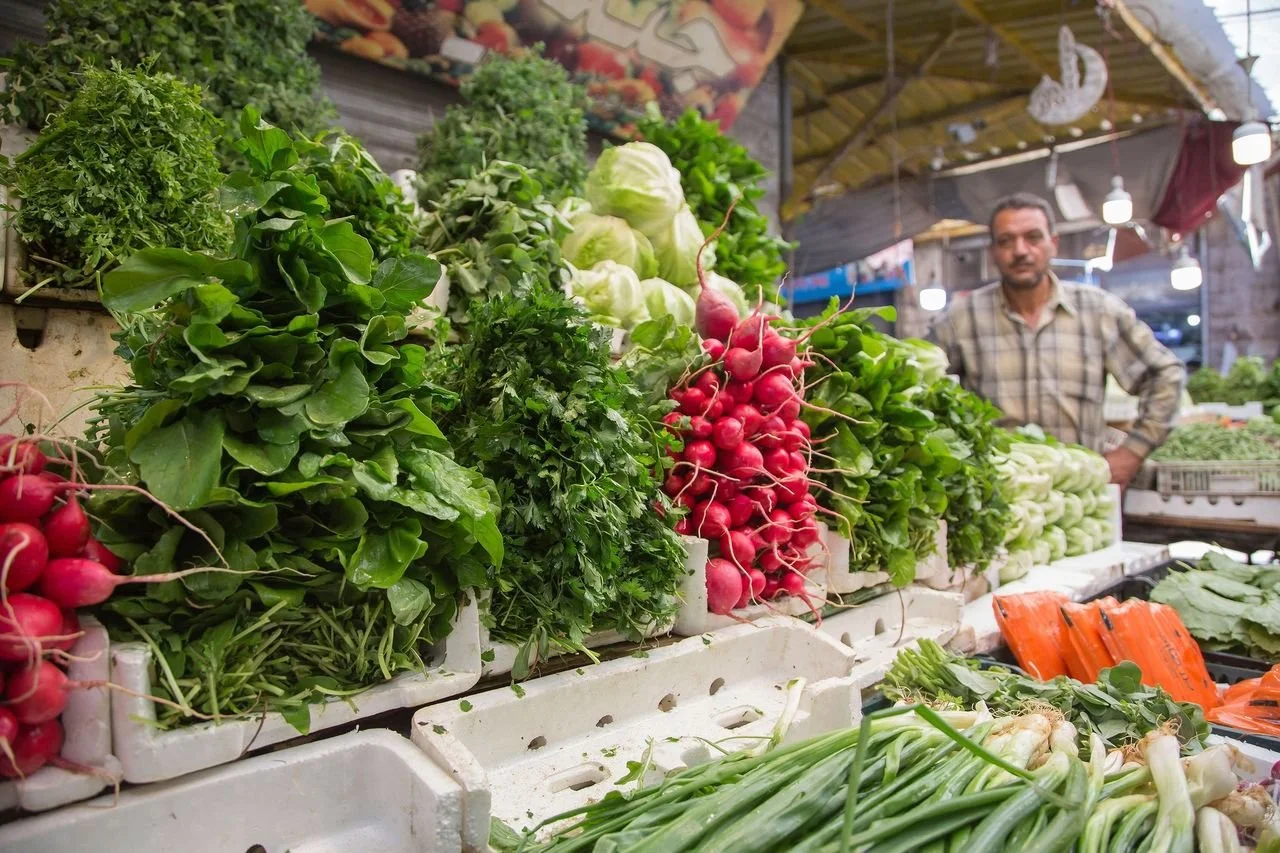
For food, herbs and olive oil, look for producers who can tell you where something was grown and how it was produced, particularly those working with sustainable agriculture and Jordan's limited natural resources.
Something being sold in Jordan doesn't automatically mean it was made in Jordan. Those few questions can help distinguish a locally made piece from something mass-produced for the tourist market.
One More Thing Before You Fill Your Suitcase
Food souvenirs deserve an extra check. Customs and agricultural restrictions depend on where you're traveling home to, with meat, dairy, fresh fruit and vegetables among the categories that commonly face restrictions.
Commercially sealed spices, dates, and other packaged foods are generally much easier to travel with, but always check the current customs and agricultural rules for the country you're returning to.
Also, never purchase antiquities or archaeological objects unless you are certain they are legally sold and documented. If so, you should receive a certificate upon purchase that customs may inspect before your departure.
Now let's see what we're making room for.
What to Buy in Jordan
1. Za'atar, Sumac and Jordanian Spice Blends
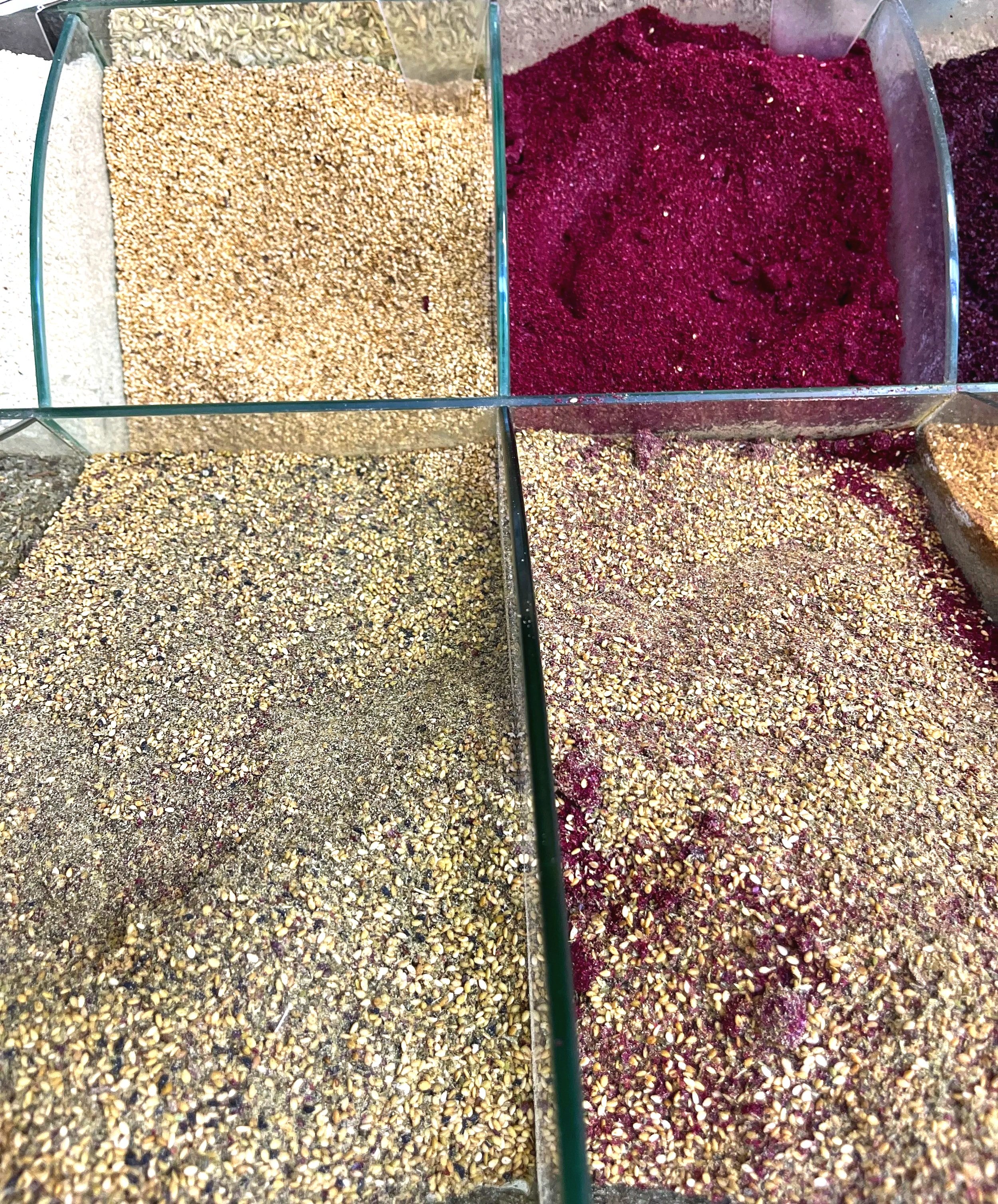
If Jordan had a flavor you could fit into your suitcase, za'atar and sumac would be strong contenders.
Za'atar mixes herbs with ingredients such as sesame, sumac and salt, with recipes varying between families and producers. Sumac brings the tart, almost lemony flavor you'll recognize from countless dishes across the Levant.
Buy from local spice shops or producers where you can ask what's actually in the blend. Then prepare to start putting za'atar on absolutely everything.
Where to find: Local spice shops and food producers, particularly in Amman and traditional markets.
Skip: Mystery mixes with no ingredient information when a local spice seller can make or recommend something for you instead.
2. Jordanian Olive Oil
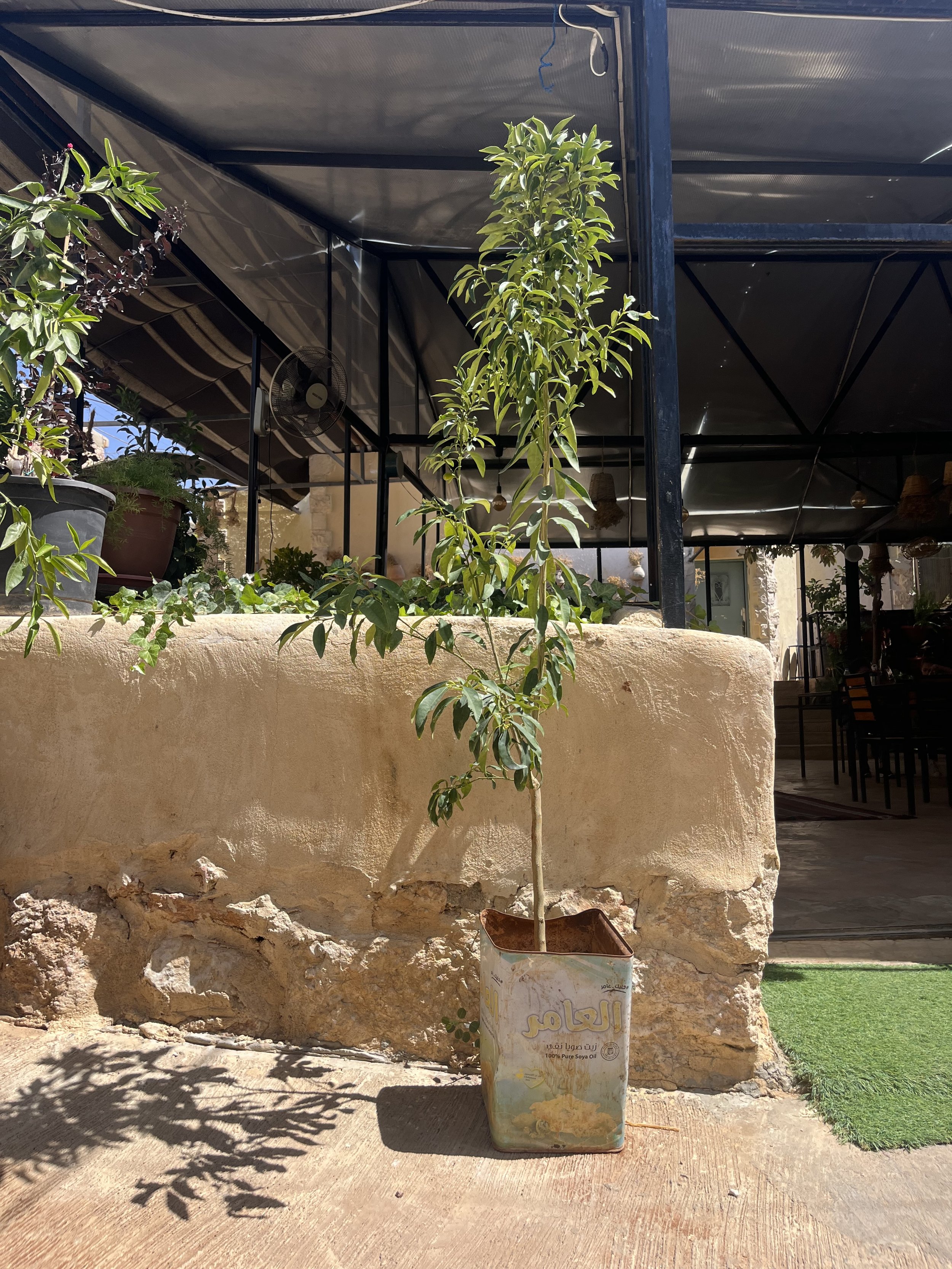
Olive oil isn't just something you'll encounter at nearly every Jordanian table. Olive cultivation has deep roots in the region, making a locally produced bottle a particularly delicious piece of the landscape to take home.
Look for Jordanian-grown, cold-pressed olive oil from producers or cooperatives that can identify where their olives were grown.
Just remember: this is one for the checked suitcase. Wrap accordingly. We take no responsibility for olive-oil-scented socks.
Where to find: Olive farms, local producers, cooperatives and specialty food shops selling Jordanian-grown olive oil.
Look for: Cold-pressed oil with a clearly identified Jordanian producer and place of origin.
Skip: Bottles that rely heavily on Jordanian imagery without clearly telling you where the oil actually came from.
3. Hand-Drawn Cards and Jordanian Art
Hand-drawn cards, prints and illustrations from Jordanian artists are lightweight, affordable and support the country's contemporary creative community.
The Wild Jordan Center in Amman is one of our favorite places to browse for locally made pieces and small gifts — particularly useful when your suitcase has already informed you that another bottle of olive oil isn't happening.
Where to find: Local galleries, design shops, artist studios and social enterprises in Amman, including the Wild Jordan Center.
Look for: Pieces that identify the individual Jordanian artist or designer behind them.
Ask: Who created it? Was it designed and produced in Jordan?
4. Medjool Dates
Sticky, caramel-like and dangerously easy to snack on, Medjool dates are one of the easiest edible gifts to bring home from Jordan.
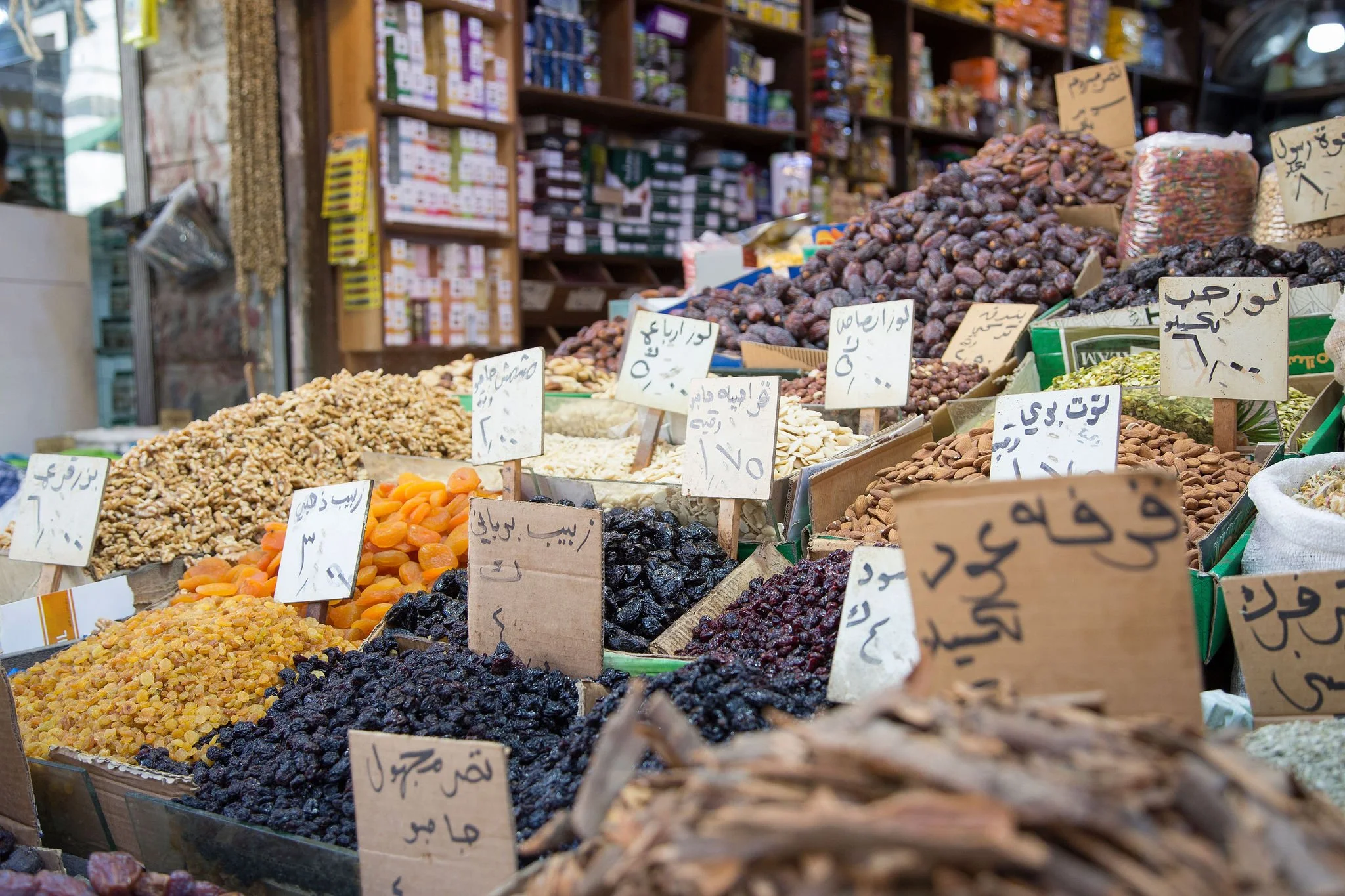
Photo by Beth Wild
Jordan is a major producer of Medjool dates, particularly in the Jordan Valley. You'll also encounter dates from neighboring Palestine. If buying Palestinian dates, look for clearly identified Palestinian producers rather than treating them generically as a Jordanian product.
Choose sealed packages that clearly state where the dates were grown — and perhaps buy an extra box for the journey home.
Where to find: Date producers, food shops, markets and cooperatives, particularly those sourcing from the Jordan Valley.
Look for: Sealed packages that clearly identify the country and preferably the farm or producer.
5. Dead Sea Salt and Clay
You visited the lowest point on Earth. Obviously you're going to consider taking some of it home.
Dead Sea products made in Jordan range from mineral salts and mud to soaps, scrubs and skincare products. Dead Sea salt, mineral-rich mud and clay products make easy gifts, but this is one category where the packaging can tell a better story than the product inside.
Look for Jordanian companies that clearly identify the origin of their Dead Sea minerals and where the final product was made. Don't assume that every blue jar with “Dead Sea” written across it was actually produced in Jordan.
Look for: A clear country of manufacture, ingredient list and information about the origin of the Dead Sea minerals.
Ask: Was the final product made in Jordan? Where were its minerals sourced?
Skip: Products using “Dead Sea” primarily as branding without clear information about their ingredients or origin.
6. Handmade Soap
Small, practical and considerably easier to transport than a mosaic, handmade soap is another lovely Jordanian gift.
You'll find soaps made with olive oil, goat's milk, herbs and Dead Sea minerals. Look for locally produced bars from artisan businesses, women's cooperatives and social enterprises, ideally with ingredients and origin clearly listed.
Your suitcase will smell good, too. Everybody wins.
Where to find: Artisan soap makers, women's cooperatives, social enterprises and locally focused shops.
Ask: Who made it? Where was it produced? Are the olive oil, herbs or other key ingredients locally sourced?
7. Bedouin Jewelry and Traditional Jordanian Handicrafts
Traditional Bedouin culture and craft can appear in jewelry, woven pieces and decorative objects, often drawing on patterns and techniques passed through generations. When buying jewelry or handicrafts marketed as Bedouin, ask who made it, where it was produced and what metal or materials were used. “Bedouin-style” and actually made by Bedouin artisans aren't necessarily the same thing.
Jordan has several community projects supporting women through traditional craft, making those especially worthwhile places to shop. The Bani Hamida , for example, works with women across multiple villages to preserve traditional Bedouin weaving while generating income for local families.
Where to find: Women's cooperatives, community tourism initiatives and social enterprises working directly with Bedouin artisans.
Look for: Pieces where the maker, community or cooperative is clearly identified.
Ask: Who made this? Where was it made? What materials were used?
8. Jordanian Shemagh and Keffiyeh
One of Jordan's most recognizable textiles is the red-and-white , called a shemagh. The term keffiyeh is broader, referring to the two-toned pattern, and the black-and-white term , keffiyeh, carries a particularly strong association with Palestinian identity.

Photo by Beth Wild
That makes this one worth understanding before treating it as simply a patterned scarf.
Look for locally produced pieces and ask where they were made. A genuine Jordanian-made keffiyeh may cost more than the mass-produced versions found throughout tourist markets, but that's precisely the point of shopping beyond the souvenir shop.
Where to find: Textile shops and sellers who can identify the origin and manufacturer of what they're selling.
Skip: Treating the different patterns as interchangeable fashion motifs without understanding their cultural context.
9. Bakhoor and Oud
If scent is one of the ways you remember places, this might be the gift that takes you back fastest.
Bakhoor generally refers to fragrant wood chips or incense blends burned to perfume a room, while oud refers to the prized aromatic agarwood used in fragrances and incense throughout the Middle East. Quality and ingredients vary enormously, so shop somewhere that lets you smell different options and can explain what you're actually buying.
Where to find: Established perfume, incense and fragrance shops, particularly in Amman.
Look for: Sellers who can explain the ingredients, scent profile and difference between the products they're offering.
Ask: Is this bakhoor a blended incense? Does this product contain real oud or an oud fragrance? How is it traditionally used?
10. A Handmade Madaba Mosaic
In Madaba, known as Jordan's “City of Mosaics,” the art form is part of a heritage stretching back to the Byzantine and Umayyad periods.
A small handmade mosaic is one of the most meaningful gifts you can bring home, particularly if you buy directly from a local artist or workshop. Ask where it was made and by whom rather than assuming every mosaic-style piece sold nearby was actually created in Madaba.
The city's Tourist Street is specifically recommended for local handicrafts and mosaic-related pieces, and Madaba is also home to an institute dedicated to training artists in mosaic restoration.
This one might require sacrificing a pair of shoes for suitcase space. We support your decision.
Where to find: Mosaic workshops, artisan studios and handicraft shops in Madaba.
Ask: Who made it? Was it made here in Madaba? What materials and techniques were used?
Skip: Mass-produced mosaic-style pieces with no connection to a local artist or workshop.
Beyond the Souvenir
The best souvenir from Jordan might cost only a few dinars.
It could be the za'atar you sprinkle over breakfast months later, a card drawn by a Jordanian artist, a mosaic whose maker you met in Madaba or the olive oil that takes you straight back to a meal shared around a Jordanian table.
What matters is the connection behind it. When you know who made something, where it came from and whose work your purchase supports, you're bringing home more than proof that you went somewhere.
And maybe that's the whole point of going beyond the souvenir shop.
Want to Discover the Places Behind the Gifts?
Our Jordan journey goes beyond the landmarks to connect you with the food, culture, landscapes and people behind them.
Taste, meet, wander, learn, and decide for yourself which pieces of Jordan deserve that precious remaining space in your suitcase.
more jordan blogs



faqs
-
Jordan is particularly known for Dead Sea products, olive oil, za'atar and other spices, dates, traditional textiles, Bedouin crafts, handmade soap and Madaba mosaics. The most meaningful choices are products made locally by identifiable artisans, farmers or community enterprises
-
Look beyond conventional souvenir shops toward local design stores, social enterprises and businesses that work directly with Jordanian makers. Wild Jordan Center is one of our favorite places to start, with locally made gifts connected to communities and conservation initiatives around Jordan.
-
Ask where it was made, who made it and what materials were used. Something being sold in Jordan doesn't necessarily mean it was produced there. Sellers working directly with local makers should be able to tell you more about a piece and its origins.
-
Check the label for its country of manufacture, ingredients and information about where the minerals were sourced. “Dead Sea” on the packaging doesn't automatically mean the product itself was made in Jordan.
-
Pay attention to both origin and cultural context. Jordan's red-and-white shemagh has a strong connection to Jordanian identity, while the black-and-white keffiyeh is particularly associated with Palestinian heritage. If supporting local production matters to you, ask where the textile itself was made.
-
Often, but customs rules depend on your destination. Commercially packaged spices and dates are generally easier to travel with than fresh foods, while olive oil also needs to follow baggage restrictions. Always check current customs and agricultural regulations before packing food products.
-
Za'atar, sumac, handmade soap, dates, cards from local artists and small packages of Dead Sea salt are all relatively inexpensive, easy to pack and still have a strong connection to Jordan.
-
Avoid archaeological artifacts, products made from protected wildlife or anything whose origin seems questionable. Be cautious with products advertised as handmade, Bedouin-made or authentically Jordanian when the seller can't explain who made them or where they came from.



Looking for meaningful Jordan souvenirs? Discover what to bring home, from za’atar and olive oil to Dead Sea salts, Bedouin crafts and Madaba mosaics.