
Beyond the Souvenir Shop: Meaningful Gifts to Bring Home From Cyprus
Written by: Sophie Echeverry

he biodiversity of Cyprus
You might arrive in Cyprus thinking you'll bring home a bottle of olive oil.
Then you discover Commandaria wine. And carob syrup. And rose water. And a lace-making tradition so intricate that suddenly you're wondering how much protection a tablecloth actually needs inside a suitcase.
Cyprus makes it very easy to bring a little of the island home.
But the best Cyprus souvenirs are usually the ones with a clear connection to the island: local foods and/or products, traditional crafts, and handmade goods tied to particular villages, and makers: lace handmade in Lefkara, roses grown around Agros, sweets made from the grape harvest and baskets woven using techniques passed between generations.
So before you start reorganizing your luggage, here’s what to look for as you travel through Cyprus, how to find the real thing and why where you buy it matters.
Before You Shop: Bringing Home Something That Actually Supports Cyprus
Where you spend your euros can become part of how you travel.
Whenever possible, buy directly from local artisans, farmers, independent producers, cooperatives and social enterprises, especially women-led initiatives that help preserve traditional crafts while creating local income. Cyprus still has villages known for particular crafts and agricultural products, and buying closer to the source gives you a better chance of understanding who made or grew what you're taking home.
For olive oil, carob, herbs and other foods, look for producers connected to local and sustainable agriculture. For crafts, ask who made it, where it was made and what materials were used.
Something sitting in a Cypriot souvenir shop isn't automatically Cypriot.
One More Thing Before You Fill Your Suitcase
Customs restrictions depend on where you're traveling home to. Meat, dairy, fresh fruits and vegetables are among the products that commonly face restrictions, so that block of halloumi might need a little more investigation before joining you. For example, traveling with it from Cyprus to another EU country would be okay. Taking it home to the US or Canada would not.
Packaged sweets, spices and commercially prepared foods are usually less strict, but always check the current rules for the country you’re returning to before bringing food or agricultural products.
Now for the important question: what are we making room for this adventure in Cyprus?
Where to Find Authentic Cyprus Souvenirs
Some of the best places to shop for authentic Cyprus souvenirs are the villages and communities where traditional crafts and local products are still made. Rather than looking for one central souvenir market in an archeological site, follow the products back to their source.
In Lefkara, look for traditional Lefkaritika lace and handmade silver filigree. Agros is known for its rose products, while the pottery villages of Kornos and Foini are good places to find locally made ceramics. For traditional basketry, look to villages including Ineia, Akrotiri, Xylotympou and Avgorou.
For edible gifts, visit local producers, cooperatives and wineries where possible. Cyprus' wine villages are a natural place to look for Commandaria, while olive oil, carob products and traditional sweets can often be found directly from the producers who make them.
And if your travels don't take you through the villages, Cyprus Handicraft Centres offer a broader selection of traditional crafts, including lace, weaving, pottery, basketry and other locally made pieces.
The general rule? The closer you get to the maker, grower or producer, the easier it is to know the story behind what you're bringing home.
What to Buy in Cyprus
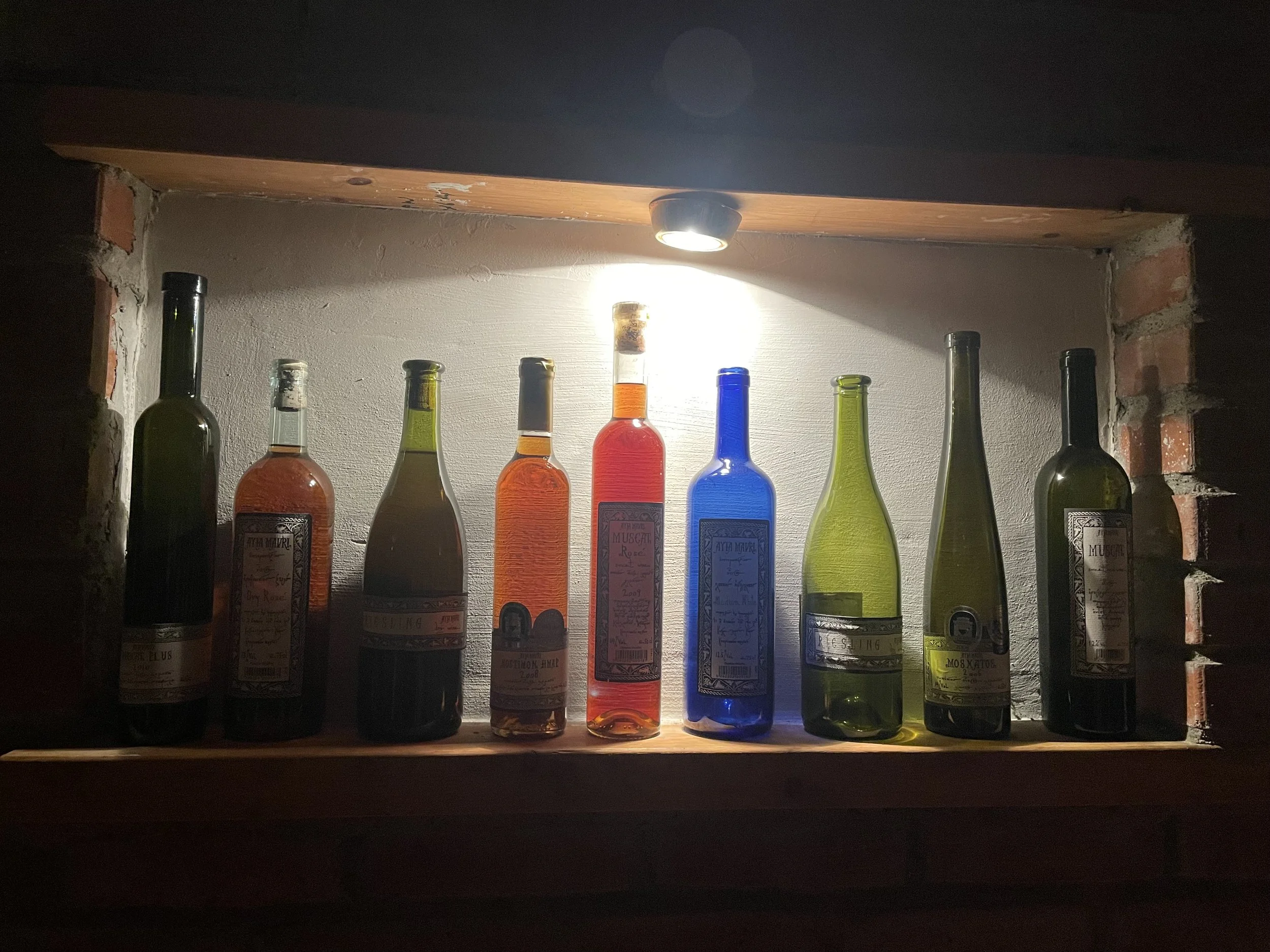
1. Commandaria Wine
Sweet, rich and deeply connected to the island, Commandaria isn't just another dessert wine.
Made from the indigenous Mavro and Xynisteri grapes, which are left to ripen before being dried in the sun, Commandaria has been produced in the same group of wine villages for centuries. Cyprus even lays claim to Commandaria as the world's oldest named wine still in production.
Look for bottles from Cypriot wineries, ideally after tasting a few first.
Research, obviously ;)
Where to find Commandaria wine: Follow the Commandaria Wine Route, which passes through 14 traditional wine-producing villages on the southern slopes of the Troodos Mountains. Visiting a local winery gives you the chance to taste before you buy and learn more about the Mavro and Xynisteri grapes behind the wine.
Look for: Commandaria produced by Cypriot wineries using the traditional Mavro and Xynisteri grapes.
Ask: Where was it produced? And yes, whether you can taste it first.
2. Carob Everything
Once known as Cyprus's “black gold,” carob has been cultivated on the island for thousands of years. Today you'll find it transformed into syrup, powder, sweets and snacks. The syrup is particularly easy to bring home and can be drizzled over yogurt, used in baking or substituted for other sweeteners.
Where to find carob in Cyprus: Look for carob products from local producers and cooperatives around the island. For something particularly connected to place, head to Anogyra, a village historically associated with carob growing and the traditional carob sweet pastelli.
Look for: Products made with locally grown Cypriot carob, particularly syrup, powder and traditionally made pastelli.
3. Loukoumi and Soutzoukos
Why bring home one Cypriot sweet when you could bring two?
Loukoumi is the soft, chewy sweet sometimes called Cyprus delight, with traditional flavors including rose and bergamot. Geroskipou near Paphos is particularly known for its production.
Then there's soutzoukos: almonds or walnuts threaded onto strings, repeatedly dipped into a thickened grape-must mixture and left to dry. The result looks slightly like a candle and tastes considerably better than one.
Where to find loukoumi and soutzoukos in Cyprus: Head to Geroskipou for loukoumi and look for soutzoukos in the wine-producing villages of the Troodos and Paphos regions, where it is traditionally made using grape must after the harvest.
Skip: Generic packaged versions when you have the opportunity to buy directly from a traditional producer.
4. Cypriot Olives and Olive Oil
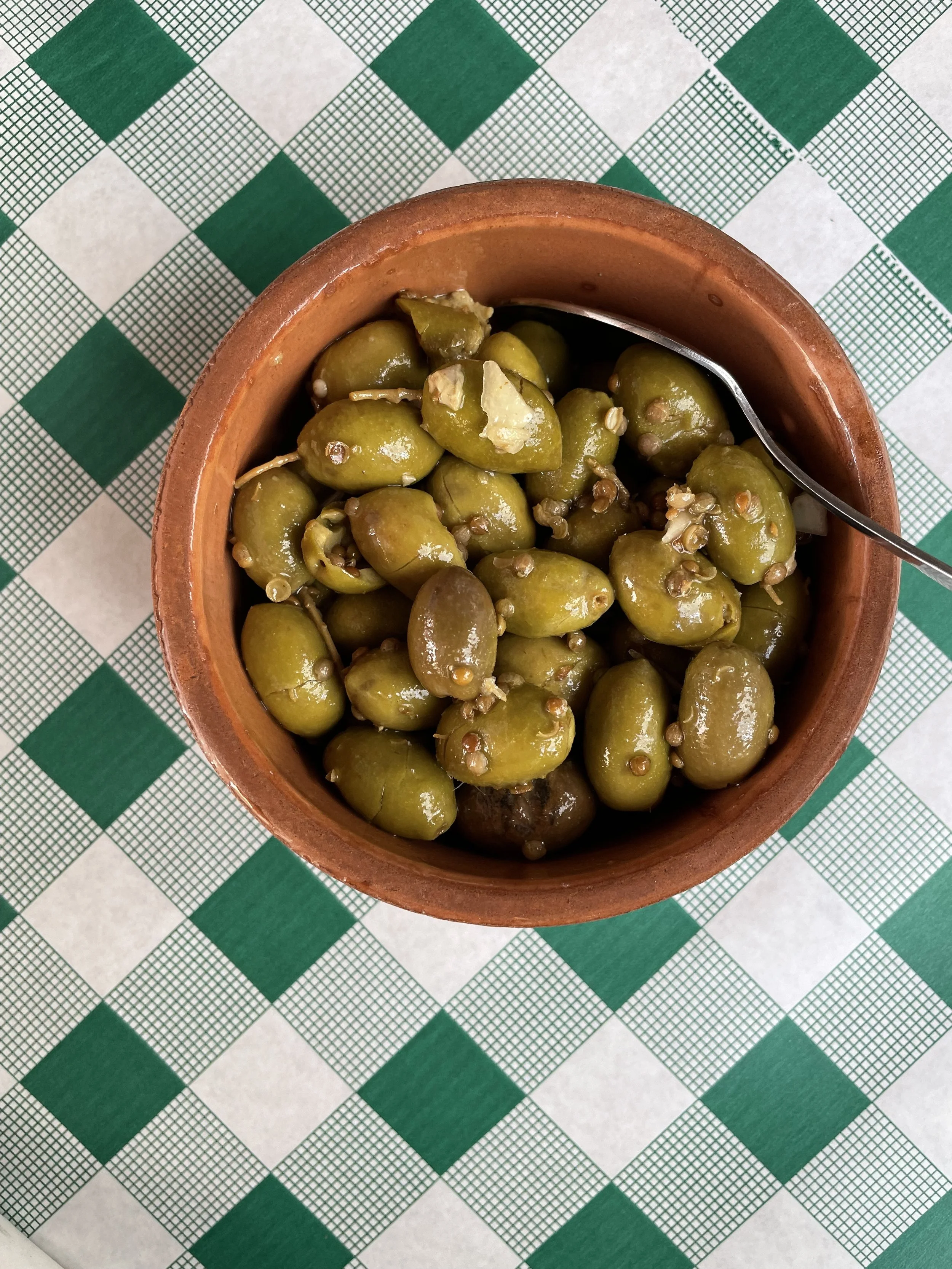
Olive groves have shaped both the landscape and kitchen of Cyprus for generations, making locally produced olive oil one of the most useful gifts you can bring home. Look for Cypriot-grown oil where the producer identifies the grove or region and, whenever possible, how the olives were cultivated.
And wrap the bottle well.
Where to find olives and olive oil in Cyprus: Look for olive farms, mills, small producers and cooperatives around the island, particularly those where you can taste the oil and learn where the olives were grown before buying.
Look for: Extra virgin olive oil made from Cypriot-grown olives, with a clearly identified producer and place of origin.
Skip: Bottles that lean heavily on Cypriot branding but don't clearly identify where the olives or oil actually came from.
5. Olive Oil Soap
A little easier on the luggage budget than lace, olive-oil-based soap is practical, lightweight and connected to one of the island's most important agricultural products. Look for bars made in Cyprus by small producers, particularly those using locally grown olive oil, herbs or botanicals.
Bonus: your suitcase smells considerably better on the way home than it did after a week of traveling.
Where to find olive-oil soap in Cyprus: Look for small local soap makers, artisan shops and Cyprus Handicraft Centres, particularly products that clearly identify where they were made and what ingredients were used.
Look for: Cyprus-made bars using locally produced olive oil and recognizable ingredients.
Ask: Was the soap made in Cyprus, and is the olive oil locally produced?
6. Lefkara Lace and Silver Filigree
If you're going to buy Lefkaritika lace, Lefkara itself is the place to understand why it matters.
The intricate embroidery tradition has been practiced in the village since at least the Venetian period and was inscribed on UNESCO's Representative List of the Intangible Cultural Heritage of Humanity in 2009.
But lace isn't the only craft worth looking for while you're there. Lefkara is also known for trifouri, the delicate art of twisting fine silver wire into intricate jewelry and decorative objects, a tradition still practiced primarily in the village today.
For both, look for workshops where you can learn about the process and ask who made the piece and whether it was actually made in Lefkara, rather than simply sold there. Traditional Lefkaritika in particular takes considerable time and skill, so an impossibly cheap “handmade” piece deserves a few questions.
A handmade piece isn't simply more valuable because of how long it took to make. Buying directly from local craftspeople also helps keep these skills and traditions alive.
Where to find Lefkara lace and silver filigree: Head to Lefkara itself, where local lacemakers, silversmiths and artisan workshops continue both traditions. Buying directly from makers and workshops gives you the chance to ask who made your piece, see how the craft is practiced and better understand what you're taking home.
7. Handmade Cypriot Ceramics
Pottery is one of Cyprus's oldest craft traditions, historically used to store and transport everything from wine to agricultural products. Traditional pottery making are particularly associated with villages such as Kornos in the Larnaka region and Foini in the Limassol region, and authentic pieces can also be found through Cyprus's Handicraft Centres.
You'll see references to Greek mythology everywhere, from jewelry and ceramics to prints and contemporary design. Many of those symbols connect back to mythological sites you can still visit across Greece today, making them much more interesting once you know the story behind them.
A tiny bowl? Sensible. An enormous clay vessel? We admire your ambition.
Where to find Cypriot ceramics: Visit Kornos or Foini to look for pottery closer to the communities associated with the tradition, or browse Cyprus Handicraft Centres for a wider selection of locally made pieces.
Skip: Perfectly identical “traditional” ceramics when the seller can't tell you anything about their origin.
8. Rose Water and Rose Products From Agros
Every spring, the village of Agros becomes associated with the intensely fragrant Damascus rose, used to make rose water, oils and other products. If you’re traveling through the Troodos mountain villages look specifically for Agros-produced rose products rather than generic rose cosmetics sold elsewhere on the island.
Rose water is particularly fun to bring home if you cook: a few drops can take desserts, drinks and pastries in an entirely different direction.
Where to find rose products in Cyprus: Go to Agros, where local workshops produce rose water, rose oil and other products from the village's roses. Visiting the producers themselves also gives you the chance to learn about the distillation process.
Ask: Were the roses grown in Agros, and was the product made there?
9. Handwoven Baskets
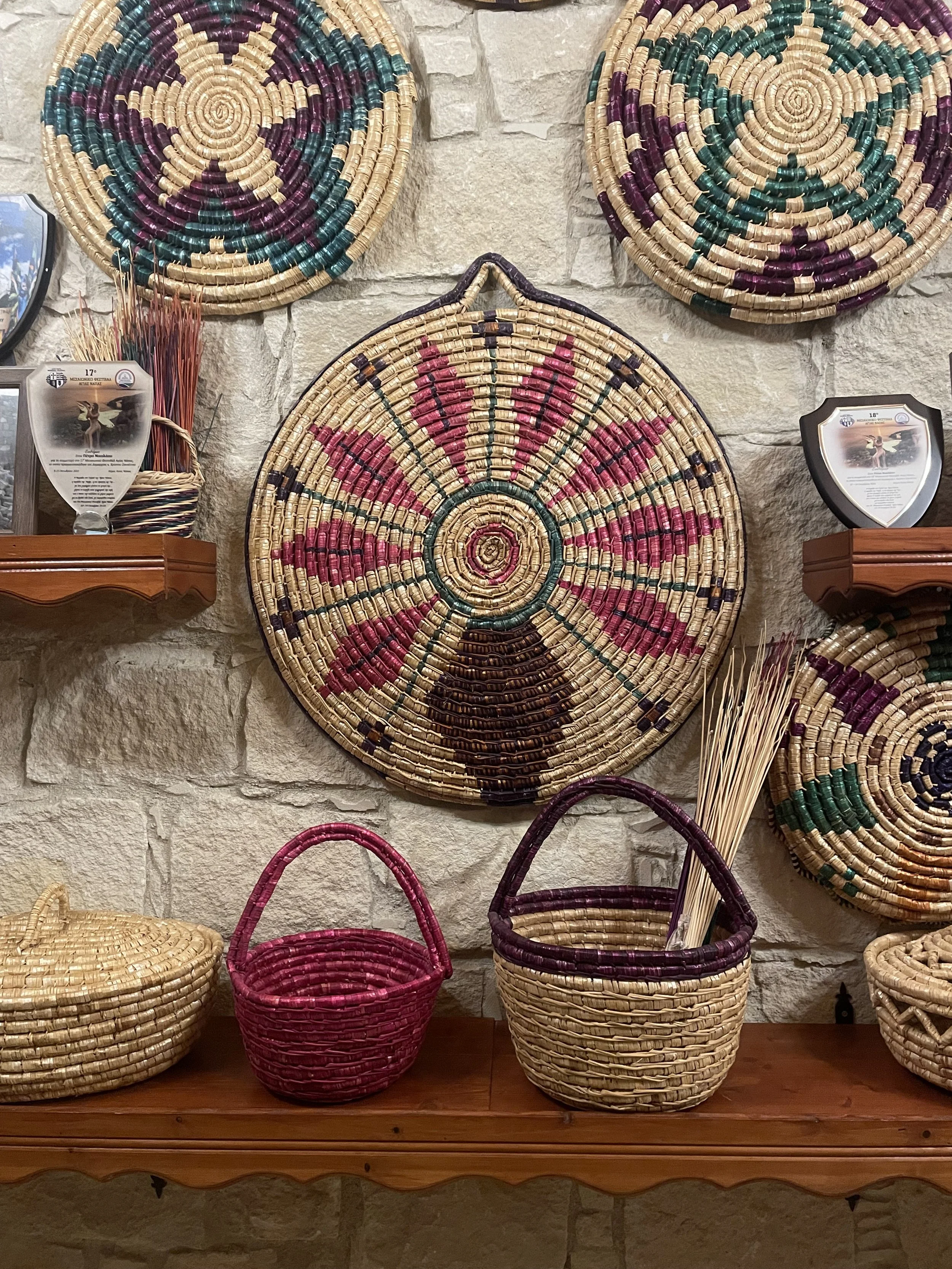
Basket weaving in Cyprus dates back centuries, originally producing practical objects for carrying agricultural goods and storing food.
The tradition continues in villages including Ineia, Akrotiri, Xylotympou and Avgorou, where different forms and styles are still made. Look for locally woven pieces and ask about the materials and maker.
The only problem is explaining to your carry-on that yes, apparently, we needed a basket.
Where to find handwoven baskets in Cyprus: Look in Ineia, Akrotiri, Xylotympou and Avgorou, where traditional basketry is still practiced, as well as Cyprus Handicraft Centres and artisan workshops.
Ask: Who wove it, where was it made and what material was used?
Skip: Mass-produced baskets marketed as traditional Cypriot craft when their origin can't be explained.
10. Cypriot Honey
A jar of Cypriot honey is another way to taste the island long after you've left. Its character changes with the landscape and season, with bees feeding on plants including thyme, citrus blossom, eucalyptus and wildflowers.
Look for honey from small-scale Cypriot beekeepers Fwho can tell you where their hives are located and what was flowering nearby. It's one of those gifts where buying directly from the producer makes the story, and the flavor, a lot more interesting.

Where to find Cypriot honey: Honey is produced across the island, but Kornos has a particularly strong beekeeping tradition, while villages such as Vavla are known for honey produced from the surrounding thyme and wildflowers. Village producers, local markets and beekeepers are your best places to start.
Look for: Cyprus-produced honey that identifies the beekeeper or area of production, including thyme, citrus blossom or polyfloral varieties.
Ask: Where are the hives? What plants are the bees feeding on? Is the honey bottled by the beekeeper or a local producer?
Skip: Generic “Cyprus honey” when the label or seller can't tell you anything about where it was actually produced.
Beyond the Souvenir
The best gifts from Cyprus have a way of leading you back to a specific place. You don't just know what you brought home. You know something about who made it, where it came from and why it belongs to this island.
And maybe that's the whole point of going beyond the souvenir shop.
Want to Discover the Places Behind the Gifts?
Our Cyprus journey is about experiencing the island through the people, landscapes, food and traditions that make it what it is, from mountain villages and local producers to the tables where everything comes together.
Come discover which pieces of Cyprus deserve that precious remaining space in your suitcase.
more cyprus blogs



FAQs
-
Some of the most unique souvenirs are those tied to a specific Cypriot village or tradition. Look for Lefkaritika lace and silver filigree from Lefkara, rose products from Agros, handmade pottery and basketry from traditional craft villages, and carob products made from a crop once known as the island's “black gold.” For something edible, a bottle of Commandaria, Cyprus's historic sweet wine, or locally produced honey can bring a literal taste of the island home.
Wherever possible, buy directly from the artisans and producers behind them. You'll leave with a better understanding of what you're carrying home—and a much better story to go with it.
-
Buying directly in villages associated with particular crafts is one of the best options. Lefkara, especially known for its lace and silver filigree, is a great place to start, including a visit to the Cyprus Handicraft Centre for locally made pieces. Elsewhere on the island, pottery and basketry traditions continue in villages and artisan workshops.
How can you tell if Lefkara lace is authentic?
Ask whether the piece was handmade in Lefkara, who made it and how it was produced. Authentic Lefkaritika is created using specific traditional techniques and requires considerable time and skill.
-
Commandaria, carob syrup, loukoumi, soutzoukos and locally produced olive oil are all strongly connected to Cypriot food traditions and relatively easy to find. Always check your destination's customs regulations before packing food or agricultural products.
-
Carob products, loukoumi, small soaps, rose water and other locally produced foods or botanical products can make affordable gifts without sacrificing a connection to the island.
-
Be cautious with anything marketed as handmade, locally produced or traditional when the seller can't tell you where or by whom it was made. For heritage crafts such as Lefkara lace and silver filigree, an unusually low price may be a reason to ask more questions.




Wondering what to bring home from Cyprus? Discover Cyprus gift ideas, from Commandaria and carob to Lefkara lace, rose products and handmade Cypriot crafts.