
Regenerative Agriculture in France: A Return to the Land
Written by: Sophie Echeverry
Where Food Begins
In France, food is never just food. It’s a reflection of the land, the seasons, and the people who have cared for it for generations. From open-air markets to long, lingering meals shared at the table, every bite tells a story of soil, tradition, and a deep respect for where ingredients come from.
In short: Regenerative agriculture in France is a quiet return to the land — farmers and artisans across the countryside, especially in Occitanie and southern France, are restoring soil health, protecting biodiversity, and strengthening local ecosystems through practices that draw on both ancestral knowledge and the Slow Food philosophy.
But beyond the beauty of French cuisine lies something even more meaningful: a quiet return to the land. Across the countryside, farmers, artisans, and communities are embracing regenerative agriculture, practices that go beyond sustainability to restore soil health, protect biodiversity, and strengthen local ecosystems. It’s a way of farming that looks both backward and forward, drawing from ancestral knowledge while responding to the needs of the future.
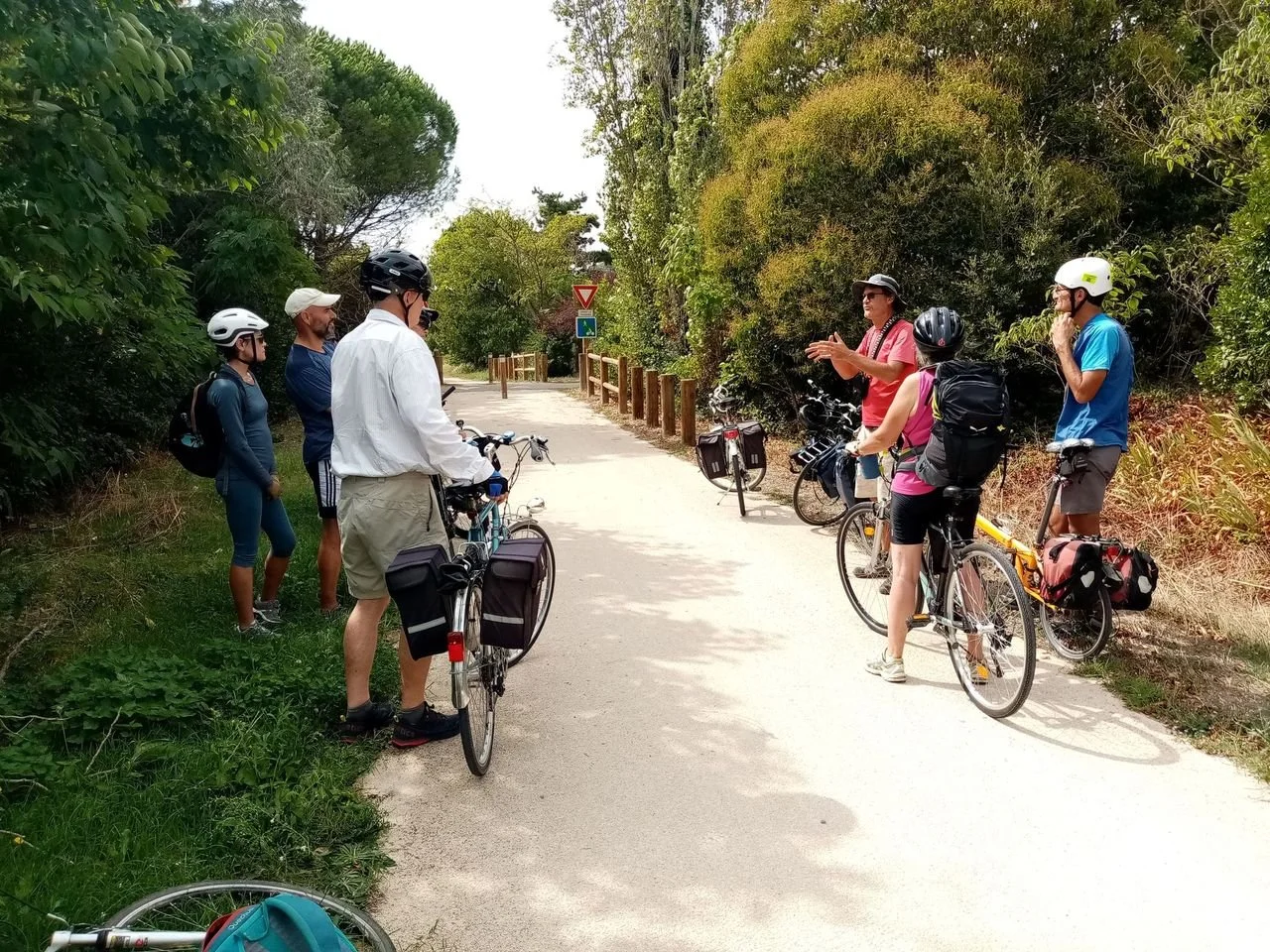
As you move through the landscapes of southern France, walking through vineyards, visiting local producers, and sharing meals rooted in place, you begin to see that this isn’t just about what’s on the plate. It’s about connection. To the earth, to tradition, and to the people who are cultivating a more thoughtful way of living. On our France Retreat, these connections come to life through every taste, every story, and every moment spent close to the land.
What Is Regenerative Agriculture?
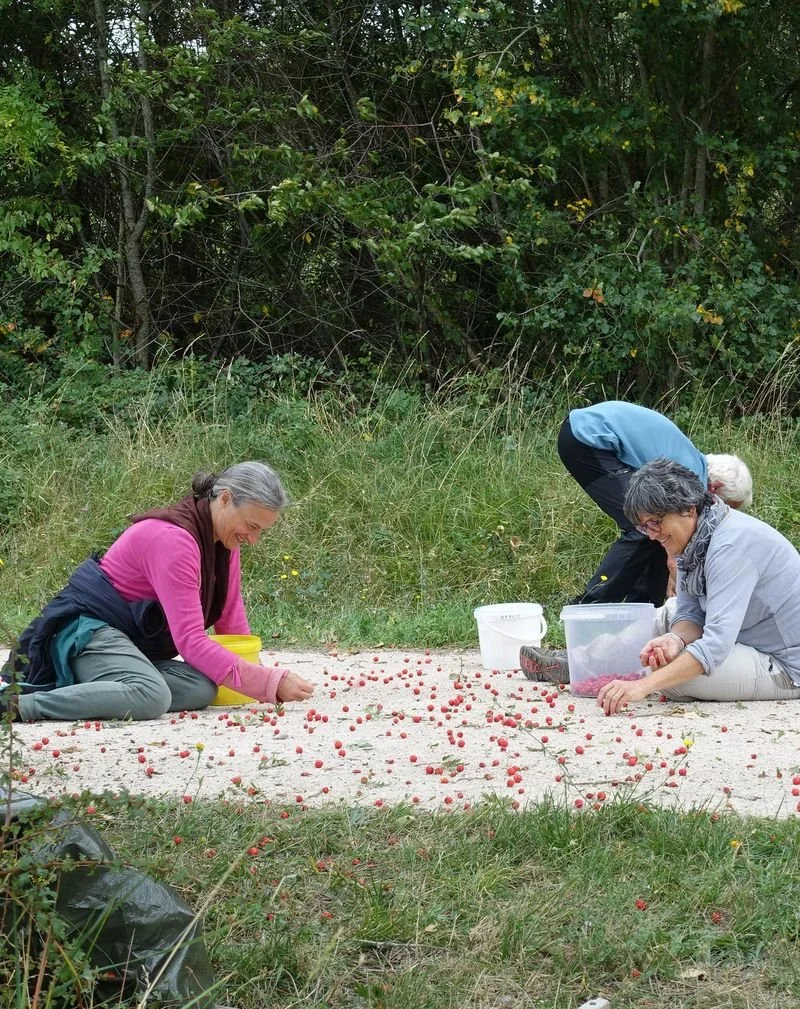
Regenerative agriculture is a way of farming rooted in indigenous traditions around the world that focuses on restoring and enhancing the health of the soil, rather than simply sustaining it. It goes beyond organic practices, aiming to rebuild ecosystems, increase biodiversity, and improve water cycles and has been used by indigenous communities across the globe for millennia.
In France, this often looks like small-scale farms working in harmony with nature: rotating crops, composting, minimizing chemical inputs, and respecting the natural rhythms of the land.
At its core, regenerative agriculture is about relationships. Farmers become stewards rather than extractors, working with the land instead of against it. This approach not only produces healthier, more nutrient-rich food, but also supports local communities and preserves traditional farming knowledge that has been passed down through generations.
A Culture Rooted in Slow Food
In many ways, France has long embodied the principles of the Slow Food movement, valuing quality over quantity, seasonality over convenience, and connection over speed. Meals are meant to be savored, ingredients are chosen with care, and food is deeply tied to place.
Markets overflow with produce grown nearby, cheeses reflect the specific pastures where animals graze, and wines tell the story of the soil and climate in which they were produced. This philosophy aligns naturally with regenerative practices, creating a food culture that honors both the environment and the people who cultivate it.
The Role of Local Producers and Artisans
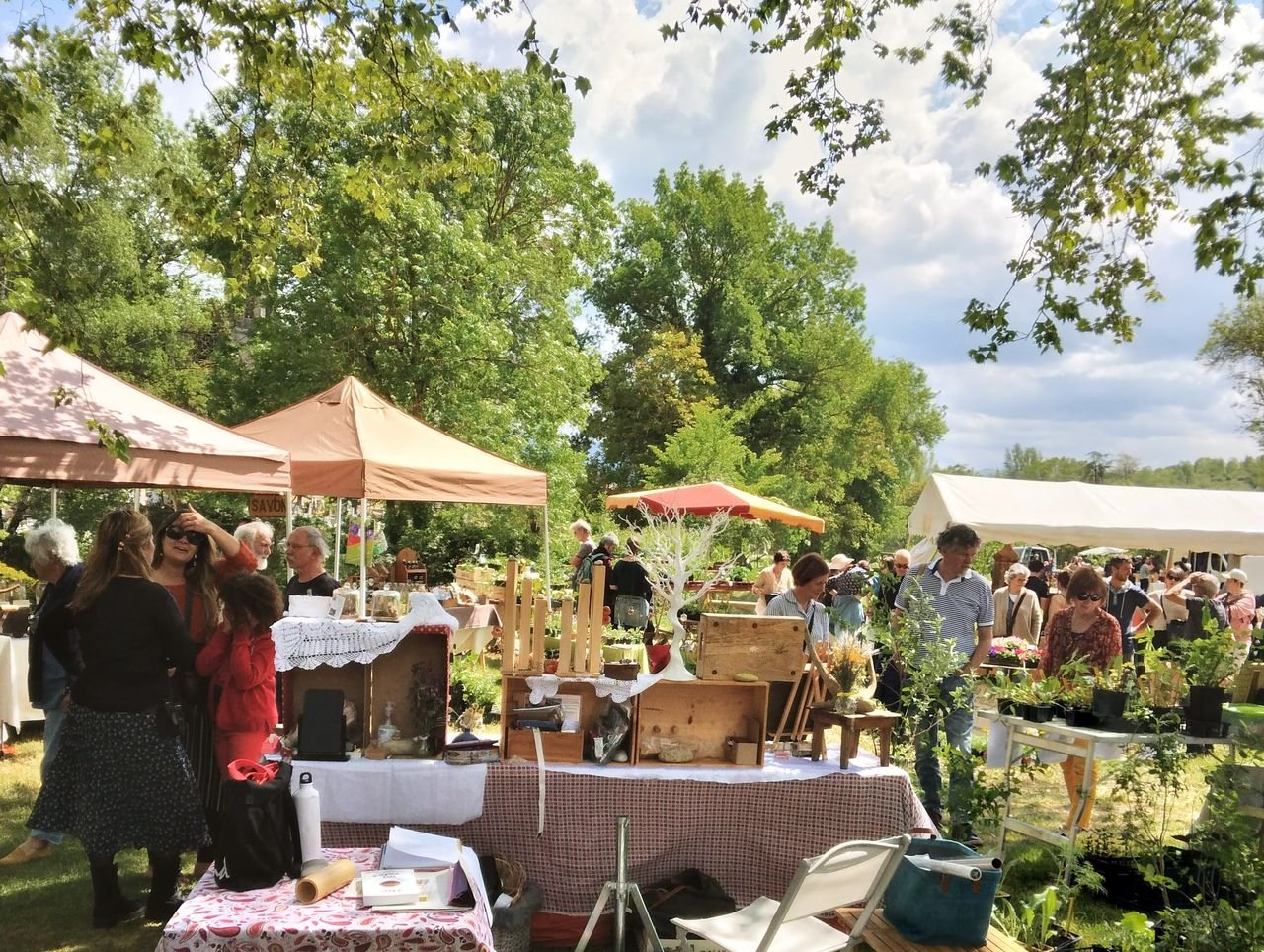
Throughout southern France, small-scale farmers and artisans are leading the way in regenerative practices. These are individuals and families who have chosen to prioritize the health of their land and the integrity of their products over mass production. Whether it’s a vineyard embracing biodiversity, a farmer practicing crop rotation, or a cheesemaker sourcing milk from pasture-raised animals, each plays a role in a larger ecosystem of care.
Visiting these producers offers more than just a taste of exceptional food, it offers insight into a way of life. You begin to understand the patience, intention, and respect that goes into every ingredient. Conversations with farmers reveal not only their techniques, but their philosophy: that food should nourish both people and the planet.
Living regeneration in France
In the quiet countryside of Occitanie, regenerative agriculture becomes something you can walk through, not just read about.
At Atout Fruit, our community partner in Southwest France, this philosophy comes to life in a very tangible way. Set within a living orchard dedicated to biodiversity and seasonal rhythms, it offers a glimpse into how deeply food, land, and community are connected in this region.
For those on our journey through France, a visit here becomes less about explanation and more about experience—the feeling of being surrounded by landscapes shaped by care, patience, and collaboration.
💬 “Our strength, like our trees, comes from diversity.” - Atout Fruit, our community partner in Southwest France
Here, regenerative agriculture is not something distant or theoretical. It is present in the way people work together, in how the land is tended, and in the quiet attention given to each season.
Final Thoughts – A More Conscious Way of Eating
Regenerative agriculture invites us to rethink our relationship with food. It asks us to consider not just how something tastes, but how it was grown, who cultivated it, and what impact it has on the world around us. In France, this philosophy is not new—but it is being rediscovered and reimagined in ways that feel both timeless and urgent.
As you journey through this region, you begin to see that food can be a bridge—connecting us to the land, to culture, and to each other. And in that connection, there is the potential for something deeper: a more conscious, more meaningful way of living and traveling.
more blogs like this

FAQs
-
Regenerative agriculture in France refers to small-scale farming practices — such as crop rotation, composting, and minimal chemical inputs — that restore soil health and biodiversity, particularly across southern France and the Occitanie region.
-
France's long-standing Slow Food values, prioritizing quality, seasonality, and connection to place, align naturally with regenerative agriculture's focus on soil health, biodiversity, and sustainable, locally rooted food systems.
-
Atout Fruit is a community partner in Southwest France operating a living orchard dedicated to biodiversity and seasonal rhythms, offering a tangible example of regenerative agriculture in the Occitanie region.
-
Regenerative agriculture goes beyond organic practices by actively aiming to rebuild ecosystems, increase biodiversity, and improve water cycles, rather than simply avoiding synthetic chemical inputs.
-
Travelers can experience regenerative agriculture in France by visiting small-scale vineyards, farms, and orchards in the south, such as Atout Fruit in Occitanie, and connecting directly with local producers and artisans, as offered on the France Retreat.
-
Regenerative agriculture supports the health of soil and ecosystems that French food culture depends on, from cheese tied to specific pastures to wine that reflects local soil and climate, reinforcing France's deep connection between land, food, and tradition.




Explore regenerative agriculture in Italy through Slow Food traditions, ancient farming practices, and immersive regional food cultures in Northern and Southern Italy. Discover how Traverse Journeys connects travelers to land, people, and purpose.