
Regenerative Agriculture in Dominica: Where Land, Medicine, and Culture Grow Together
Written by: Sophie Echeverry
In Dominica, agriculture is not separated from life, or from medicine, or from culture.
In short: Regenerative agriculture in Dominica isn't a modern concept — it's a continuation of ancestral practice. On this volcanic "Nature Island," polycultural farming, forest-based medicine, and Indigenous Kalinago and African diasporic knowledge form one integrated, living system rather than separate disciplines.
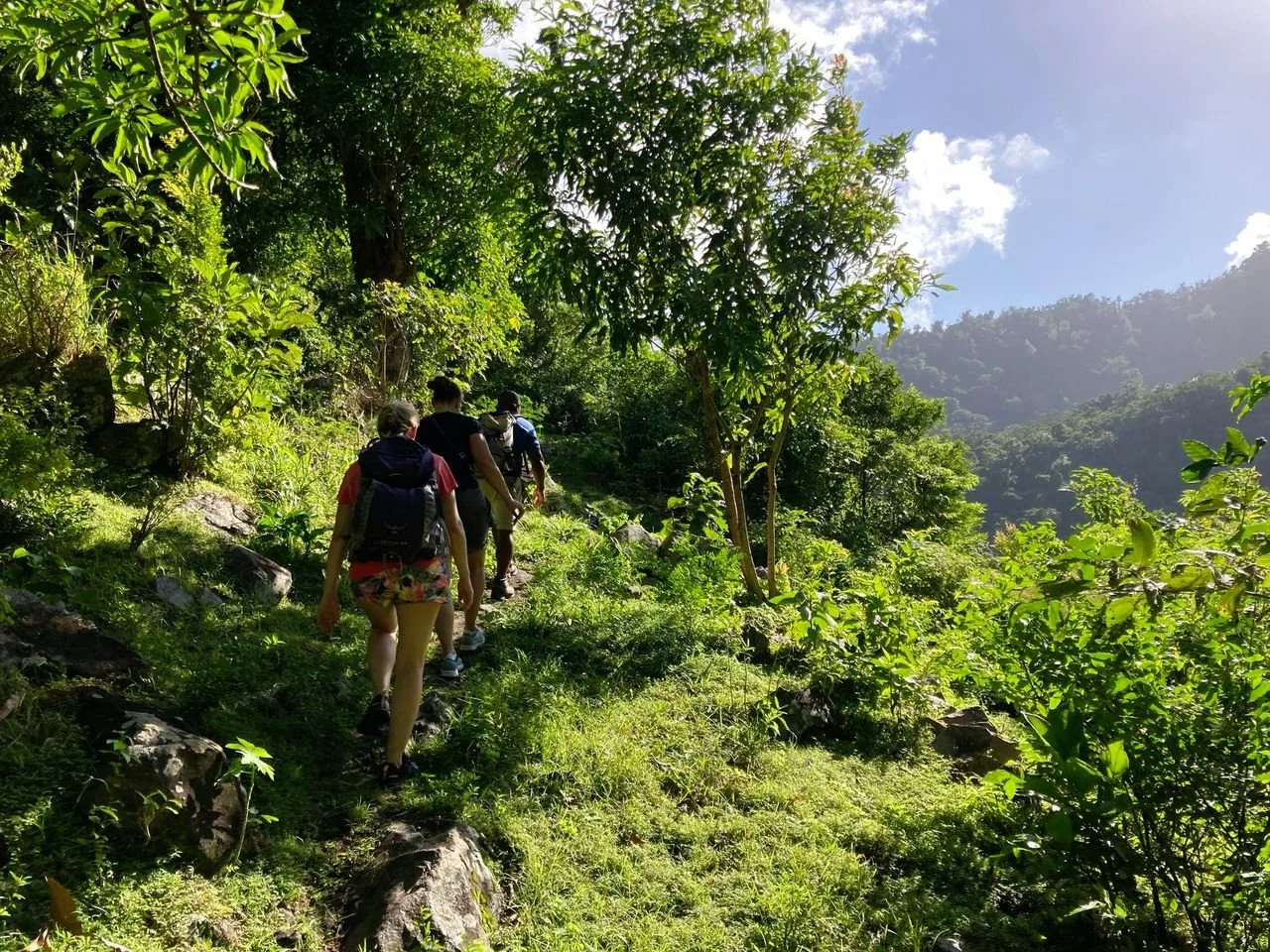
On this small volcanic island in the Eastern Caribbean, known as the “Nature Island,” farming is still deeply intertwined with forest knowledge, ancestral healing practices, and a way of living that sees land as something to be respected rather than extracted. This is where regenerative agriculture is not a modern concept, but a continuation of something ancient.
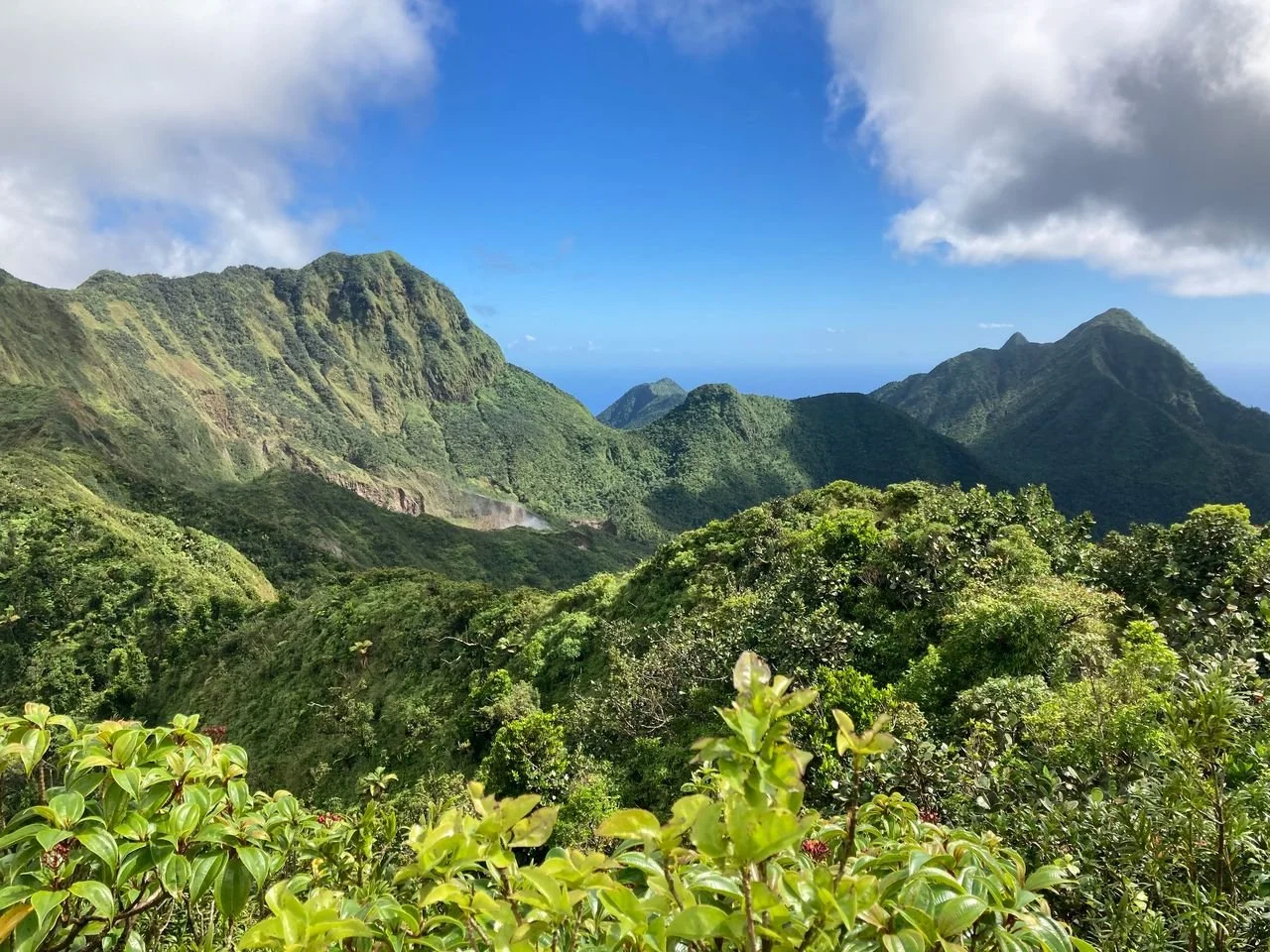
Where Land and Medicine Are the Same Language
Unlike industrial agricultural systems built on separation, Dominica’s food systems are deeply rooted in integration. Plants are not only grown for consumption, but for healing, prevention, and daily wellbeing. Herbal traditions passed down through Indigenous Kalinago heritage and African diasporic knowledge systems still shape everyday life.
Bush teas, herbal baths, infused oils, and forest remedies remain part of how communities care for themselves across generations. In Dominica, the forest is both a pharmacy and farm. This is especially visible in the island’s rich biodiversity, where plants like soursop, neem, cinnamon, and moringa are used for everything from digestion to immunity to inflammation support.
The Living Knowledge of Medicinal Plants
Medicinal plant knowledge in Dominica is not abstract, it is practiced. From backyard gardens to rainforest edges, plants are grown, harvested, and prepared in ways that reflect centuries of ecological understanding.
Traditional healers, often known locally as bush doctors, continue to pass down knowledge of plant-based remedies used for fever, pain, respiratory conditions, and emotional balance. This knowledge system blends Indigenous Kalinago practices with African and Creole traditions, forming a uniquely Caribbean approach to wellbeing that is still very much alive today.
Regeneration as a Way of Farming
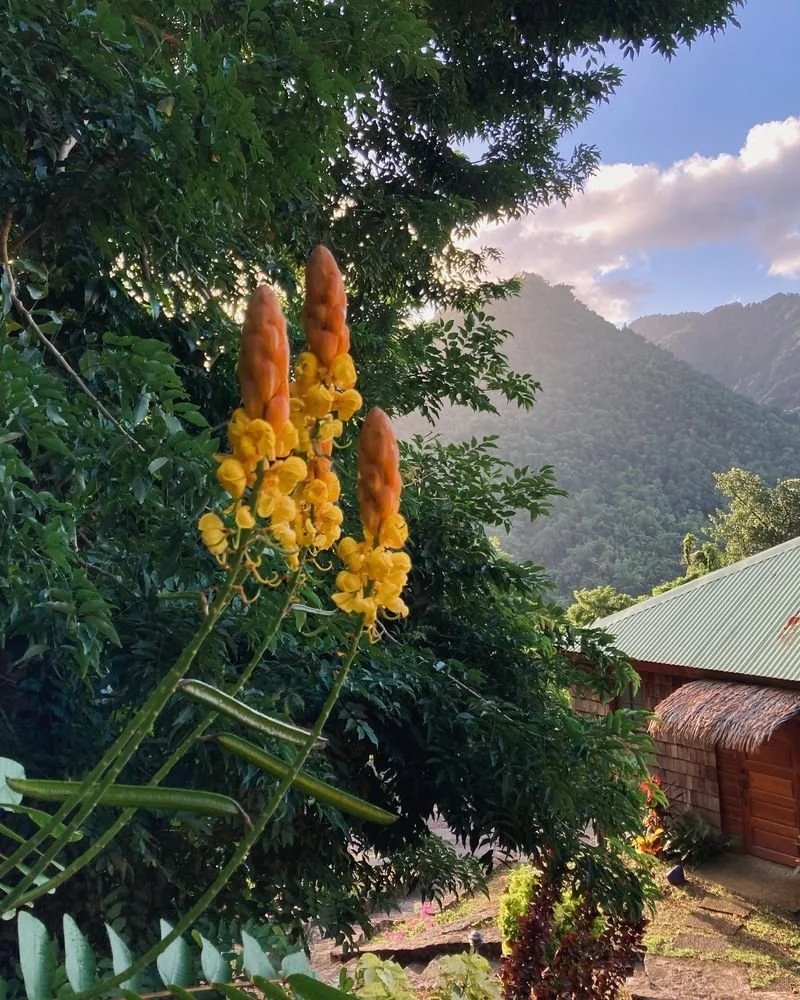
In Dominica, regenerative agriculture is not a branded system, it is a lived necessity shaped by climate, terrain, and history. Farmers work with steep volcanic landscapes, shifting rainfall patterns, and rich but delicate ecosystems. This has created a farming culture that prioritizes resilience over extraction.
Crops are often grown in polycultural systems — bananas alongside root vegetables, fruit trees integrated with medicinal herbs — allowing soil to remain alive and productive over time. Rather than depleting the land, farming here often follows a simple principle: take only what the land can continue to give.
Herbal Medicine as Everyday Practice
One of the most powerful expressions of regenerative culture in Dominica is its herbal medicine tradition. Plants are used not only for illness, but for balance, physical, emotional, and environmental.
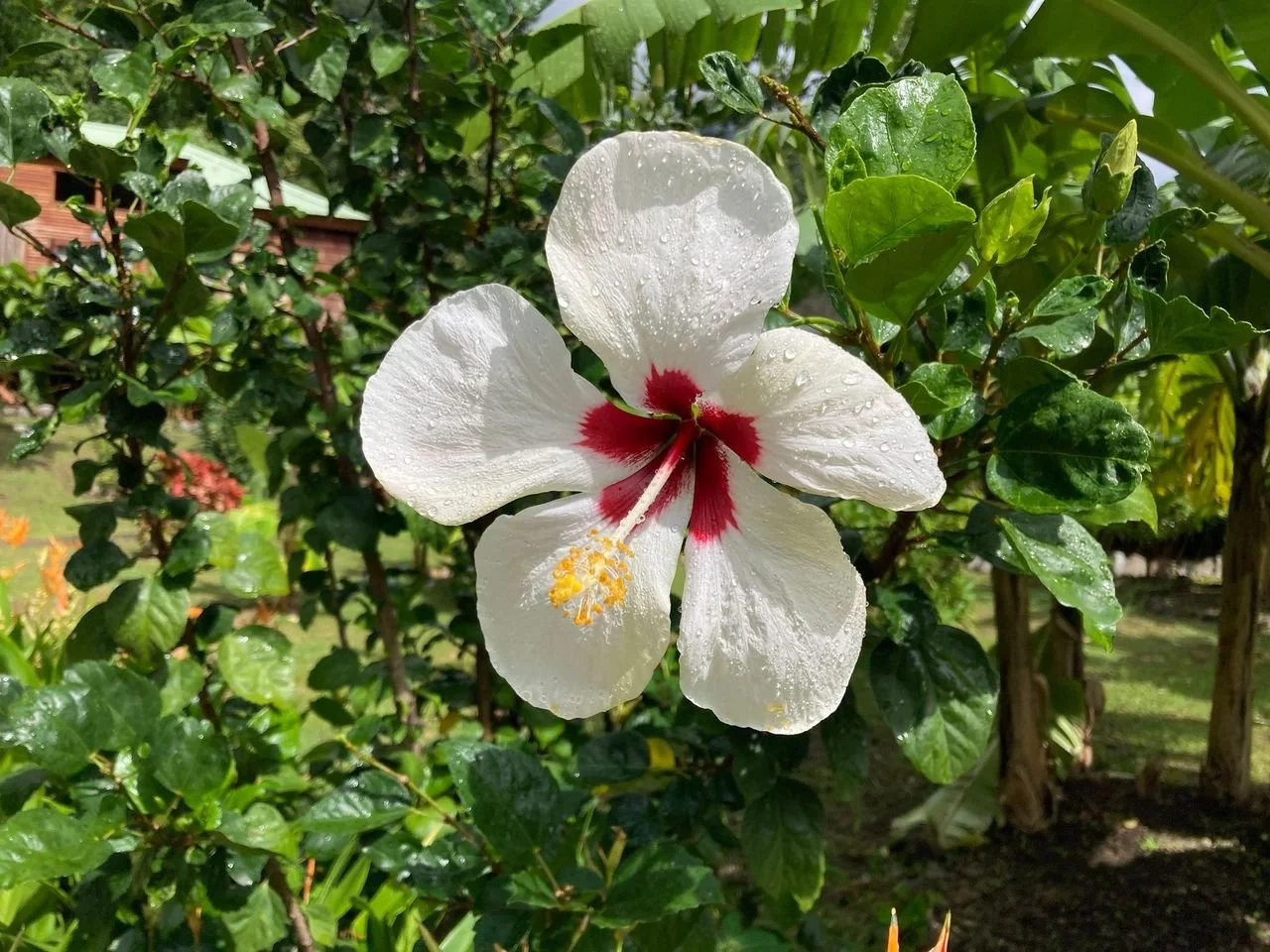
Cooling bush teas, herbal infusions, and natural remedies are still widely prepared in homes and communities. These practices are deeply embedded in Dominican identity and continue to evolve through both tradition and scientific interest. Some plants even bridge both worlds, traditional use and modern pharmacology, reinforcing the island’s role as a living archive of botanical knowledge.
A Community Model Rooted in the Land
as those supported by the Jungle Bay Community Fund, invest in education, agriculture, and cultural preservation while actively sourcing food from local farmers and fisheries.
This creates a circular system where tourism, agriculture, and community development reinforce each other rather than compete. It is a model where land stewardship and community wellbeing are directly linked.
Experience It: Herbal Workshops & Living Knowledge
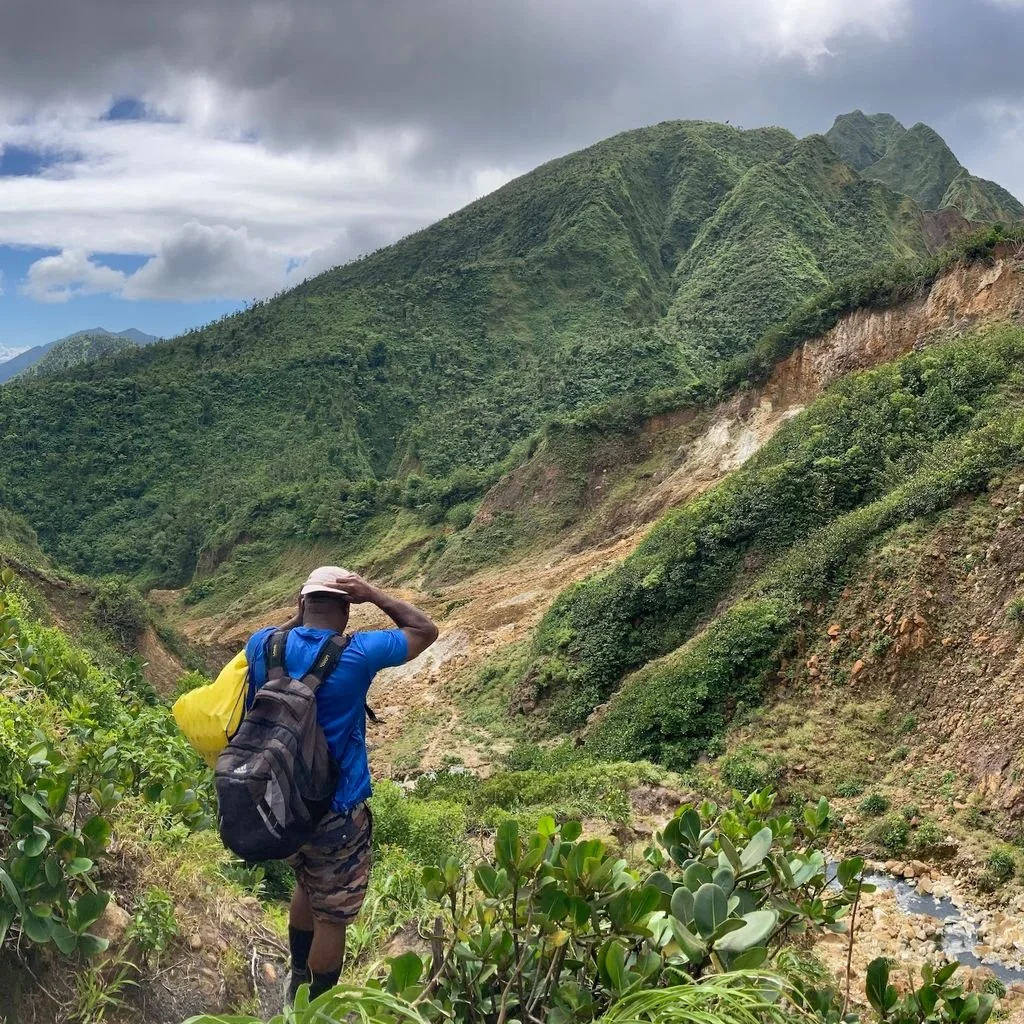
One of the most powerful ways to engage with this living system is through hands-on herbal experiences, like the medicinal plant and herbal workshop included in our Dominica journey. Here, travelers are invited to:
Learn how local herbs are identified and prepared
Understand their cultural and medicinal significance
Experience how knowledge is passed through storytelling and practice
Connect directly with the land that sustains these traditions
This is not a demonstration. It is participation.
Why Dominica Matters in the Future of Travel
Dominica offers a rare perspective on what regeneration actually looks like when it is embedded in daily life. It is not a concept applied to tourism. It is how food is grown, how health is supported, how knowledge is preserved, and how communities sustain themselves. For travelers, this shifts the role of travel entirely — from observation to relationship.
In Dominica, regeneration is not a theory or a trend
It is a way of life shaped by land, memory, and necessity. It lives in the gardens where food and medicine grow side by side, in the forests that continue to heal and sustain communities, and in the knowledge passed quietly between generations.
To spend time here is to understand that agriculture, culture, and wellbeing are not separate systems — they are one and the same. And once you witness that connection, it changes the way you see every place you return to.
MORE BLOGS LIKE THIS

FAQ
-
Regenerative agriculture in Dominica refers to polycultural farming systems, such as bananas grown alongside root vegetables and fruit trees integrated with medicinal herbs, shaped by volcanic terrain and Indigenous Kalinago and African Creole knowledge to keep soil resilient and productive.
-
A bush doctor is a traditional healer in Dominica who passes down knowledge of plant-based remedies for ailments like fever, pain, respiratory conditions, and emotional balance, blending Indigenous Kalinago practices with African and Creole traditions.
-
Commonly used medicinal plants in Dominica include soursop, neem, cinnamon, and moringa, which are used for purposes ranging from digestion and immunity support to inflammation relief.
-
The Jungle Bay Community Fund supports community-led initiatives in Dominica focused on education, agriculture, and cultural preservation, while sourcing food from local farmers and fisheries to connect tourism with community development.
-
Dominica is known as the "Nature Island" of the Caribbean for its volcanic terrain and rich biodiversity, which supports farming, forest-based medicine, and ecosystems still closely tied to Indigenous and Creole cultural practices.
-
Travelers can experience regenerative agriculture in Dominica through hands-on herbal workshops where they learn to identify and prepare local plants, understand their cultural and medicinal significance, and connect directly with the land, as offered on the Dominica journey.


Explore regenerative agriculture in Italy through Slow Food traditions, ancient farming practices, and immersive regional food cultures in Northern and Southern Italy. Discover how Traverse Journeys connects travelers to land, people, and purpose.