
Regenerative Agriculture in Italy: Slow Food, Ancient Traditions & a UNESCO Legacy
Written by: Sophie Echeverry
There is a moment in Italy when food stops being something you consume and becomes something you are briefly allowed to understand.
In short: regenerative agriculture in Italy isn't a modern trend — it's a continuation of centuries-old farming systems, from Chianti's vineyards to the Amalfi Coast's terraced groves, formalized in part by the Slow Food movement and recognized by UNESCO for their cultural and ecological significance.
It might happen at a farmers market, where a producer tells you not just what they grew, but how the rain changed their tomatoes this year. Or on a winding coastal road in Southern Italy, where citrus trees cling to terraced cliffs shaped by centuries of careful hands. Even at the table, olive oil tastes less like a product and more like a landscape.
You don’t usually arrive in Italy thinking about soil. But eventually, you do. Landscapes are so deeply intertwined with human knowledge that many are now recognized as UNESCO World Heritage.
Because here, agriculture is not hidden behind food, it is visible in it. In the rhythm of seasons. In the discipline of tradition. In the quiet refusal to let industrial systems erase what has been carefully tended for generations. Practices that, in many cases, have earned global recognition through UNESCO for their cultural and ecological significance.
This is where regenerative agriculture in Italy begins. Not as a concept, but as something lived.
And once you see it, you can’t unsee it.
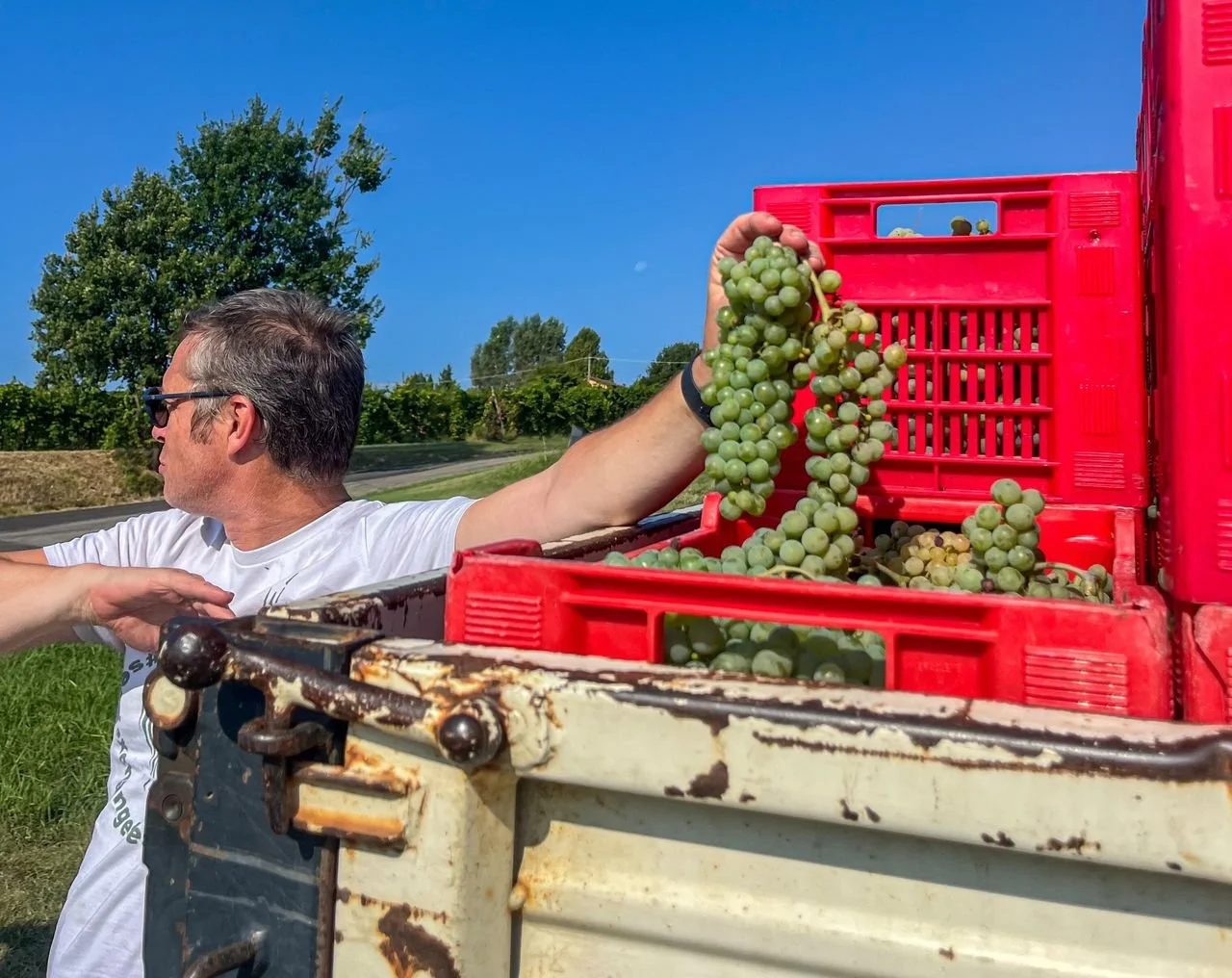
Podere Terra Viva Organic and sustainable farm near Bologna
What regenerative agriculture means in Italy
Globally, regenerative agriculture describes farming practices that restore soil health, increase biodiversity, and rebuild ecosystems — a method Indigenous cultures have known for millennia. In Italy, regenerative agriculture is less an innovation and more a continuation.
Long before sustainability became a global conversation, Italian agriculture was already built on small-scale farming systems, seasonal rhythms, and deep ecological awareness. Land was not treated as an input — it was treated as inheritance. Today, this philosophy is still visible across rural and coastal regions, especially where traditional practices have resisted industrial simplification.
This is also where movements like the Slow Food movement became essential. Born in Italy, it formalized what many communities already understood: food is culture, food is ecology, food is identity.
Northern Italy: precision, memory, and living agricultural systems
Northern Italy often feels structured at first glance, orderly landscapes, carefully tended fields, and agricultural systems shaped by generations of refinement. But beneath that structure is something deeply alive.
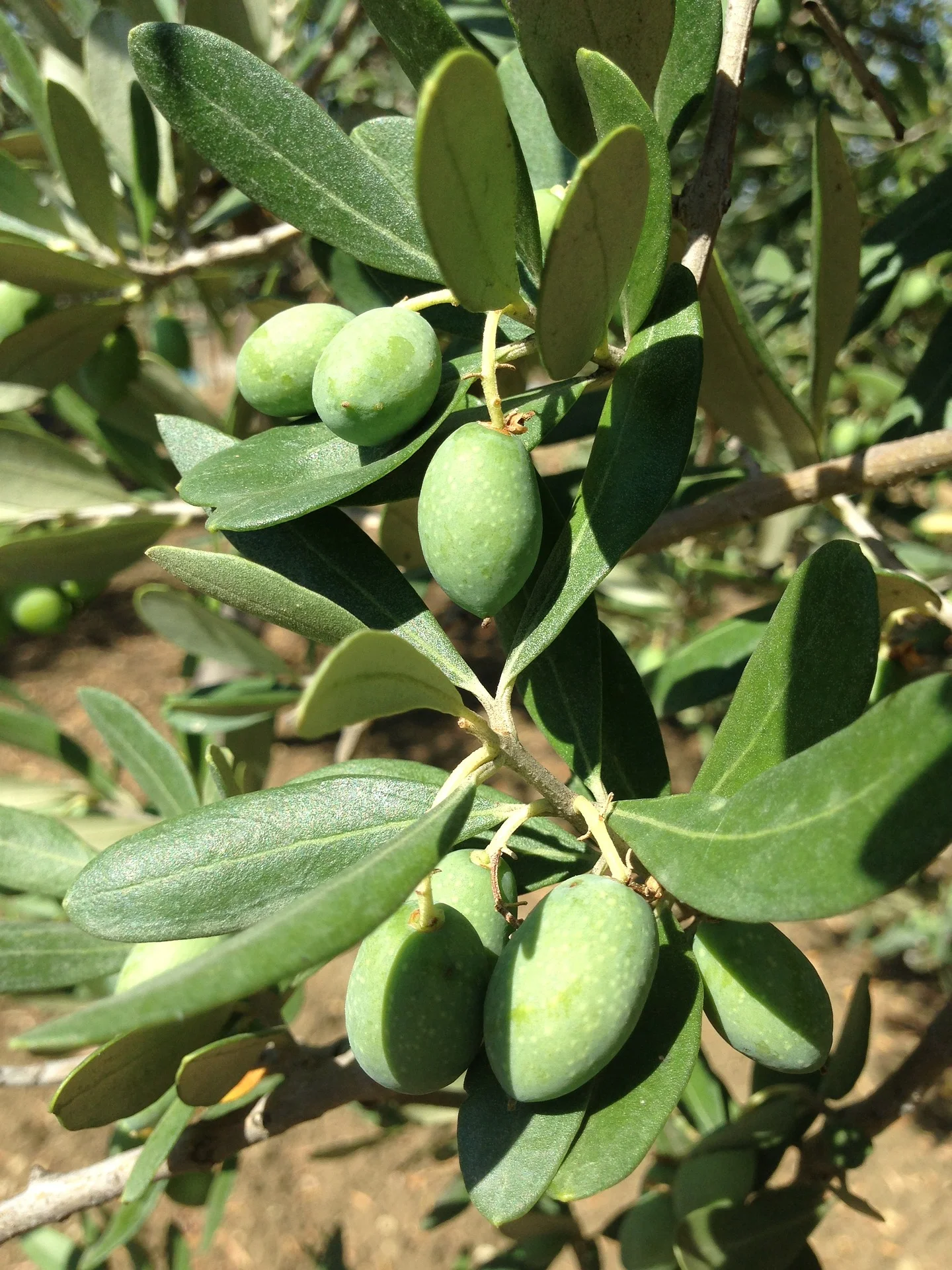
Chianti is one of the clearest expressions of regenerative agricultural thinking in Italy, not because it is branded as such, but because its landscape still functions in close relationship with land, biodiversity, and seasonal rhythm. This is why we work with our local community partner, who support small-scale producers and traditional rural practices rooted in ecological balance and cultural preservation.
In this region, olive orchards and vineyards are not industrial systems—they are mixed, adaptive landscapes shaped by generations of observation rather than extraction. Soil health, microclimates, and seasonal variation directly influence what is produced and how land is managed.
Olive oil and wine tasting here become a way of understanding this relationship firsthand—not as a demonstration of “quality,” but as an expression of place. As you move through the Via del Chianti, the landscape itself reflects this philosophy: agricultural diversity, restrained intervention, and long-term stewardship rather than intensification.
Across Chianti, regenerative agriculture is not presented as a concept. It is embedded in how land is worked, maintained, and understood.
Southern Italy: ancient landscapes and agricultural survival
If Northern Italy expresses agriculture through structure, Southern Italy expresses it through adaptation. Here, regenerative agriculture is not framed as a movement—it is embedded in survival, geography, and centuries of continuity.
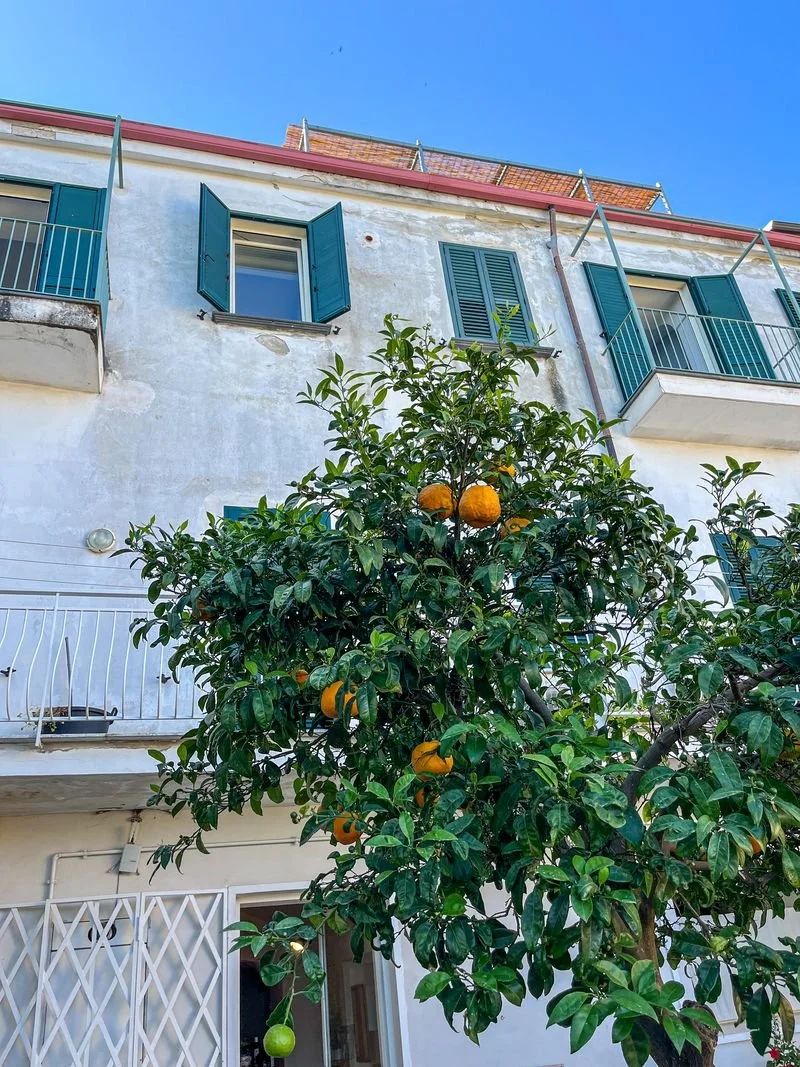
On the Amalfi Coast and across southern regions, you find:
Terraced agriculture carved into steep mountainsides
Citrus groves shaped by coastal winds
Olive trees that survive in arid, rocky soils
Polyculture systems that support biodiversity naturally
These are not modern interpretations of sustainability. They are ancient systems that already understood ecological balance.
Walking through these landscapes, you begin to see agriculture not as production—but as negotiation between land and life.
The Slow Food movement: protecting what industrialization nearly erased
To understand regenerative agriculture in Italy, you have to understand what was at risk of being lost. The Slow Food movement emerged in Italy as a cultural response to fast food globalization, but its impact went far beyond food politics.
It helped preserve regional biodiversity, traditional farming methods, small-scale producers and culinary heritage tied to place. Without it, many of the agricultural systems now celebrated as “sustainable” would have disappeared quietly under industrial efficiency.
Instead, they remain living systems, still evolving, still rooted.
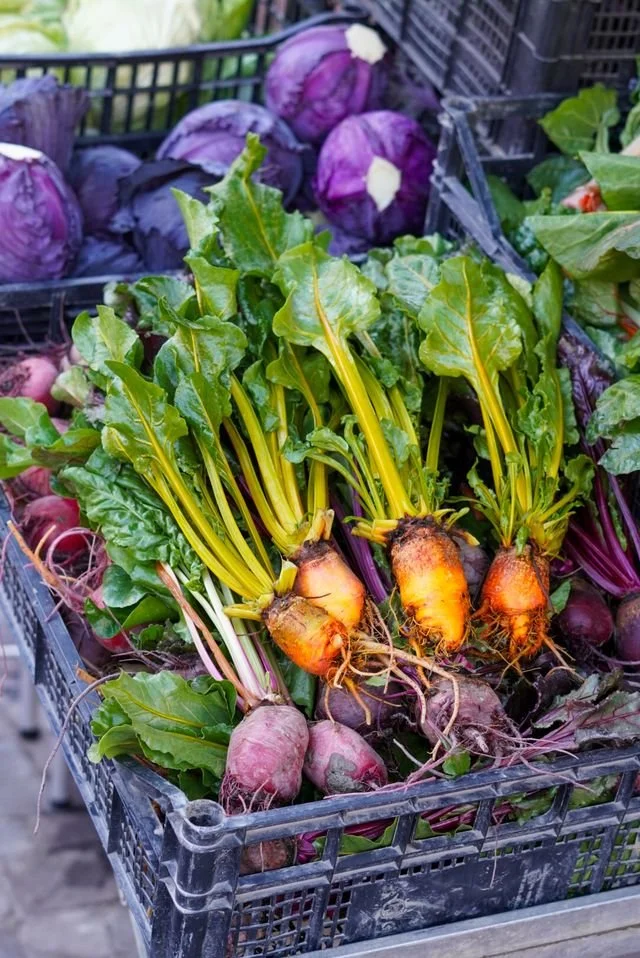
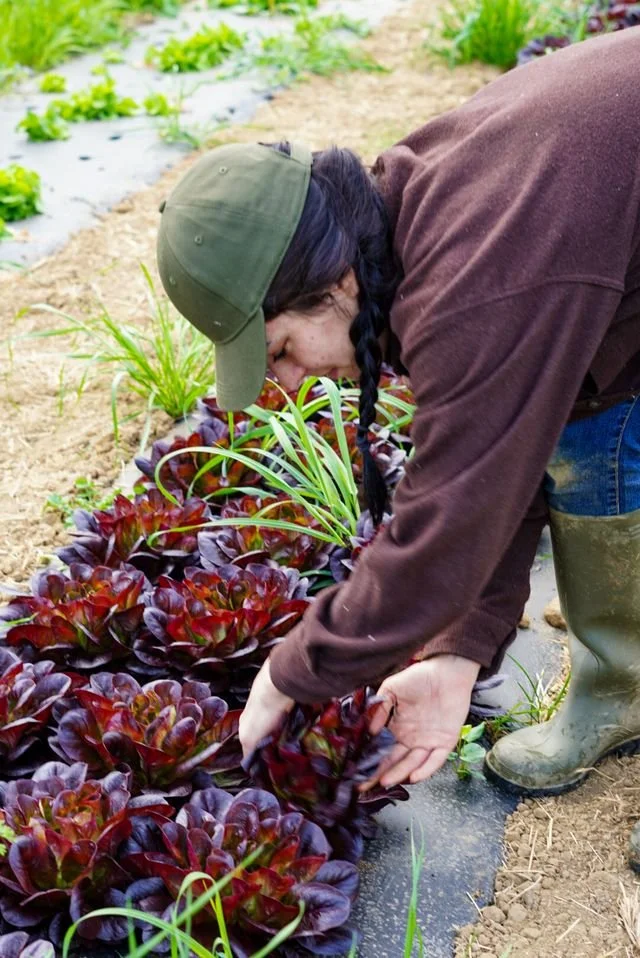
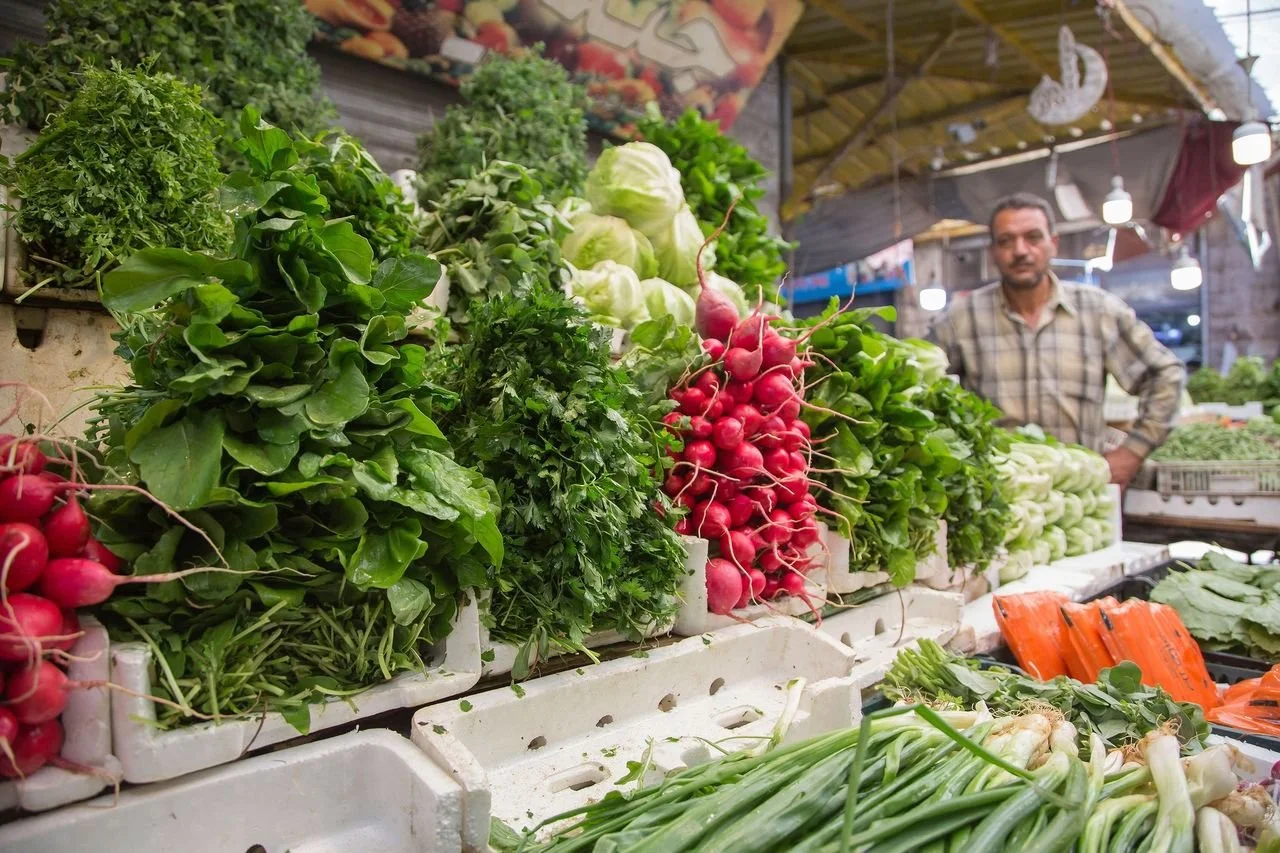
Colorfull organic vegetables from Holerilla
Farm-to-Table Culture in Italy
Italy’s regenerative food culture is often most visible in everyday systems of local production and short supply chains. A clear example is Bologna’s Mercato Ritrovato, a km0 farmers' market where small producers like Podere Terra Viva and Holerilla, sell seasonal food grown through low-impact, small-scale farming.
"Km0" (kilometro zero) is a distinctly Italian concept meaning food produced and sold within a very short distance — reducing transport, supporting local economies, and keeping production deeply tied to place. Conversations here naturally revolve around soil quality, harvest timing, and weather conditions, because food is still directly connected to land.
It's one example of how farm-to-table culture in Italy is not a trend, but a functioning local system that supports biodiversity, seasonal agriculture, and direct relationships between producers and communities.
Why Regenerative Agriculture Changes How We Travel
Most travel is built around observation and consumption—what to see, do, and take in. Regenerative agriculture invites a different lens: moving through a place without extracting from it.
In Italy, this becomes tangible in small moments—tasting food shaped by its ecosystem, meeting producers tied to seasonal cycles, and reading landscapes through cultivation rather than scenery.
Travel shifts from accumulation to relationship.
How travelling connected you to Italy’s living food culture
In travel, we don’t treat regenerative agriculture as a theme to observe from a distance. We treat it as something to enter respectfully.
In Northern Italy, this might mean conversations with producers who still farm in alignment with land rhythms shaped over centuries. In Southern Italy, it might mean walking through citrus groves or olive landscapes where cultivation is inseparable from cultural identity.
Across both regions, the focus is not on spectacle. It is on continuity.
Because the most meaningful form of sustainable travel is not witnessing better systems—it is understanding the systems that already exist, and choosing to engage with them consciously.
Italy's Food Future Is Rooted in Its Past
Regenerative agriculture in Italy is not a future being invented. It is a past being protected. Sustainability here is not a goal. It is continuity. And travel, at its best, is simply learning how to see it.
more blogs like this

FAQs
-
Regenerative agriculture in Italy refers to centuries-old farming systems — such as Chianti's vineyards and olive orchards, and Southern Italy's terraced citrus groves — that restore soil health and biodiversity through small-scale, seasonal, and ecologically balanced practices rather than industrial extraction.
-
The Slow Food movement is a cultural movement born in Italy as a response to fast food globalization. It works to preserve regional biodiversity, traditional farming methods, small-scale producers, and culinary heritage tied to place.
-
"Km0" (kilometro zero) refers to food produced and sold within a very short distance from where it's grown, reducing transport, supporting local economies, and keeping production closely tied to the land — exemplified by markets like Bologna's Mercato Ritrovato.
-
Chianti's vineyards and olive orchards function as mixed, adaptive landscapes shaped by generations of ecological observation rather than industrial intensification, making it a clear expression of regenerative agricultural thinking in Italy.
-
Southern Italy, including the Amalfi Coast, practices regenerative agriculture through terraced mountainside farming, coastal citrus groves, drought-resilient olive trees, and polyculture systems — ancient techniques that have long supported biodiversity and ecological balance.
-
Travelers can experience regenerative agriculture in Italy through farm visits, olive oil and wine tastings with small-scale producers in Chianti, walks through Amalfi Coast citrus and olive groves, and visits to km0 farmers' markets like Mercato Ritrovato in Bologna.




Explore regenerative agriculture in Italy through Slow Food traditions, ancient farming practices, and immersive regional food cultures in Northern and Southern Italy. Discover how Traverse Journeys connects travelers to land, people, and purpose.