Written by: Sophie Echeverry
In Peru, agriculture is not separate from culture, it is language, medicine, and memory. It is written into terraces carved into mountains, into forests that grow like living pharmacies, and into communities where farming is still inseparable from ceremony, reciprocity, and survival.
In short: regenerative agriculture in Peru isn't a modern method — it's ancestral continuity. Across the Andes and Amazon, Indigenous farming systems rooted in reciprocity (ayni) and respect for Pachamama (Mother Earth) have practiced soil health, biodiversity, and ecological balance for thousands of years, long before "regenerative agriculture" became a global term.
You do not just travel through Peru. You move through systems of knowledge that have been cultivated for thousands of years. From food, to cotton for clothing, this is where regenerative agriculture in Peru begins, not as a modern method, but as ancestral continuity.
What regenerative agriculture means in Peru
In global terms, regenerative agriculture focuses on restoring soil health, biodiversity, and ecological balance. In Peru, these principles already exist within Indigenous agricultural systems that predate the term itself.
Across the Andes and Amazon, land is not treated as a resource to extract from, but as a living relationship governed by reciprocity, often expressed through Indigenous worldviews such as ayni (reciprocity) and deep respect for Pachamama (Mother Earth).
Many of these systems still thrive today through small-scale farming, permaculture practices, and community-led land stewardship.
Andes & Sacred Valley: ancestral agriculture as living infrastructure
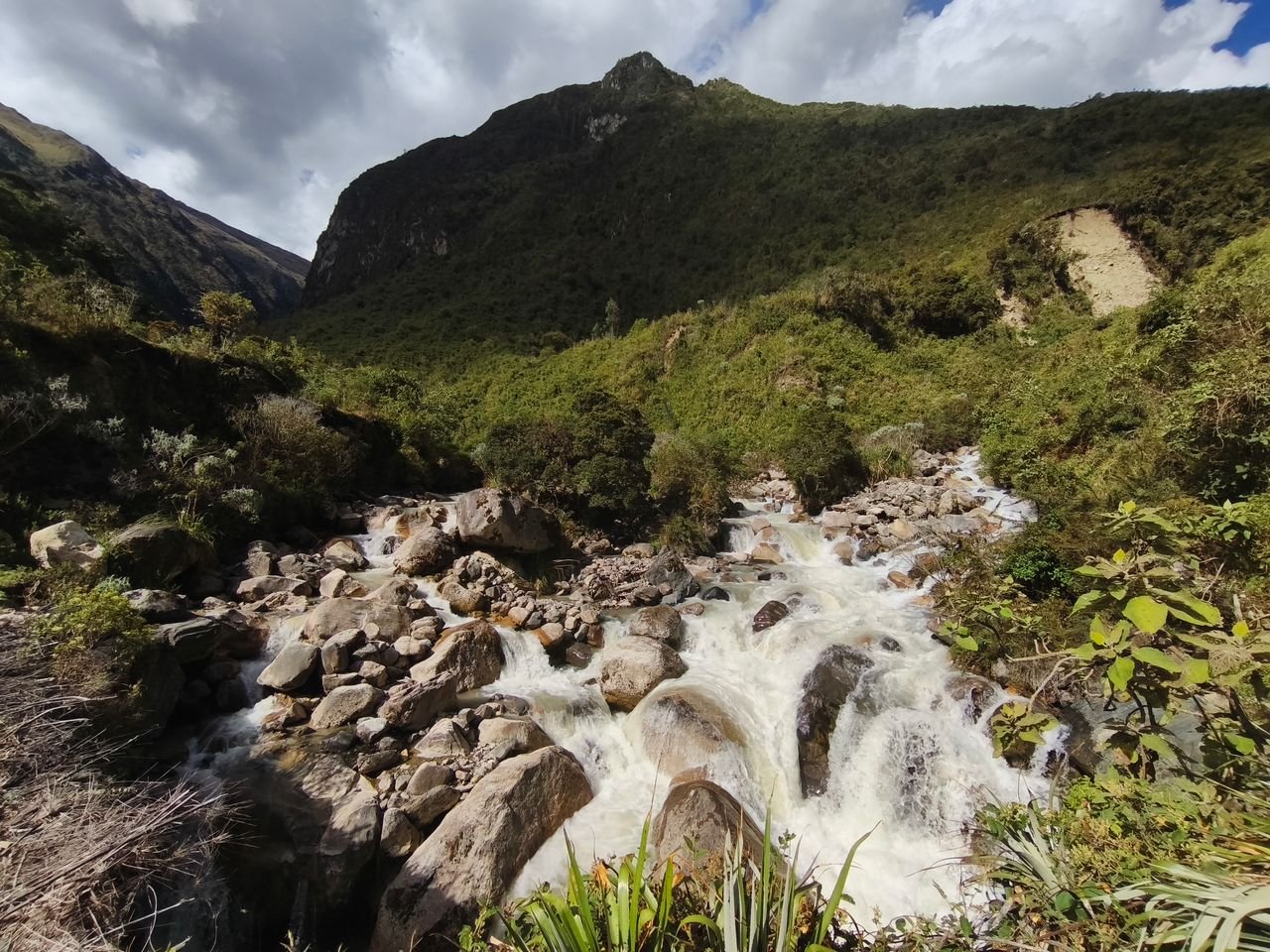
In the Andes and the Sacred Valley, regenerative agriculture is visible in one of the most advanced ancient farming systems in the world: terraced landscapes, biodiversity-rich crops, and climate-adapted cultivation zones.
These agricultural systems are not historical ruins, they are still actively cultivated. Here, farming is deeply connected to Indigenous knowledge, particularly Quechua culture, where agricultural cycles are intertwined with seasonal rituals, community cooperation, and ecological observation.
At the heart of this living system are projects like the Kuska School, which integrates education, gardening, and agricultural learning as part of a holistic approach to cultural and environmental regeneration.
Within this context, farming is not a separate discipline—it is part of how knowledge is transmitted, how identity is preserved, and how land is actively cared for across generations.
Central Peru & Lima: connection between ecosystems and food systems
While Lima is often seen as urban and coastal, it is deeply connected to Peru’s agricultural diversity. Peru’s food system depends on ecological diversity across regions, from coastal fisheries to Andean grains and Amazonian biodiversity.
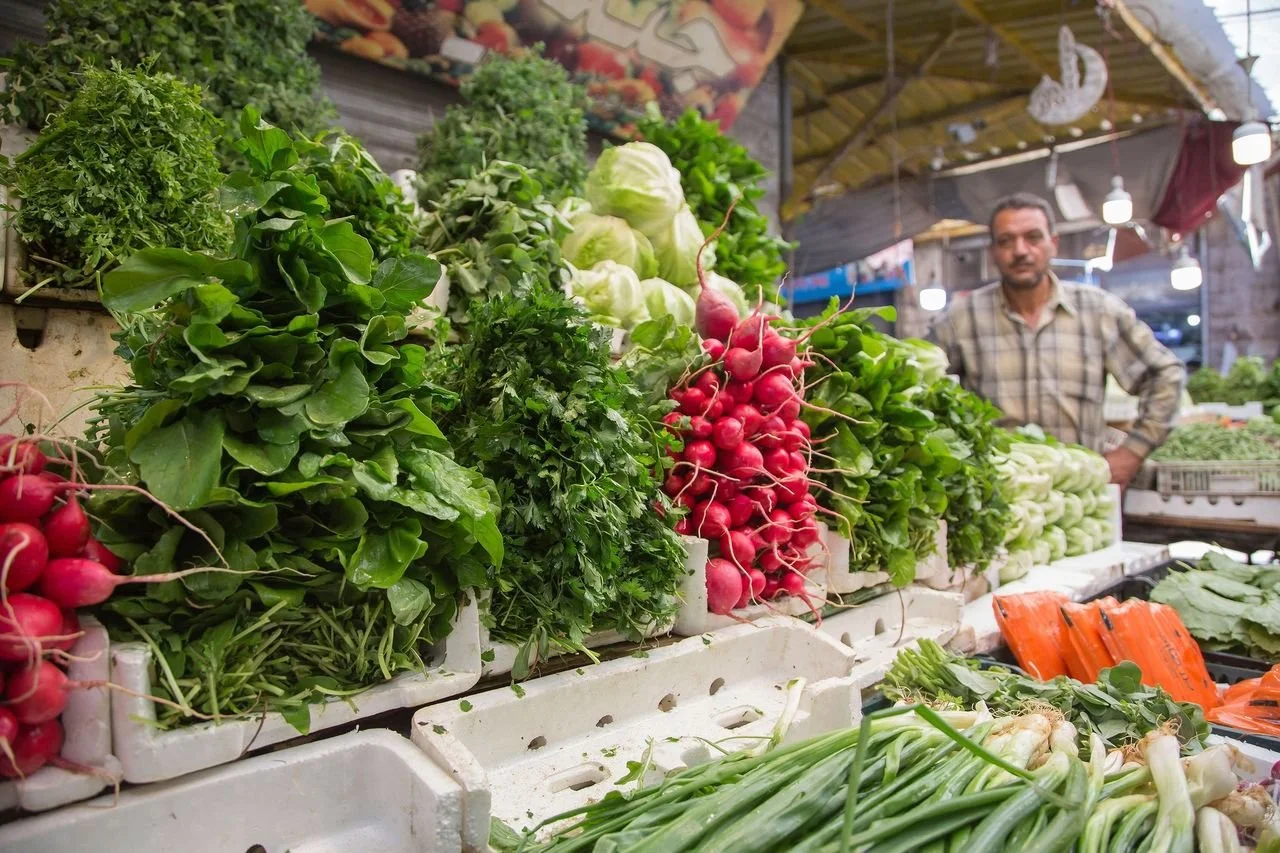
This interdependence reflects a broader regenerative logic: no ecosystem exists in isolation. Traditional markets, regional sourcing, and Indigenous ingredients all contribute to a food culture that still carries strong ties to land-based knowledge systems, even in urban environments.
Amazon: permaculture, food forests & medicinal intelligence
In the Amazon, regenerative agriculture takes the form of forest intelligence. Rather than fields, there are living ecosystems, food forests, agroforestry systems, and “chacras integrales,” where cultivation is integrated into biodiversity rather than imposed upon it.
These systems are rooted in Indigenous Amazonian knowledge, where plants are understood not only as food, but as medicine.
Permaculture principles here are not imported, they mirror existing Indigenous land practices: diversity over monoculture, reciprocity over extraction, and long-term ecological balance over short-term yield.
Medicinal plants play a central role, forming part of both healing traditions and everyday life, reflecting a worldview where health, land, and community are inseparable.
Why regenerative agriculture in Peru is fundamentally cultural
What makes Peru unique is that regenerative agriculture is not a response to crisis—it is a continuation of Indigenous knowledge systems that have always prioritized ecological balance.
Across the Andes and Amazon, agriculture is inseparable from:
Language: Quechua and Indigenous knowledge systems, where words carry ecological meaning and farming knowledge is passed through oral tradition rather than written instruction)
Spirituality: Pachamama, reciprocity, and ceremony, where the land is understood as a living being to be cared for, thanked, and kept in balance.
Medicine: Plant knowledge and healing traditions, especially in the Amazon, where biodiversity is read as pharmacy and plants are used for physical, emotional, and spiritual wellbeing)
Community: Collective land stewardship, where agriculture is shared work shaped by cooperation, seasonal cycles, and intergenerational responsibility rather than individual ownership.
This is not sustainability as a strategy. It is sustainability as worldview.
Final reflection
Regenerative agriculture in Peru is not something being introduced. It is something being remembered, protected, and continued.
From the terraces of the Andes to the living forests of the Amazon, Peru shows us that agriculture can be more than production.
Peru is not approached as a destination of observation, but as a living landscape of knowledge systems. Through partnerships such as the Kuska School, travelers are connected to environments where agriculture, education, and cultural continuity are intertwined.
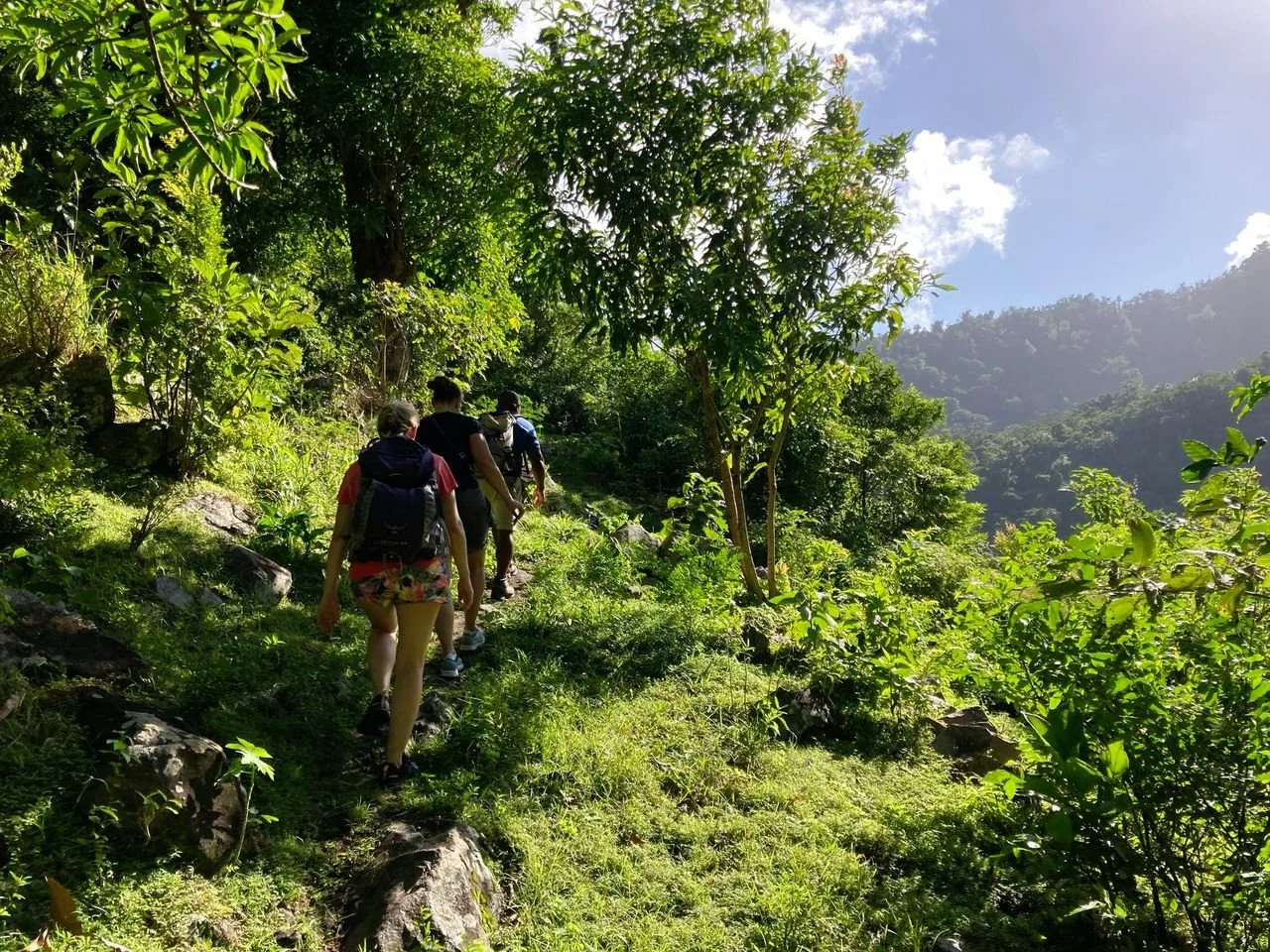
Experiences such as herb workshops, medicinal plant learning, and community-based agriculture offer a direct window into how regenerative systems function in daily life—not as theory, but as practice.
FAQ
What is regenerative agriculture in Peru? Regenerative agriculture in Peru refers to Indigenous farming systems across the Andes and Amazon that have long restored soil health, biodiversity, and ecological balance through practices like terraced cultivation, agroforestry, and reciprocity-based land stewardship — predating the modern global term.
What does "ayni" mean in Andean agriculture? Ayni is a Quechua concept of reciprocity that shapes how communities relate to the land and each other, treating farming as a relationship of mutual care rather than extraction.
How do Andean terraces support regenerative farming? Andean terraces in the Sacred Valley are climate-adapted, biodiversity-rich agricultural systems still actively cultivated today, reflecting centuries of Indigenous Quechua knowledge about seasonal cycles and ecological observation.
What is a "chacra integral" in the Amazon? A chacra integral is an Amazonian agroforestry system where cultivation is integrated into the surrounding biodiversity — combining food crops, medicinal plants, and forest ecosystems rather than relying on monoculture fields.
What is the Kuska School? The Kuska School is a project in Peru's Sacred Valley that integrates education, gardening, and agricultural learning as part of a holistic approach to cultural and environmental regeneration.
How can travelers experience regenerative agriculture in Peru? Travelers can experience regenerative agriculture in Peru through herb workshops, medicinal plant learning, and community-based agricultural experiences, such as those offered through the Kuska School partnership on a Machu Picchu itinerary.


Discover regenerative agriculture in Peru through the Andes, Sacred Valley, and Amazon rainforest. Explore Indigenous farming traditions, permaculture systems, and medicinal plant knowledge rooted in Quechua culture and ancestral wisdom.