
Beyond the Souvenir Shop: Meaningful Gifts to Bring Home From Tanzania
Written by: Sophie Echeverry
You might arrive in Tanzania thinking the only thing you're bringing home is several thousand photos of elephants.
Then you discover Maasai beadwork. Coffee grown on the slopes of Kilimanjaro. Honey from the landscapes surrounding the Serengeti. And a blue-violet gemstone found nowhere else on Earth. Suddenly, the suitcase situation becomes considerably more complicated.
However, the best gifts from Tanzania aren't simply things that look “African.” They're connected to specific people, landscapes and traditions—and buying closer to the source can help ensure more of what you spend stays with the communities behind them.
So, if you're wondering what to buy while traveling through Tanzania, here are a few things genuinely worth making room for.
Before You Shop: Bringing Home Something That Actually Supports Tanzania
Where you spend your Tanzanian shillings can become part of how you travel.
Whenever possible, buy directly from artisans, farmers, cooperatives, women-led initiatives and social enterprises. Ask who made something, where it was made and what materials were used rather than assuming that everything sold near a safari route was produced locally.
For coffee, honey, spices and other agricultural products, look for producers who can tell you where something was grown and how they work with the land. Supporting smallholder farmers and businesses using sustainable or regenerative practices can connect your purchase more directly to the landscapes you've traveled through.
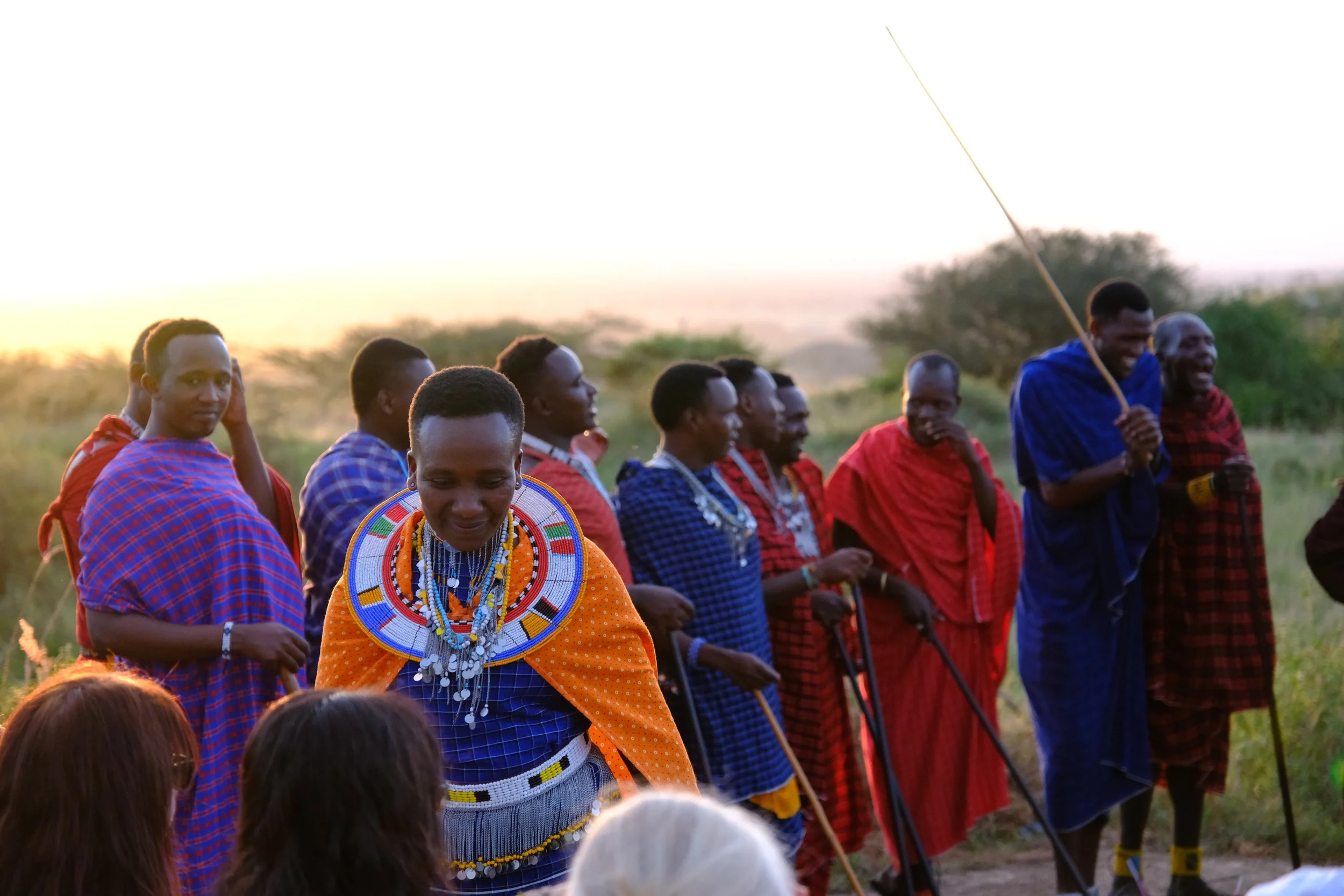
And be especially thoughtful around cultural crafts. A beaded bracelet inspired by Maasai design isn't necessarily the same as beadwork actually made by Maasai artisans. The best souvenir isn't necessarily the most traditional-looking one. It's the one whose story you can trace back to the people and place that produced it.
One More Thing Before You Fill Your Suitcase
Before buying edible gifts, check the customs and agricultural rules of the country you're traveling home to.
Meat, dairy, fresh fruits and vegetables are among the products that commonly face restrictions. Commercially packaged coffee, spices and honey may be easier to travel with, but regulations vary by destination.
And if you're considering tanzanite, keep reading. That one deserves its own conversation.
Where to Buy Authentic Tanzanian Souvenirs
Some of the best places to shop in Tanzania are the places where the products are actually made or grown. Look for artisan workshops, cooperatives, social enterprises, smallholder producers and established local businesses rather than assuming that something sold at a safari lodge or airport was produced nearby.
In Arusha, you can find social enterprises working directly with Maasai artisans; around Kilimanjaro, look for coffee that identifies its growing region or producer; and in Zanzibar, spice farms offer a chance to learn about what you're buying before you bring it home.
What to Buy in Tanzania
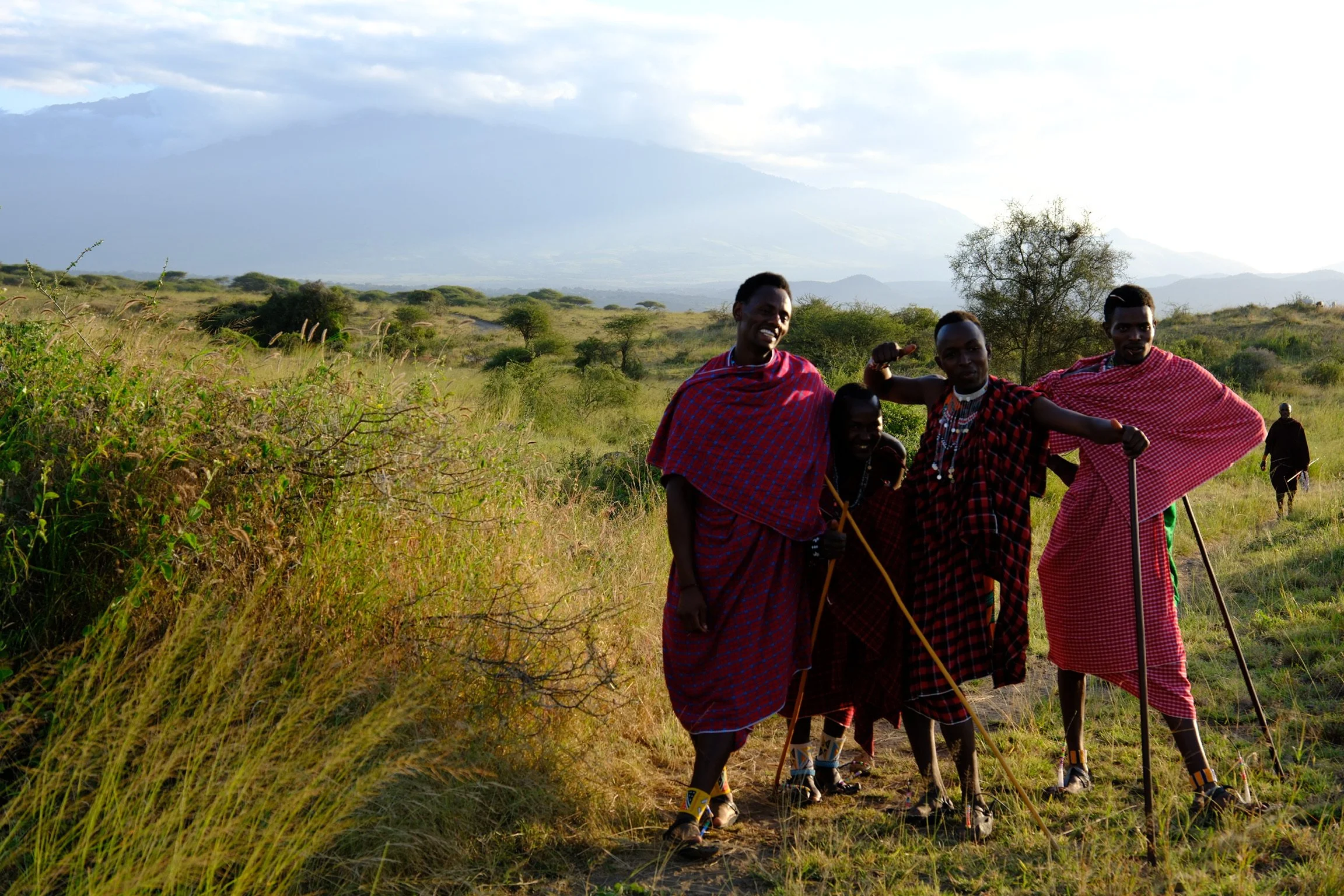
1. Maasai Beadwork
Colorful Maasai beadwork isn't simply decorative. Beading has long been an important form of artistic and cultural expression, particularly among Maasai women, with designs connected to identity and community. That makes who made your piece worth knowing.
Around Arusha, Sidai Designs works directly with Maasai women through a fair-trade social enterprise focused on preserving traditional artistry while creating income for artisans and their families.
Look for pieces where the seller can tell you who made them and how the artisans are compensated, not simply something described as “Maasai-style.”
Where to find: Around Arusha, look for social enterprises, women's artisan groups and workshops working directly with Maasai makers.
Ask: Who made this piece? Where was it made? How are the artisans compensated?
Skip: Mass-produced “Maasai-style” beadwork when the seller can't tell you anything about who actually made it.
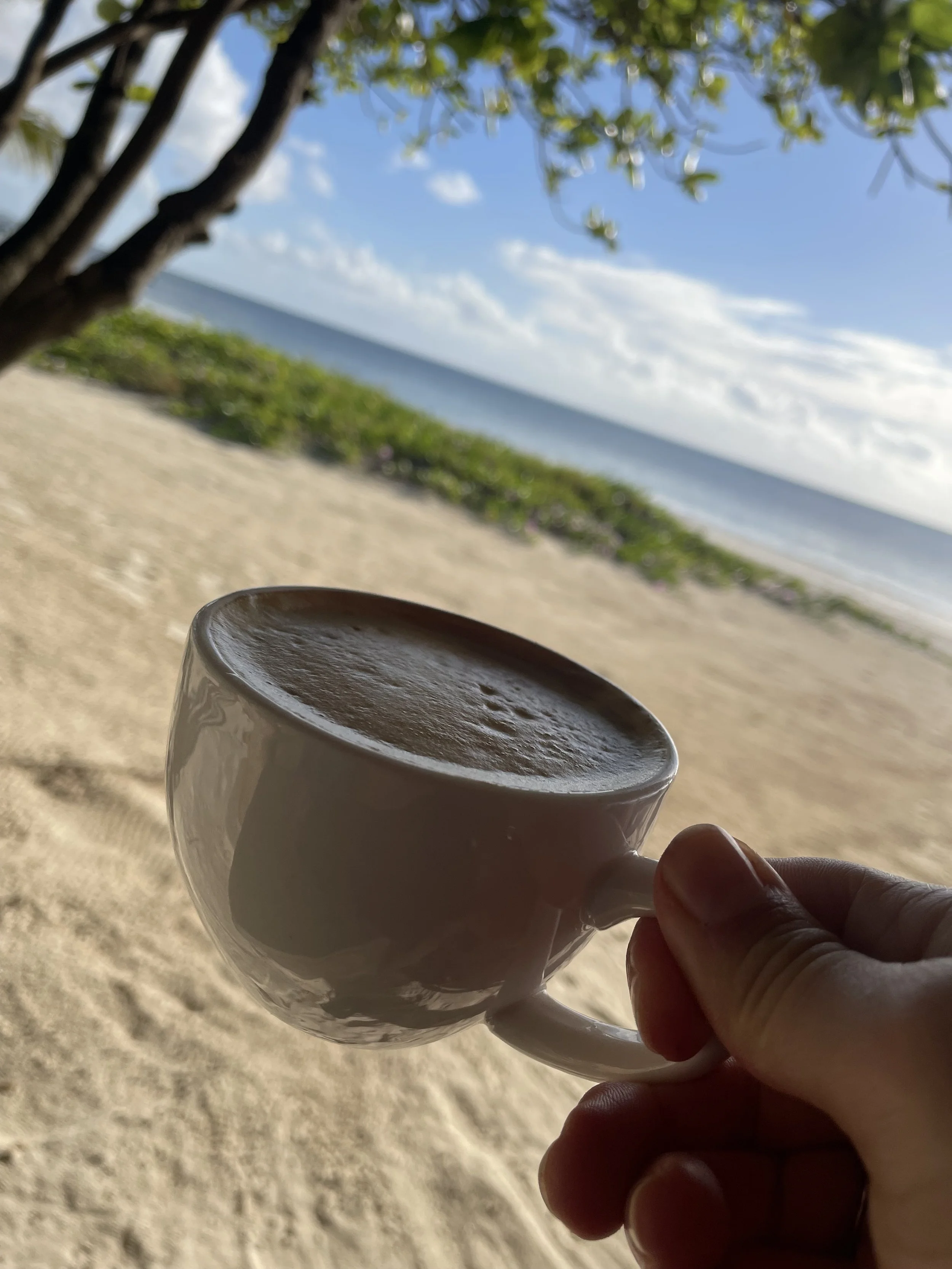
Coffee by the sea
2. Kilimanjaro Coffee
If climbing Kilimanjaro isn't enough to make you remember the mountain, perhaps your morning coffee will.
Coffee has long been grown on the fertile slopes around Kilimanjaro, often by smallholder farmers. Look for beans that identify their producer or growing region rather than a generic bag labeled “African coffee.”
One source worth knowing is Choice Coffee, a woman-owned Tanzanian roaster sourcing from smallholder farmers around Kilimanjaro and promoting sustainable practices including shade growing, composting and water conservation.
Where to find: Coffee farms, cooperatives, local roasters and specialty shops around the Kilimanjaro region and nearby Moshi.
Look for: Tanzanian-grown coffee that identifies the farm, cooperative, producer or growing region.
Ask: Where were the beans grown? Who grew them? Were they roasted in Tanzania? What farming practices does the producer use?
3. Tanzanite
This one is different.
Tanzanite is found commercially in only one place on Earth: the Merelani Hills of northern Tanzania, near Mount Kilimanjaro. Its blue-to-violet color and extraordinary geographic rarity have made it one of Tanzania's most famous exports.
Which also means buying it responsibly matters. Don't buy tanzanite from an informal vendor simply because the price seems irresistible. Ask the jeweler where the stone came from, whether it was legally sourced, what treatments it has undergone and what documentation comes with it.
And be wary of vague quality claims. You may see stones advertised as “AAA tanzanite,” but there is no standardized AAA grading system for tanzanite. GIA can issue an identification report confirming whether a stone is natural and identifying detectable treatments, but it does not assign tanzanite a quality grade.
Tanzania also regulates the export of minerals. Official Mining Commission guidance says tanzanite exports require a certificate of origin, with specific permit procedures applying to tourists and non-residents.
So this isn't the purchase to make in a hurry.
Where to find: Reputable, licensed jewelers and gemstone dealers who can explain the stone's provenance and Tanzania's current export requirements.
Look for: Clear provenance, transparent information about treatments and the appropriate documentation for legally taking the stone out of Tanzania.
Ask: Where was this stone mined? Has it been treated? What documentation comes with it? What paperwork do I need to legally take it home?
Skip: Informal sellers, suspiciously inexpensive stones, vague provenance and anyone relying on “AAA” as proof of independently verified quality.
4. Tanzanian Textiles
Tanzania is far too culturally diverse for one object to represent “Tanzanian craft.”
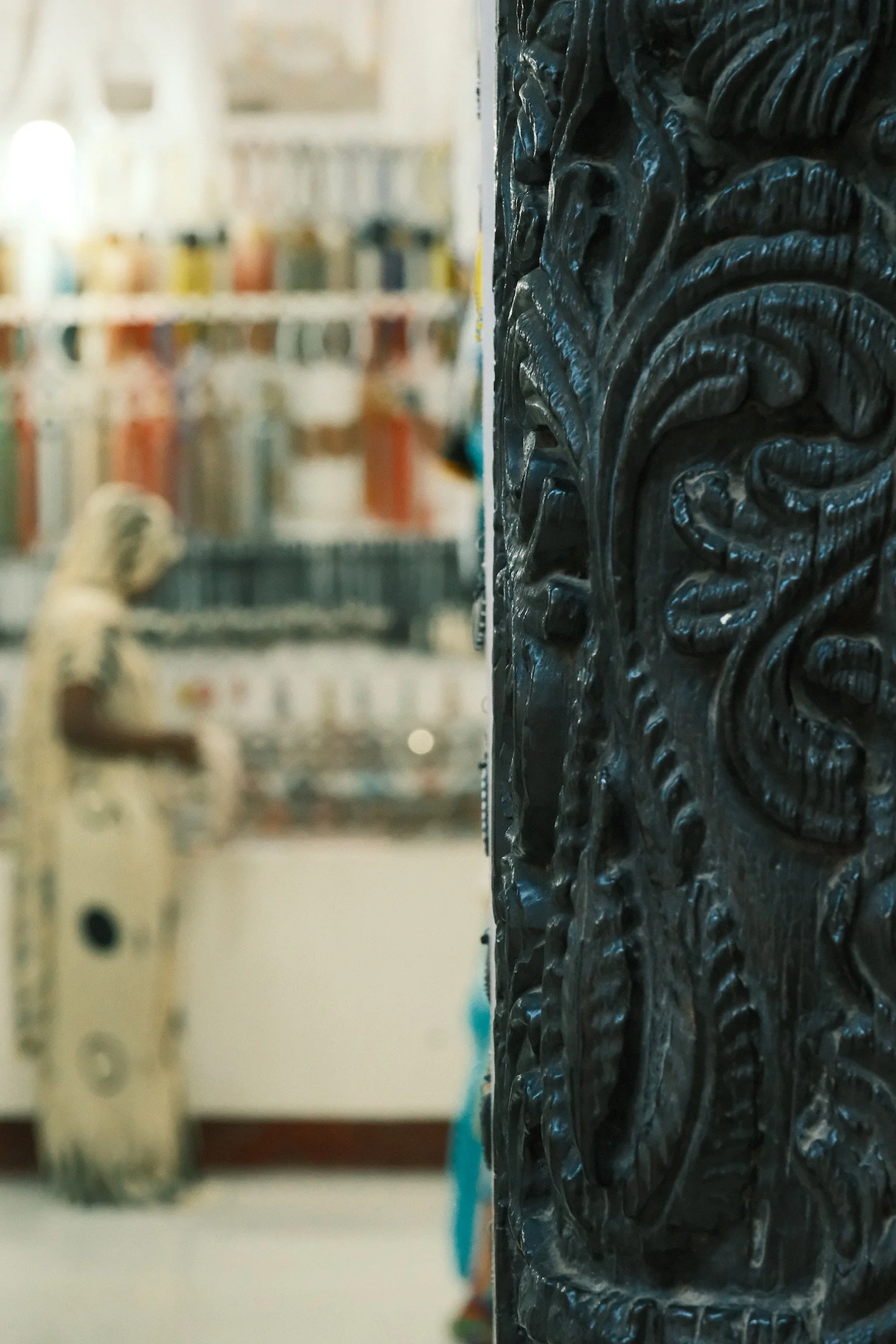
Depending on where you travel, you'll encounter weaving, woodwork, baskets, textiles, paintings and other pieces connected to different communities and regions.
Whenever possible, choose workshops, cooperatives and social enterprises where you can buy directly from the makers.
Where to find: Textile markets, independent designers, tailoring shops, artisan workshops and social enterprises in cities such as Arusha and Dar es Salaam and throughout your journey.
Look for: Pieces whose maker, tailor or textile source can be identified, especially when buying handmade clothing or accessories.
Ask: What type of textile is this? What does the writing or design mean? Was the finished piece made locally?
5. Maasai Honey
A jar of honey might not immediately scream “souvenir,” which is exactly why we like it.
Maasai Honey works with rural Tanzanian beekeepers, particularly women, providing training and equipment and purchasing honey at a fair market price. Its approach emphasizes indigenous African bees and organic, environmentally sustainable beekeeping.
Their honey and beeswax products can be found in Arusha, Ololosokwan Village and selected shops and lodges around Tanzania. Just check your home country's rules before putting honey in the suitcase.
Where to find: Beekeeping initiatives, community producers, local shops and social enterprises around northern Tanzania. Buying directly from a producer or beekeeping project gives you the best opportunity to understand where the honey came from.
Ask: Where are the hives? Who produced the honey? How does the beekeeping project work with local communities and the surrounding environment?
Skip: Generic honey with no information about where it was produced when locally traceable options are available.
6. Spices From Zanzibar
If your Tanzania journey includes Zanzibar, make room for spices.
Cloves, cinnamon, vanilla, nutmeg, ginger and cardamom are among the crops you'll encounter on the islands, whose history has long been intertwined with the spice trade.
The best way to shop? Get closer to where they're grown. A spice farm visit lets you see the plants, meet growers and understand how spices are cultivated before buying them. Zanzibar's tourism authority specifically notes that visitors can purchase spices during these farm experiences, which are visits we love to include in all our trips.
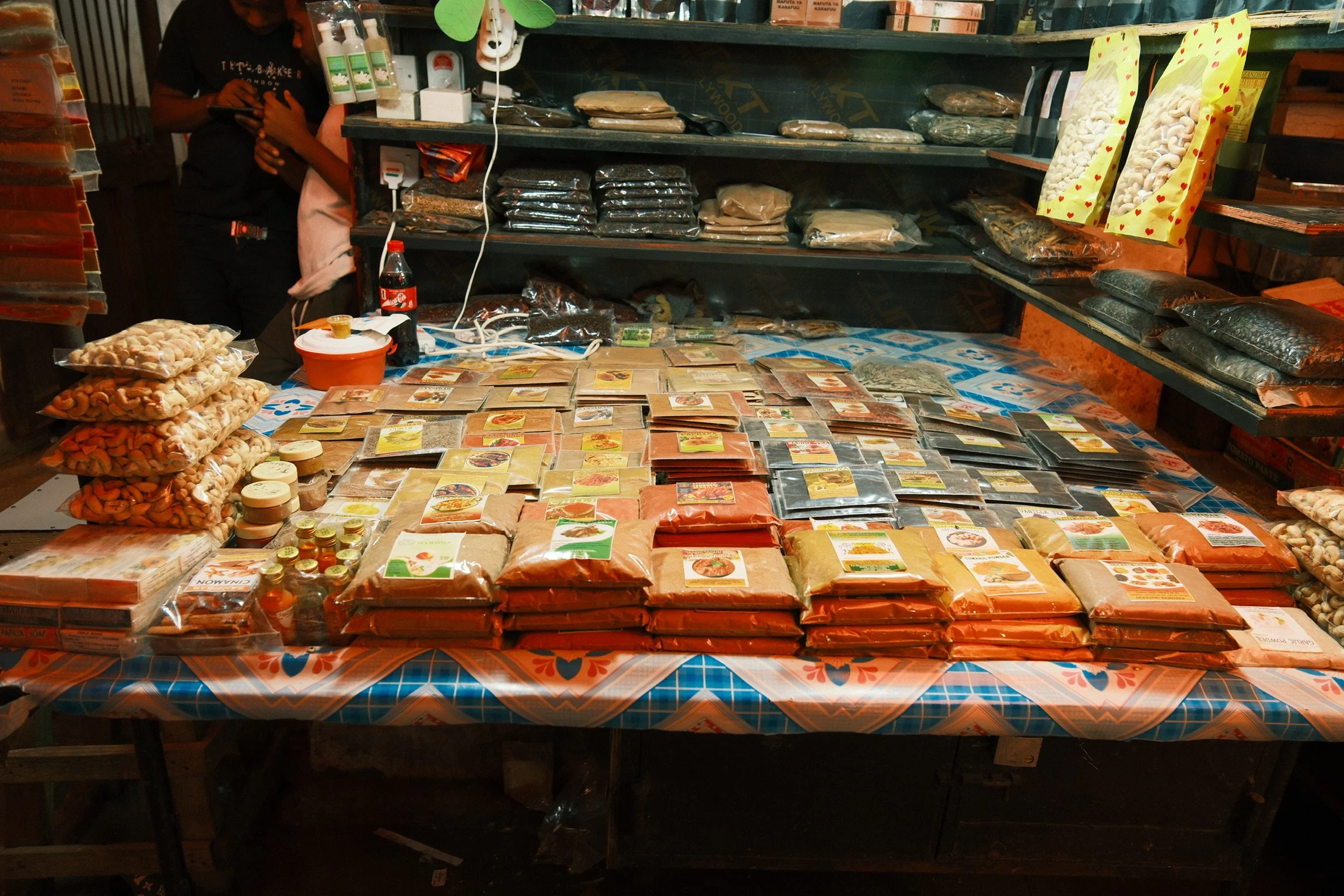
Much more interesting than grabbing an anonymous packet at the airport.
Where to find: Spice farms and local producers in Zanzibar, where you can often purchase spices as part of a farm visit.
Look for: Locally grown spices where the farm or producer can tell you how and where they were cultivated.
Skip: Anonymous spice packets when you have the opportunity to buy directly from the people growing them.
7. Handmade Baskets & Weaving
Some of the easiest crafts to actually use once you're home are woven baskets, bowls and other pieces made from locally available plant fibers.
Basket weaving is practiced by communities across Tanzania, so rather than treating every woven piece as belonging to one single “Tanzanian tradition,” pay attention to where it was made, who made it and what materials were used. Techniques, patterns and fibers can vary between regions and communities.
Where to find: Artisan cooperatives, women's groups, community workshops and local markets throughout Tanzania.
Ask: Who wove this? Where was it made? What plant or fiber was used?
Skip: Mass-produced pieces marketed vaguely as “African baskets” when the seller can't identify where they came from.
Beyond the Souvenir
The best thing you bring home from Tanzania probably won't be the thing with “Tanzania” written across it.
It might be the coffee you brew months later and remember seeing Kilimanjaro rise above the landscape. The bracelet whose maker you actually learned about. The jar of honey that connects back to a beekeeper and the ecosystem her bees depend on. Or perhaps a tiny blue-violet stone formed in the only place on Earth where it occurs.
When you understand what something is, why it's special here and who is behind it, your souvenir carries a little more of the journey home with you.
And that's the whole point of going beyond the souvenir shop.
Want to Discover the Places Behind the Gifts?
Tanzania isn't one experience, and neither are our journeys there.
Climb toward the roof of Africa, explore the Great Rift Valley, head out on safari or slow everything down with a safari and yoga retreat surrounded by extraordinary landscapes and people.
Whichever Tanzania you choose, leave a little room in the suitcase ;)
more blogs like this
faqs
-
Some of the best Tanzania souvenirs are Maasai beadwork, Kilimanjaro coffee, tanzanite, Tanzanian honey, Zanzibar spices and locally made crafts and textiles. Look for products with a clear connection to their makers or growing regions.
-
Look for artisan workshops, cooperatives, social enterprises, smallholder producers and reputable local businesses where sellers can explain who made or produced the item and where it came from. In particular, Arusha, the Kilimanjaro region and Zanzibar offer opportunities to buy closer to the source.
-
Buy from a reputable, licensed jeweler or gemstone dealer rather than an informal seller. Ask about the stone's provenance, treatments and accompanying documentation. Independent gemological identification can provide additional assurance about whether a stone is natural and whether detectable treatments are present.
-
Yes, commercially significant tanzanite is associated with the Merelani area of northern Tanzania.
-
Tanzania is especially known for tanzanite, Maasai beadwork, coffee, spices from Zanzibar, honey, textiles and locally made handicrafts. The most meaningful choices are those you can trace to a specific maker, producer, community or region.
-
Arusha is a good place to look for Maasai beadwork, locally made crafts, coffee and other products connected to northern Tanzania. When shopping, ask whether an item was actually made locally rather than simply marketed as Tanzanian.
-
Tanzanite is commercially mined in northern Tanzania's Merelani Hills, making it one of the world's most geographically distinctive gemstones. Because of its rarity and value, buy from a reputable seller and ask about provenance, treatments and documentation.
-
The safest approach is to buy from a reputable jeweler and request appropriate documentation rather than relying on appearance alone. Ask about whether the stone is natural, any detectable treatments and its origin.
-
Maasai beadwork is a traditional form of artistic and cultural expression associated particularly with Maasai women. When purchasing it, look for pieces made by Maasai artisans rather than mass-produced products described only as “Maasai-style.”
-
Often, but rules depend on your destination. Commercially packaged coffee and spices are generally easier to transport than fresh agricultural products, while honey and other animal-derived products may have additional restrictions. Check your home country's current customs and agricultural regulations before traveling.
-
Avoid products made from protected wildlife, animal parts or materials whose legality or provenance you cannot establish, as well as archaeological or cultural objects that may be illegally exported. Also be cautious of crafts marketed as locally made when the seller cannot explain where or by whom they were produced.



Looking for meaningful Tanzania gift ideas? Discover what to bring home, from Maasai beadwork and Kilimanjaro coffee to tanzanite, honey and Zanzibar spices.